Southeast Asia's Ceasefire Calculus: Stability vs. Enduring Tensions
हिंदी में सुनें
Listen to this article in Hindi
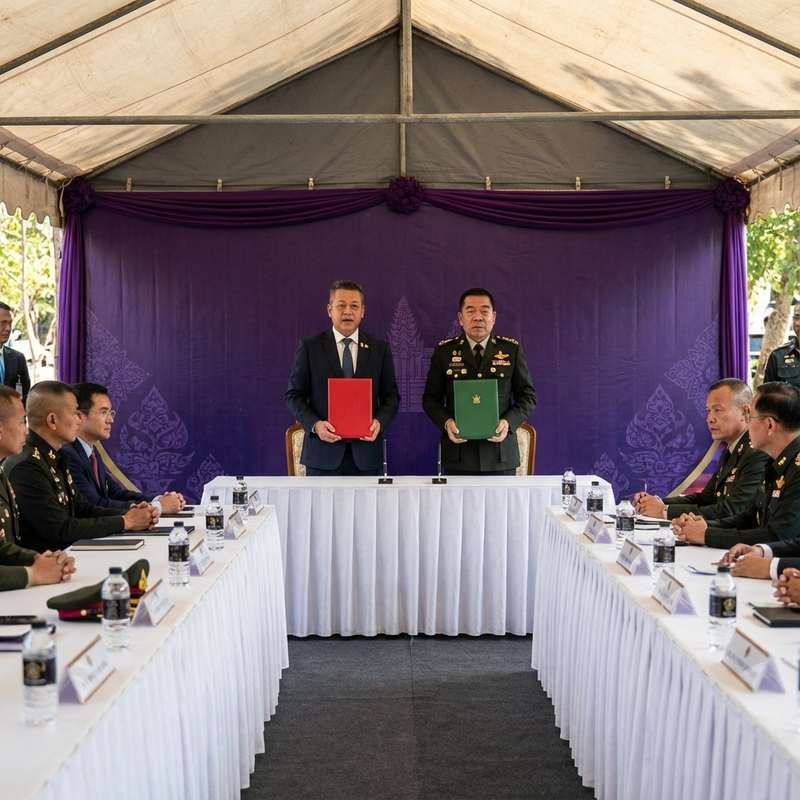
A ceasefire between Thailand and Cambodia highlights the complex interplay of territorial disputes, regional power dynamics, and the enduring challenge of stability in Southeast Asia.
Southeast Asia's strategic significance stems from its geography: a crucial maritime crossroads and a land bridge connecting the Indian and Pacific Oceans. That said, the reality is a bit more complicated. this region is also characterized by a complex web of historical grievances, overlapping territorial claims, and uneven economic development, frequently leading to localized conflicts that carry broader geopolitical implications. The recent ceasefire agreement between Thailand and Cambodia, while seemingly a step toward de-escalation, must be viewed within this context of enduring underlying tensions and the limitations of external mediation.
The Thailand-Cambodia border dispute, centered on the Preah Vihear temple and surrounding areas, is symptomatic of the region's broader challenges. These border disagreements are not merely about land; they are intertwined with national identity, historical narratives, and access to resources. The frequency with which ceasefires are declared and then partially or fully violated points to the deep-seated mistrust and the difficulty in achieving lasting peace. The role of external actors, such as Malaysia and the United States, while intended to be constructive, highlights the limitations of outside influence in resolving conflicts rooted in local dynamics. These are important elements of world affairs background for context.
The agreement's call for joint demining operations and the suppression of transnational crime, particularly online scams, reveals the practical challenges of maintaining stability in the region. The presence of landmines, a legacy of past conflicts, poses an ongoing threat to civilian populations and hinders economic development. The rise of online scam operations, often based in areas with weak governance, underscores the need for greater regional cooperation in addressing transnational crime. These issues require not only bilateral agreements but also coordinated efforts within the framework of ASEAN, the Association of Southeast Asian Nations, to be effective.
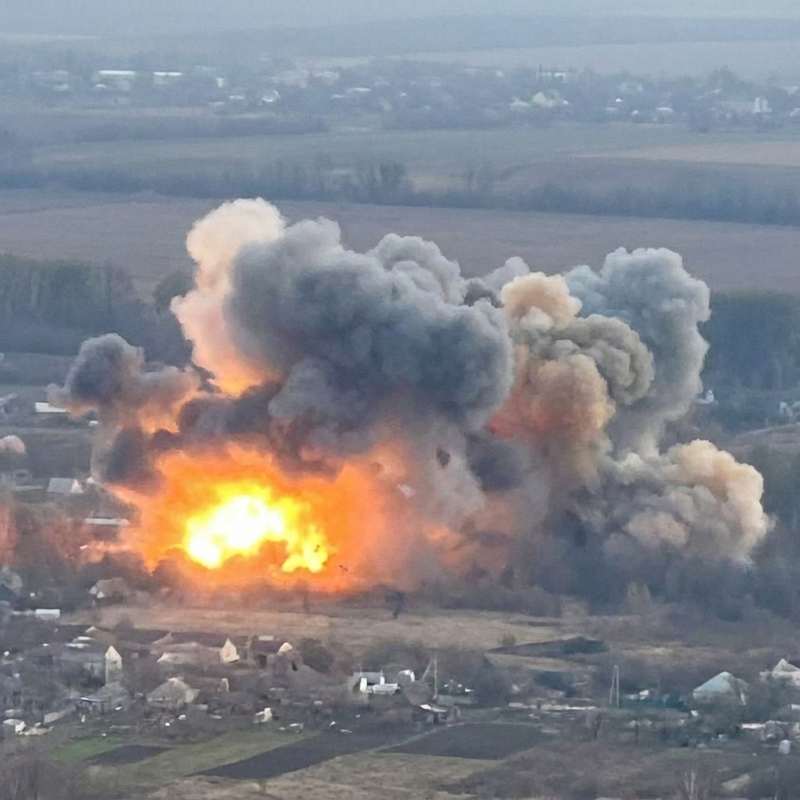
The fragility of the ceasefire is further underscored by the continued accusations and counter-accusations between the two countries. Thailand's emphasis on Cambodia demonstrating a genuine commitment to peace highlights the lack of trust and the potential for future flare-ups. The agreement's success hinges on the willingness of both sides to implement the agreed-upon measures in good faith, which remains uncertain given the history of broken ceasefires and ongoing propaganda wars. The risk of escalation is ever present, potentially destabilizing the wider region and drawing in other actors.
The internal political dynamics of both Thailand and Cambodia also play a role in shaping their approach to the border dispute. Domestic political considerations, such as nationalist sentiment and the need to maintain popular support, can influence government policies and limit the scope for compromise. Furthermore, the involvement of the military in both countries adds another layer of complexity, as military leaders may have their own interests and priorities that do not always align with those of civilian leaders. Understanding these power dynamics is essential for assessing the long-term prospects for peace.
While the ceasefire agreement represents a positive step, its long-term success is far from guaranteed. The underlying tensions, the limitations of external mediation, and the internal political dynamics of both countries all pose significant challenges. Sustained dialogue, confidence-building measures, and a genuine commitment to addressing the root causes of the conflict are essential for achieving lasting stability in this strategically important region. For a deeper dive, explore India's global position and its relationship with Southeast Asia. The international community should carefully monitor the situation and support efforts to promote peaceful resolution of the dispute, recognizing that stability in Southeast Asia is vital for regional and global security.
Editor’s note: This article was independently written by the Scoopliner Editorial Team using publicly available information.