Southeast Asia's Border Conflicts: A Litmus Test for Regional Stability
हिंदी में सुनें
Listen to this article in Hindi
The Thailand-Cambodia border conflict highlights the fragility of Southeast Asian stability amidst undefined borders, resource competition, and great power influence.
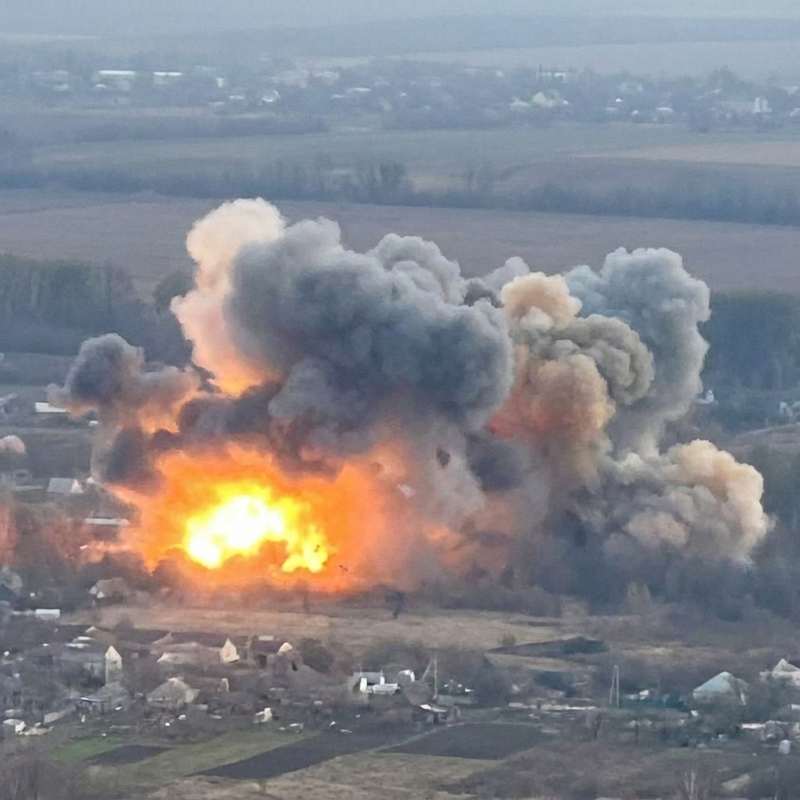
The recurring tensions along the Thailand-Cambodia border, punctuated by recent military clashes, serve as a stark reminder of the unresolved territorial disputes that continue to simmer within Southeast Asia. While a newly brokered cease-fire offers a temporary respite, the underlying issues driving this conflict – undefined borders, competition for resources, and external power plays – pose a significant challenge to regional stability. This situation is not unique; numerous other Southeast Asian nations grapple with similar border disagreements, making the management of this conflict a critical test case for the Association of Southeast Asian Nations (ASEAN) and its commitment to peaceful resolution.
At the heart of the Thailand-Cambodia dispute lies the ambiguity surrounding their shared border, particularly in the vicinity of the Preah Vihear temple. This ambiguity provides fertile ground for nationalist sentiments and localized conflicts to escalate rapidly, drawing in the respective militaries. Beyond the immediate territorial claims, the area is also believed to hold valuable natural resources, further incentivizing both sides to assert their control. The frequency with which ceasefires are agreed and then broken underscores the depth of mutual distrust and the entrenched positions of both governments. This distrust is compounded by historical grievances and nationalist narratives, making a lasting resolution exceedingly difficult.
The involvement of external powers, namely the United States and China, adds another layer of complexity. Both nations have expressed concern over the escalating violence and have offered to mediate a solution. That said, the reality is a bit more complicated. their engagement is not purely altruistic. Southeast Asia is a crucial geopolitical battleground, and both the US and China are vying for influence in the region. The United States, traditionally a key security partner for Thailand, seeks to maintain its presence and counter China's growing economic and political clout. China, on the other hand, has invested heavily in Cambodia, providing significant economic assistance and military support. This competition for influence can inadvertently exacerbate existing tensions, as both Thailand and Cambodia may seek to leverage external support to bolster their positions.
ASEAN's role in managing the conflict is critical. The organization's principle of non-interference in the internal affairs of member states has often been cited as a constraint on its ability to effectively mediate disputes. That said, the reality is a bit more complicated. the Thailand-Cambodia border conflict presents an opportunity for ASEAN to demonstrate its relevance and commitment to regional stability. A failure to do so could undermine ASEAN's credibility and embolden other member states to pursue unilateral actions in resolving their own territorial disputes. ASEAN's established mechanisms for conflict resolution and preventative diplomacy must be leveraged to foster dialogue and confidence-building measures between Thailand and Cambodia.
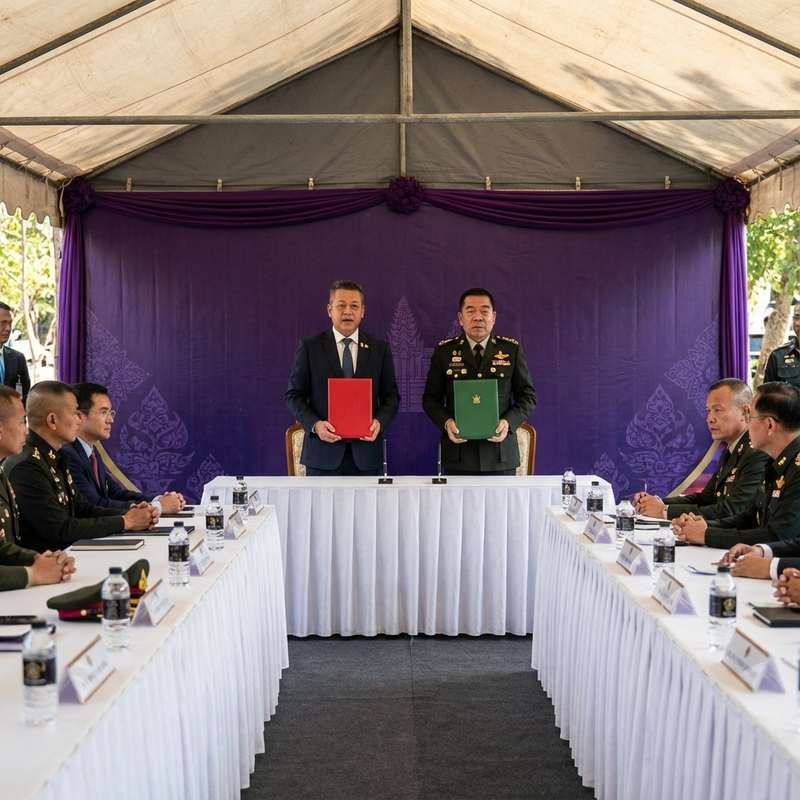
Looking ahead, the success of the current cease-fire hinges on the willingness of both Thailand and Cambodia to engage in meaningful negotiations aimed at demarcating the disputed border areas. This will require political will and a commitment to compromise on both sides. Furthermore, addressing the underlying economic drivers of the conflict, such as equitable access to natural resources, is essential for achieving a sustainable peace. The involvement of international observers and technical experts could help to facilitate the demarcation process and ensure that it is conducted in a transparent and impartial manner. The long-term stability of the region depends on the ability of Thailand and Cambodia to transform their border from a source of conflict into a zone of cooperation and shared prosperity. The complex interplay of regional power dynamics and long-standing disagreements necessitates a measured and multifaceted approach to conflict resolution. For additional background on ASEAN's role in the region, see this analysis. Understanding India's global position offers a comparative perspective on external influence in Southeast Asia.
Ultimately, the Thailand-Cambodia border conflict is a microcosm of the broader challenges facing Southeast Asia. Its resolution, or lack thereof, will have far-reaching implications for regional security and the credibility of ASEAN. A sustained effort towards peaceful dialogue and compromise is crucial to preventing future outbreaks of violence and fostering a more stable and prosperous region. The current ceasefire represents a chance to create that lasting peace; to waste this chance would do great harm to both nations involved.
Editor’s note: This article was independently written by the Scoopliner Editorial Team using publicly available information.