Respiratory Virus Surges: Understanding the Strain on Hospital Capacity
हिंदी में सुनें
Listen to this article in Hindi
An analysis of recent hospital visitor restrictions implemented due to a surge in respiratory illnesses, exploring the broader implications for public health and hospital capacity.
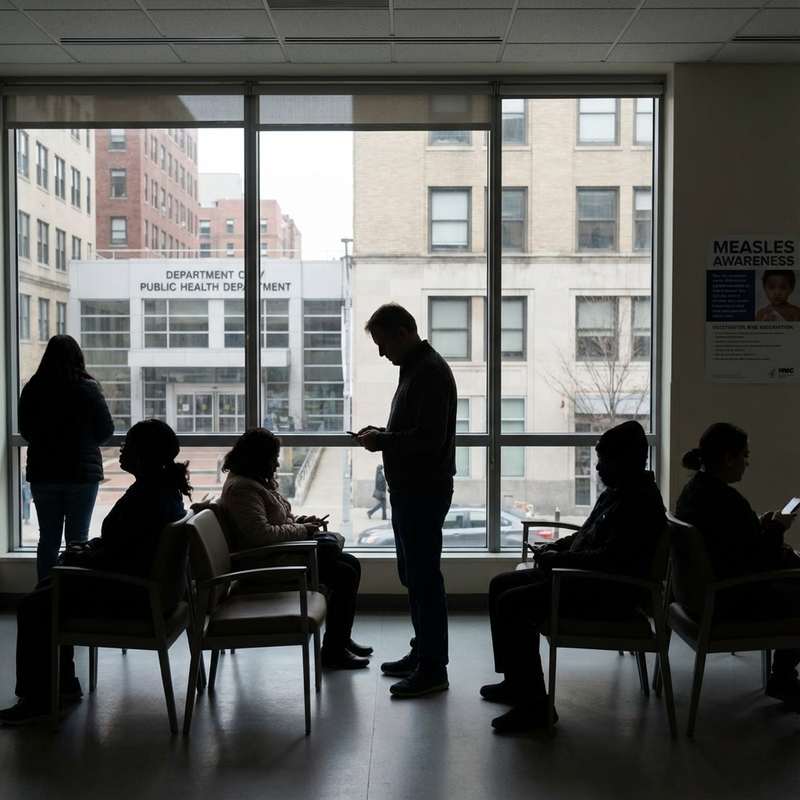
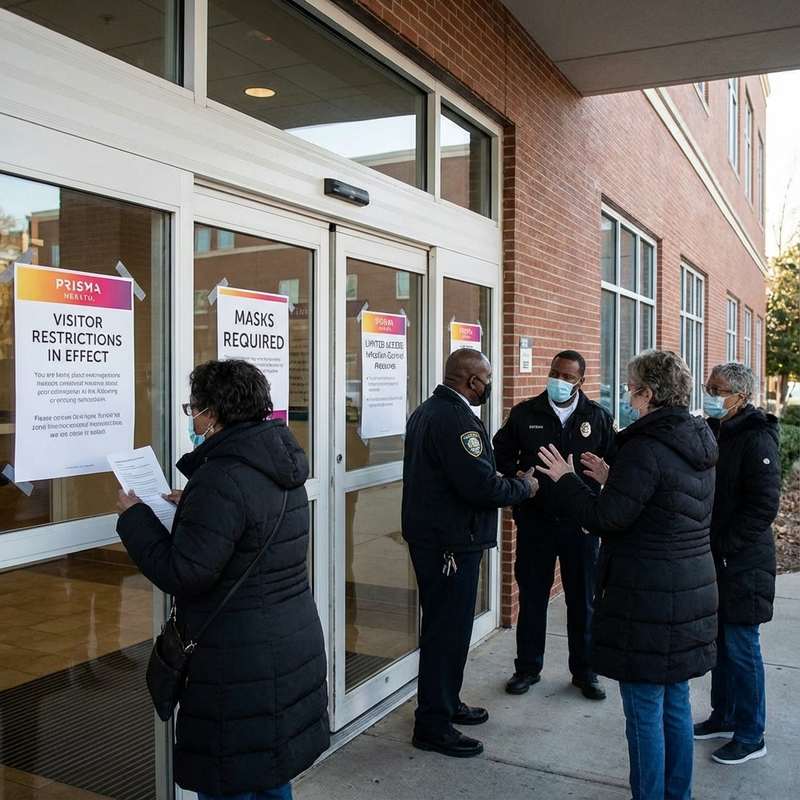
The recent implementation of temporary visitor restrictions across multiple hospitals in the Miami Valley region highlights a critical pressure point within the public health infrastructure: the capacity of healthcare systems to manage surges in respiratory illnesses. These restrictions, prompted by higher-than-normal patient volumes with influenza, COVID-19, and other seasonal viruses, represent a reactive measure to protect both patients and healthcare workers. Examining these events offers an opportunity to understand the systemic challenges and potential long-term implications for public health strategies.
The decision to limit visitors, particularly those with respiratory symptoms or those under the age of 14, underscores the contagious nature of these illnesses and the vulnerability of hospital environments. Hospitals serve as concentrated settings for individuals with compromised immune systems, making them potential epicenters for the rapid spread of infection. Visitor restrictions aim to mitigate this risk by reducing the introduction of new pathogens and minimizing the potential for nosocomial, or hospital-acquired, infections. These measures are not novel; similar strategies were widely employed during the peak of the COVID-19 pandemic and during severe influenza seasons.
That said, the reality is a bit more complicated. such restrictions are not without consequences. They can impact patient morale and psychological well-being, as social support from family and friends is a crucial component of the healing process. Furthermore, visitor limitations can place additional strain on hospital staff, who may need to provide increased emotional support and assistance to patients who would otherwise rely on their visitors. The ethical considerations of balancing infection control with patient welfare are complex and require careful consideration.
The Greater Dayton Area Hospital Association's (GDAHA) coordinated response suggests a regional awareness of the strain on hospital resources. The ability of hospitals to handle surges in patient volume is a critical indicator of a healthcare system's resilience. When hospitals operate at or near full capacity, it can lead to longer wait times, delays in treatment, and potentially compromised patient care. Understanding hospital capacity and [public health context](https://www.scoopliner.com/public-health-context) is thus essential for effective public health planning.
The cyclical nature of respiratory virus seasons means that healthcare systems must proactively prepare for these predictable surges. This includes strategies such as increasing staffing levels, ensuring adequate supplies of personal protective equipment (PPE), and implementing robust infection control protocols. Furthermore, public health campaigns promoting vaccination and other preventive measures, such as hand hygiene and respiratory etiquette, can play a significant role in reducing the burden of these illnesses on hospitals. Examining the transmission of [disease or system explainer](https://www.scoopliner.com/disease-system-explainer) can allow for proactive prevention.
The temporary nature of the visitor restrictions, with regular reviews planned, indicates an adaptive approach. This flexibility is important because the epidemiology of respiratory viruses can change rapidly, influenced by factors such as viral mutations, vaccination rates, and population immunity. Continuous monitoring of infection rates and hospital capacity is necessary to inform appropriate public health interventions.
It is also important to acknowledge the limitations of visitor restrictions as a sole strategy for managing respiratory illness surges. While they can help reduce the risk of infection within hospitals, they do not address the underlying factors contributing to the increased patient volume. These factors may include broader public health trends, socioeconomic disparities in access to healthcare, and the prevalence of underlying health conditions that increase susceptibility to severe respiratory illness. Furthermore, the effectiveness of visitor restrictions depends on consistent enforcement and adherence by both hospital staff and the public.
Ultimately, the implementation of visitor restrictions serves as a reminder of the ongoing challenges posed by respiratory illnesses and the importance of a comprehensive, system-level approach to public health preparedness. Understanding the factors that contribute to hospital capacity strain, coupled with proactive prevention strategies and adaptive response measures, is essential for ensuring the continued delivery of high-quality healthcare during periods of increased demand. Monitoring of [government or WHO-style overview (internal)](https://www.scoopliner.com/government-who-overview) can inform more policy decisions.
Editor’s note: This article was independently written by the Scoopliner Editorial Team using publicly available information.