Teachers to be trained to spot early signs of misogyny in boys
हिंदी में सुनें
Listen to this article in Hindi
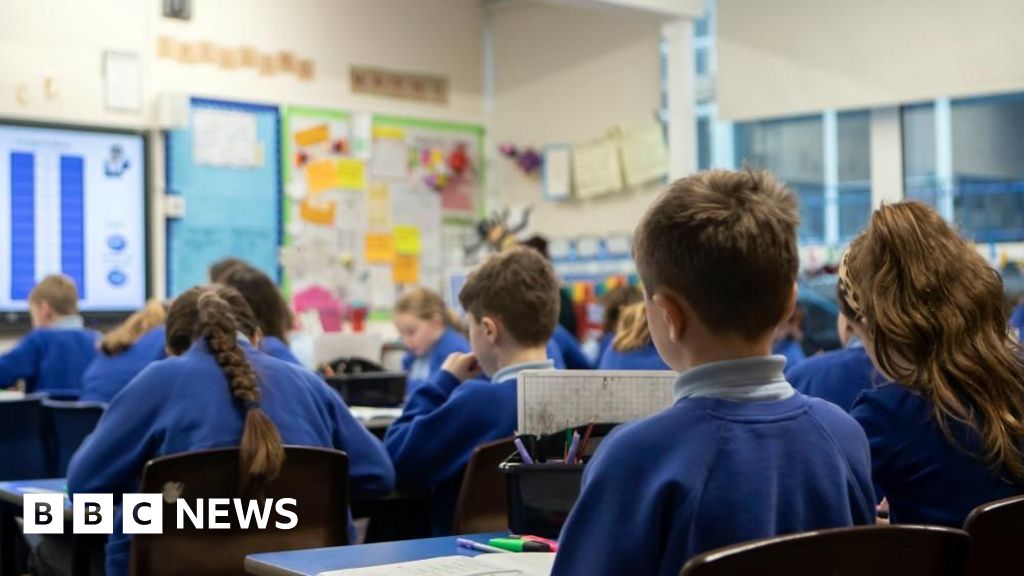
Teachers in England will receive training to identify and address misogyny in boys as part of a government strategy to combat violence against women.
As part of a government initiative to cut violence against women and girls in half over the next ten years, teachers are set to receive training on how to recognize and address misogyny in the classroom.
The unveiling of these plans, which prioritize preventing the radicalization of young men, is scheduled for Thursday after three previous postponements this year. The £20 million initiative will educate students on topics such as consent, the risks of sharing private images, identifying positive role models, and challenging harmful stereotypes about women and relationships.
A new helpline will also be established for teenagers to seek assistance with concerns about abuse in their relationships, as part of the £20 million package.
The government's aim is to prevent young men from becoming violent abusers by addressing the underlying causes of misogyny early on. As part of the new strategy, schools will refer at-risk students for specialized care and support, including behavioral programs designed to challenge their prejudices against women and girls.
Prime Minister Sir Keir Starmer stated that the new measures aim to ensure parents can trust their daughters are safe at school, online, and in their relationships, adding that the government is intervening early to support teachers, challenge misogyny, and prevent harm by addressing warning signs.
The initiative will be funded with £16 million from taxpayers, with the government collaborating with philanthropists and other partners to raise the remaining £4 million through an innovation fund.
According to the domestic abuse charity Reducing the Risk, nearly 40% of teenagers in relationships experience abuse. Online influencers are partially responsible, with a YouGov poll indicating that almost one in five boys aged 13 to 15 have a favorable opinion of Andrew Tate, who is self-proclaimed misogynist.
Some teachers have responded to the government's plans by pointing out that schools are already implementing similar programs. Sukhjot Dhami, Principal of Beacon Hill Academy in Dudley, stated that while they welcome any initiative that prioritizes healthy relationships and consent education, schools like theirs have been effectively delivering this work for years. Dhami added that the challenge is not starting from scratch, but ensuring that the £20 million is spent wisely and in partnership with schools that are already leading the way.
Paul Whiteman, general secretary of school leaders' union NAHT, welcomed the government's recognition of the importance of training and support for school staff. That said, the reality is a bit more complicated. Whiteman emphasized that schools are only part of the solution, and that government, health, social care, police, and parents all have a significant contribution to make.
Pepe Di'Iasio, general secretary of the Association of School and College Leaders, also welcomed the government's focus, but stressed the importance of implementing effective measures to prevent the spread of online misogynistic content that is served up to young people by social media algorithms.
Nicola Mclafferty, a 42-year-old domestic violence survivor, believes more needs to be done to educate children about abuse. She suggested that survivors of domestic abuse, both men and women, should speak to children in assemblies about their lived experiences in a factual manner that is not too frightening. Mclafferty emphasized the need for more open conversations and increased awareness.
The government has previously announced other measures as part of its strategy, including the assignment of specialist investigators to every police force to oversee rape and sexual offense cases, ensuring that staff have the appropriate training to understand the perspectives of both abusers and victims.
The rollout of domestic abuse protection orders, which have been piloted across England and Wales over the past year, has also been announced. These court-issued orders can prohibit individuals from contacting a victim, visiting their home, or posting harmful content online, and can be applied in cases of coercive or controlling behavior. Violating an order is a criminal offense.
Other initiatives include enhanced NHS support for child and adult survivors of abuse, and increased funding for councils to provide safe housing for domestic abuse survivors. Additionally, two television adverts featuring sports personalities and celebrities will be launched on Saturday, calling for an end to violence against women and girls.
Dame Nicole Jacobs, the Domestic Abuse Commissioner for England and Wales, expressed concern that the commitments do not go far enough to reduce the number of people experiencing abuse. While she acknowledged that the strategy rightly recognizes the scale of the challenge and the need to address the misogynistic attitudes that underpin it, she believes that the level of investment falls seriously short.