The Need for Balance: Taufel's Perspective on Cricket Regulations
हिंदी में सुनें
Listen to this article in Hindi
Simon Taufel discusses the need for balanced regulations in cricket, focusing on the Impact Player rule and officiating in the UAE.
In an insightful interview, former international umpire Simon Taufel has voiced concerns regarding the current rules in cricket, particularly those affecting the balance between bat and ball. His critique of the Impact Player rule and strategic breaks offers a glimpse into the evolving landscape of cricket, especially in T20 formats. Taufel argues that a more equitable distribution of overs among bowlers is necessary, especially when a single batter can dominate the game for an extended period. By suggesting that allowing one bowler to bowl five overs could restore some of that balance, Taufel highlights an important aspect of the game's dynamics.
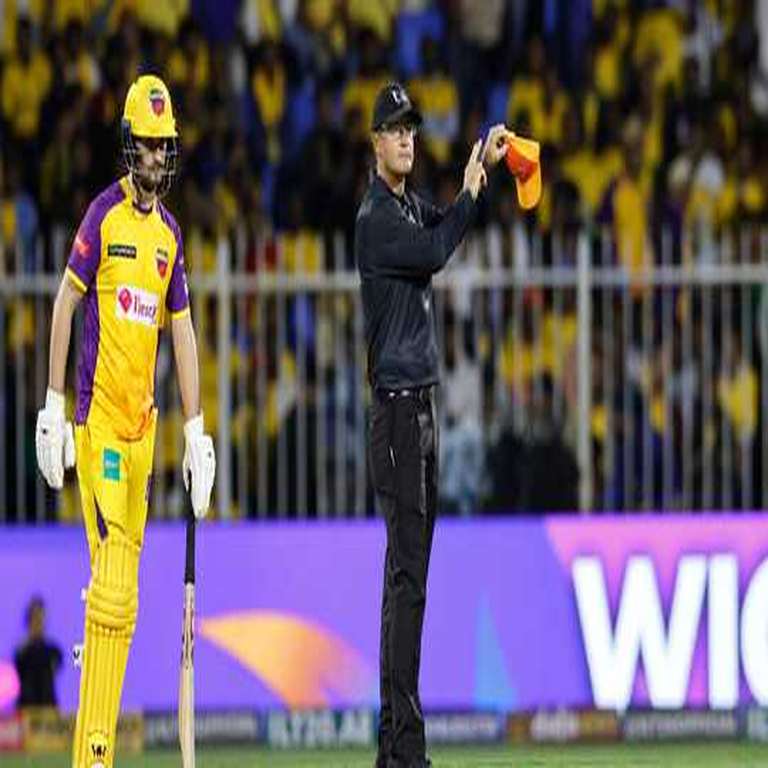
The context of Taufel's comments comes amid cricket's growth in the UAE, where significant investments in infrastructure and development are evident. The ICC Academy and other facilities in the region are set to nurture not just players, but also umpires and officials. Taufel’s role as the head of match officials in the ILT20 positions him as a critical figure in this developmental process. He notes a significant gap in officiating expertise within the Emirates Cricket Board, emphasizing the need for international knowledge transfer to elevate the standards of officiating in the region.
Taufel's advocacy for the return of the umpire soft signal is another focal point of his analysis. This rule, which allows umpires to provide input on potentially contentious decisions, could enhance the quality of officiating and the overall integrity of the game. The absence of such a mechanism in certain formats may lead to increased scrutiny of umpiring decisions and further calls for reform. In T20 cricket, where split-second decisions can shift the momentum dramatically, the role of the umpire becomes even more critical.
Moreover, Taufel's perspectives align with broader discussions within the cricketing community about how to maintain competitiveness across formats. His observation that the UAE's cricketing infrastructure is expanding, coupled with a strategic partnership with Saudi Arabia to promote cricket in the Gulf, suggests a regional commitment to elevating the sport. That said, the reality is a bit more complicated. without adequate officiating support and a focus on balanced playing conditions, the growth may face significant challenges.
As cricket evolves, particularly in T20 leagues, the implications of modifying rules such as the Impact Player could have far-reaching effects on team strategies and match outcomes. Taufel’s insights serve as a reminder that while batting prowess is celebrated, the integrity of the game hinges on an equitable balance between bat and ball.
Looking ahead, the outcomes of these discussions and potential rule changes will likely influence how teams prepare and strategize in tournaments. The cricketing fraternity must consider the long-term effects of these regulations on the game’s evolution, especially in emerging markets like the UAE. Taufel’s assertions call for a collective effort to ensure cricket remains both competitive and fair, maintaining its appeal to players and fans alike.
Editor's note: This article was independently written by the Scoopliner Editorial Team using publicly available information.