Syria's Lingering Instability: Homs Blast Exposes Fragile Peace and Regional Power Plays
हिंदी में सुनें
Listen to this article in Hindi
The Homs mosque bombing highlights Syria's fragile stability and the complex interplay of regional powers, impacting geopolitical dynamics beyond its borders.
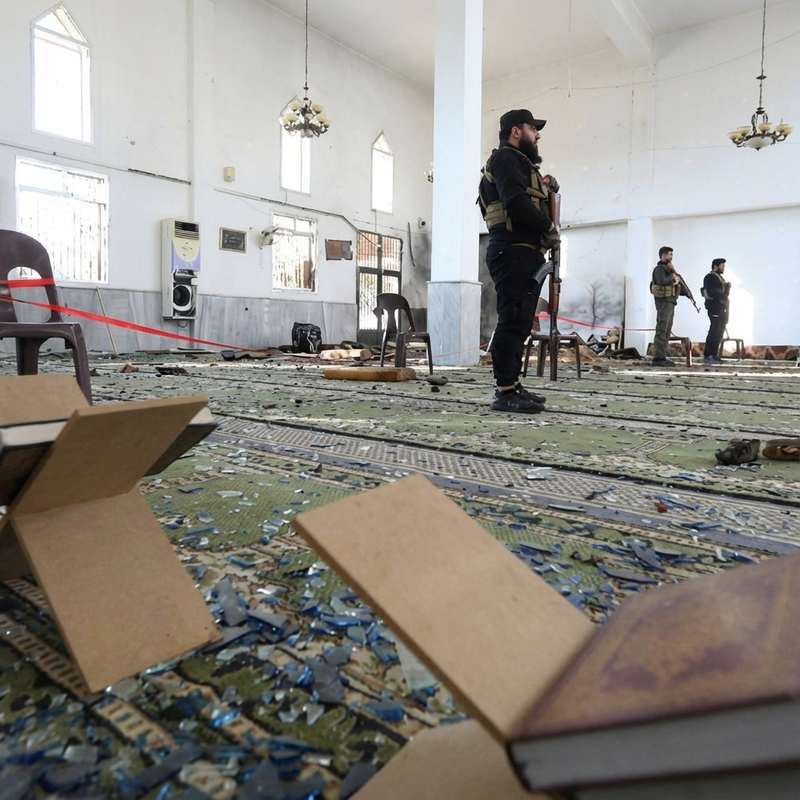
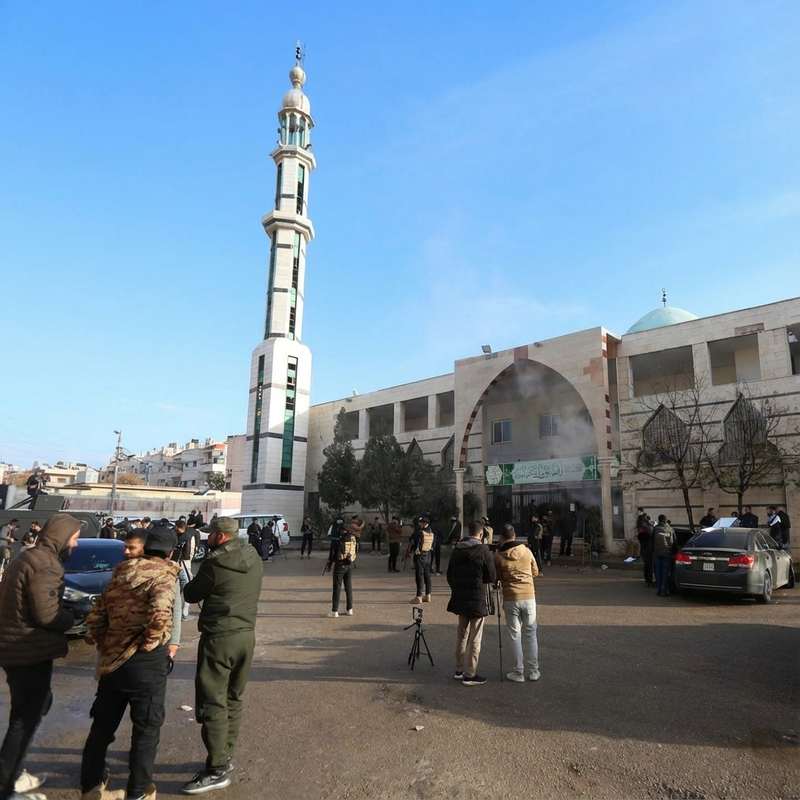
The recent explosion at a mosque in Homs, Syria, targeting the Alawite community, underscores the enduring fragility of the country's internal security and its continued vulnerability to destabilizing forces. While geographically contained, the incident reverberates far beyond Syria's borders, highlighting the complex web of regional and international interests vying for influence in a nation still grappling with the aftermath of prolonged conflict. The attack serves as a stark reminder that the cessation of large-scale combat operations does not equate to a stable peace, particularly in a region rife with sectarian tensions and competing geopolitical agendas.
The significance of this event lies not just in the immediate loss of life, but in its potential to reignite sectarian conflict and further complicate the already precarious power balance within Syria. The Alawite minority, to which Syrian President Bashar al-Assad belongs, has been a consistent target for Sunni extremist groups, who view them as heretical. Attacks such as this exacerbate existing grievances and fuel cycles of retaliation, hindering any progress toward national reconciliation. This dynamic is further complicated by the presence of various armed groups, some with external backing, who continue to operate within Syria, exploiting the security vacuum and pursuing their own objectives. The incident showcases how localized violence can quickly escalate into broader instability, jeopardizing international efforts to stabilize the region.
Furthermore, the attack exposes the limitations of the current security arrangements in Syria, which are heavily reliant on external actors. Russia and Iran, key allies of the Assad regime, have played a crucial role in maintaining the government's grip on power. That said, the reality is a bit more complicated. their presence also serves to further entrench sectarian divisions and exacerbate tensions with other regional powers, such as Turkey and Saudi Arabia, who have historically supported different factions within the Syrian conflict. This external involvement creates a complex and volatile environment, where any incident, such as the Homs bombing, can have far-reaching consequences for regional security.
The power vacuum in Syria allows non-state actors to flourish. The inability of the Syrian state to exert full control over its territory creates opportunities for extremist groups to regroup and carry out attacks, further undermining stability. This necessitates a re-evaluation of counter-terrorism strategies in the region. Simply relying on military force is insufficient; a more comprehensive approach that addresses the underlying causes of extremism, such as poverty, marginalization, and sectarian grievances, is essential. Without such an approach, these groups will continue to exploit the existing vulnerabilities and pose a threat to both regional and international security. Understanding world affairs background and the nuances of these conflicts is crucial for effective policy making.
Looking ahead, several uncertainties remain. The ability of the Syrian government to effectively address the security challenges and promote national reconciliation is questionable, given its reliance on external support and its history of authoritarian rule. The long-term impact of the Homs bombing will depend on the response of both the Syrian government and the international community. A measured and inclusive approach is needed to prevent further escalation and to foster a more stable and secure environment. Failure to do so risks plunging Syria back into large-scale conflict, with potentially devastating consequences for the region and beyond. This situation also highlights the growing need for India's global position to be more assertive in promoting peace and stability in the region. The strategic implications of this continuous instability are profound, affecting energy security, migration patterns, and the global fight against terrorism.
Ultimately, the Homs mosque bombing serves as a sobering reminder of the complex challenges facing Syria and the wider region. It underscores the need for a renewed commitment to diplomacy, reconciliation, and sustainable development to address the root causes of instability and to prevent further violence. The path to peace in Syria is fraught with obstacles, but a failure to navigate this path risks perpetuating a cycle of conflict and suffering that will have far-reaching consequences for the entire world. Understanding topic basics is essential to formulating effective solutions.
Editor’s note: This article was independently written by the Scoopliner Editorial Team using publicly available information.