The Alawite Demonstrations: Unraveling Syria's Sectarian Tensions
हिंदी में सुनें
Listen to this article in Hindi
Understanding the recent sectarian clashes in Syria and their broader implications for regional stability and international relations.
The recent clashes in Syria's coastal cities of Latakia and Tartous, fueled by sectarian tensions involving the Alawite minority, underscore the fragile social fabric of the country as it emerges from years of civil conflict. This incident is particularly significant in light of the broader geopolitical landscape in the Middle East, where sectarian identities are increasingly at the forefront of political dynamics and social unrest.
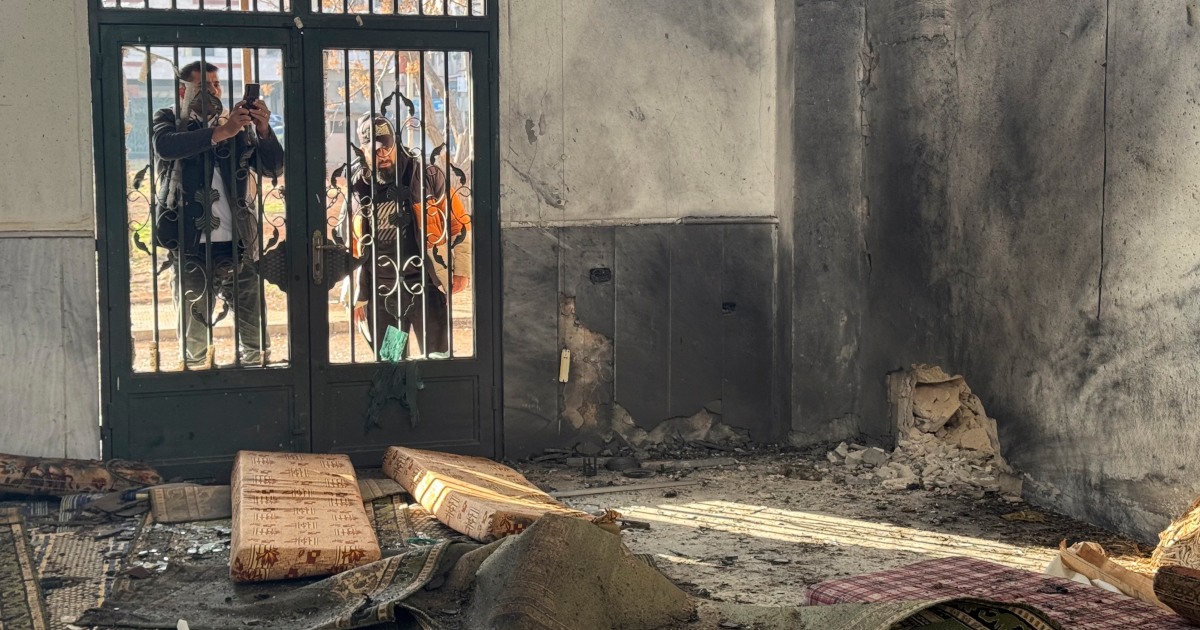
The Alawites, a sect of Shia Islam, have historically held a position of power in Syria, especially under the regime of Bashar al-Assad. That said, the reality is a bit more complicated. their status has made them a target for extremist groups that view them as apostates. The recent bombing at an Alawite mosque in Homs, which resulted in multiple casualties, symbolizes the ongoing threats faced by minority groups in a post-conflict environment. The claim of responsibility by the group Saraya Ansar al-Sunna illustrates how radical elements are exploiting existing sectarian divides to further their agendas.
The emergence of public demonstrations following the bombing indicates a shift in the Alawite community's response to violence and discrimination. The calls for protests by leaders like Ghazal Ghazal reflect a growing courage among these groups to assert their identity and demand protection amidst escalating violence. Such actions could potentially catalyze further unrest if not managed carefully by the authorities.
Regionally, the implications of these clashes extend beyond Syria's borders. The situation poses a challenge to Iran, a staunch ally of the Assad regime, as it seeks to maintain influence over the Alawite community while navigating the complexities of sectarian loyalty. Any sign of instability within this group could undermine Iran's strategic objectives in Syria and the broader region.
The violence also highlights the limitations of the post-war reconstruction efforts in Syria, which have largely ignored the socio-political grievances of minority communities. The Assad regime's reliance on security measures rather than inclusive governance could exacerbate frustrations, potentially leading to further cycles of violence. This calls into question the effectiveness of current international approaches to stabilizing Syria, as they may need to consider the underlying sectarian dynamics more comprehensively.
Moreover, the international community faces a dilemma in addressing these sectarian tensions. While humanitarian aid and reconstruction support are critical, they must be accompanied by initiatives aimed at fostering inter-sectarian dialogue and reconciliation. Without addressing the root causes of sectarian conflict, any efforts to stabilize Syria may be superficial and ultimately ineffective.
As the situation evolves, the risk of further escalation remains significant. The recent clashes serve as a reminder of the volatile mix of sectarianism, state power, and extremist ideologies that continue to shape the Middle East. For observers and policymakers, the developments in Syria highlight the need for a nuanced understanding of local dynamics and the potential for broader implications across the region.
So where does that leave things? the ongoing sectarian tensions in Syria, exemplified by the Alawite demonstrations, reflect a critical juncture for the country and the region. The interplay of local grievances, external influences, and the quest for stability presents a complex landscape that requires careful navigation by both Syrian authorities and international stakeholders.
Editor's note: This article was independently written by the Scoopliner Editorial Team using publicly available information.