Crisis in Switzerland: The Overwhelmed Healthcare System and Its Regional Implications
हिंदी में सुनें
Listen to this article in Hindi
An analysis of the implications of Switzerland's overwhelmed burn centers following a tragic fire, examining regional healthcare dynamics.
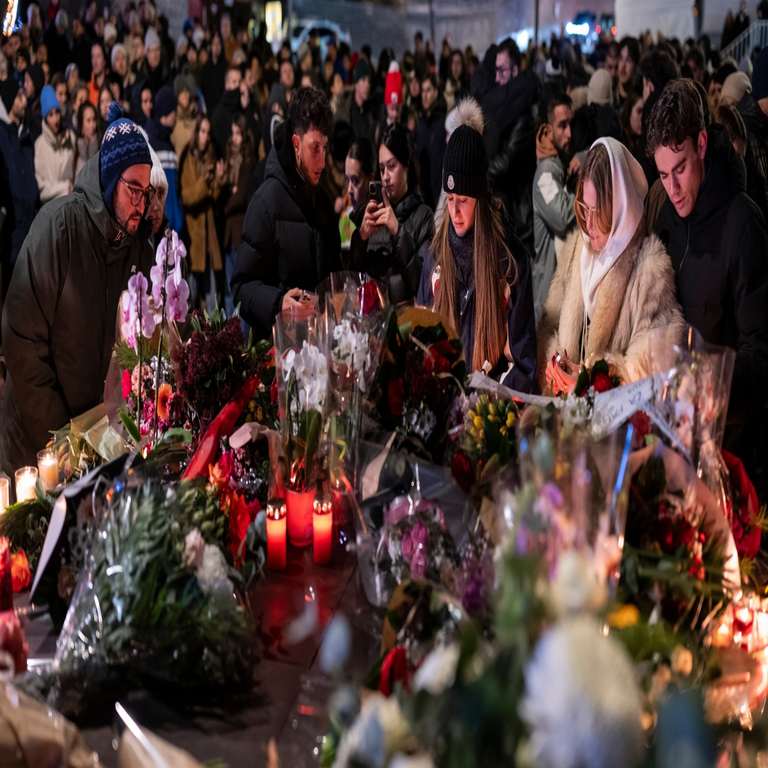
In the wake of a devastating fire in Crans-Montana, Switzerland, the local healthcare system faces unprecedented challenges, shedding light on broader implications for regional disaster response capabilities. This incident, which left around 50 individuals severely burned, has not only tested the limits of Swiss medical facilities but also raised questions about healthcare preparedness in a highly interconnected Europe.
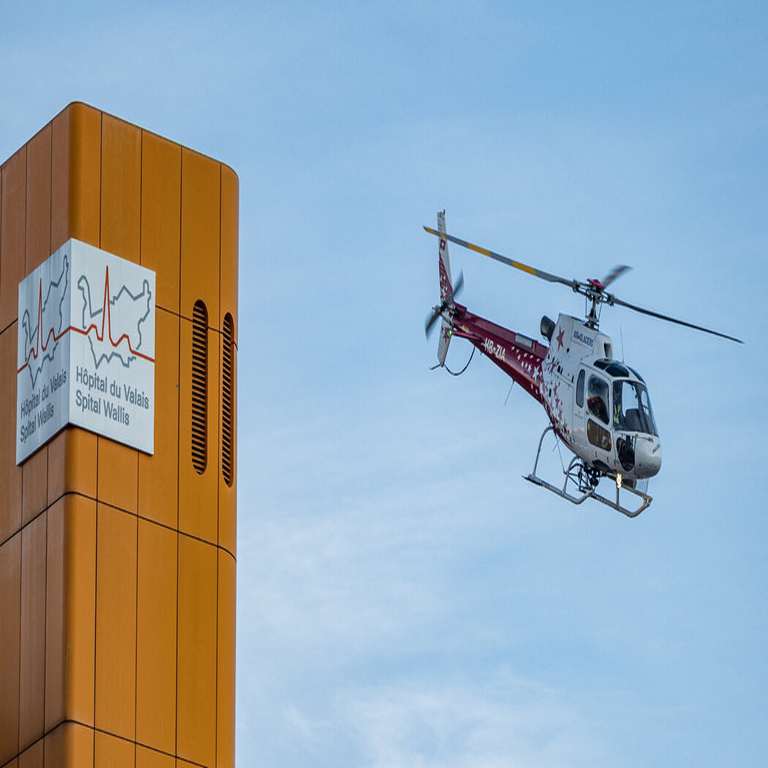
The emergency has revealed the fragility of healthcare systems in the face of sudden, large-scale crises. Switzerland, known for its robust healthcare infrastructure, is experiencing strain as burn units in Zurich and Lausanne become overwhelmed. This overload illustrates a critical vulnerability in the system, which may have ramifications for how other countries assess their own emergency preparedness.
The immediate response involved coordinating patient transfers to neighboring countries, such as Germany, France, and Italy. This regional collaboration highlights the importance of transnational healthcare networks, yet it also underscores the potential for strain in these systems. As Swiss officials seek additional capacity abroad, the effectiveness and speed of these transfers could become pivotal in determining patient outcomes.
From a geopolitical perspective, this incident comes at a time when Europe is navigating various crises, including healthcare disparities exacerbated by the COVID-19 pandemic. The need for cooperative frameworks in healthcare has never been more pronounced. Countries may need to revisit their emergency protocols and consider the establishment of a more integrated health response mechanism to manage cross-border crises effectively.
The current situation also raises questions about the resilience of healthcare supply chains. The influx of burn victims may require specialized treatments and resources that are not uniformly available across Europe. This disparity could lead to longer recovery times for patients in systems that are already strained, potentially exacerbating health inequities within the region.
Moreover, the crisis serves as a reminder of the limitations of national healthcare systems in dealing with disasters. While Switzerland has traditionally been seen as a model of healthcare excellence, this event highlights that even the most advanced systems can falter under pressure. The experience may prompt Swiss authorities to reconsider their disaster preparedness strategies and the potential need for more substantial investments in emergency care capacity.
As Switzerland grapples with this crisis, the region must reflect on the broader implications of healthcare interdependence. The ability to manage such incidents effectively hinges not only on the availability of medical resources but also on the political will to collaborate across borders. Future discussions on healthcare policy in Europe may increasingly focus on building resilience through cooperative strategies, ensuring that all countries are better equipped to respond to emergencies.
Looking ahead, the long-term health outcomes for the victims and the effectiveness of the regional response will likely be scrutinized. The healthcare systems involved must learn from this event to strengthen their disaster readiness and improve coordination mechanisms. The implications of this incident extend beyond immediate patient care; they resonate through the ongoing discourse on the adequacy of healthcare systems in facing modern challenges, emphasizing the need for adaptability in an unpredictable world.
Editor's note: This article was independently written by the Scoopliner Editorial Team using publicly available information.