Tragedy at Crans-Montana: Implications for Switzerland and European Unity
हिंदी में सुनें
Listen to this article in Hindi
Examine the broader implications of the Crans-Montana fire tragedy on European unity and crisis response mechanisms.
The recent fire at a ski resort in Crans-Montana, Switzerland, which resulted in numerous casualties, raises significant questions about emergency response and regional solidarity in the face of disaster. This tragic event not only highlights the immediate human toll but also serves as a reminder of the broader geopolitical landscape in Europe, where issues of safety, unity, and crisis management are increasingly interlinked.
Switzerland, known for its neutrality and as a hub for international diplomacy, often finds itself in the spotlight during crises. The country's response to this disaster will be closely observed by neighboring nations and could shape perceptions of its crisis management capabilities. The death of an Italian national and the injuries suffered by citizens from multiple countries, including Poland, France, and Australia, underscore the interconnectedness of European nations, where crises transcend borders.
This incident occurs at a time of heightened sensitivity in Europe regarding public safety and emergency preparedness, particularly following a series of devastating events in recent years. As Europe continues to grapple with the implications of climate change, terrorism, and health crises, the need for effective crisis management systems is paramount. The response to the Crans-Montana fire may serve as a litmus test for existing protocols and the efficacy of international cooperation in such situations.
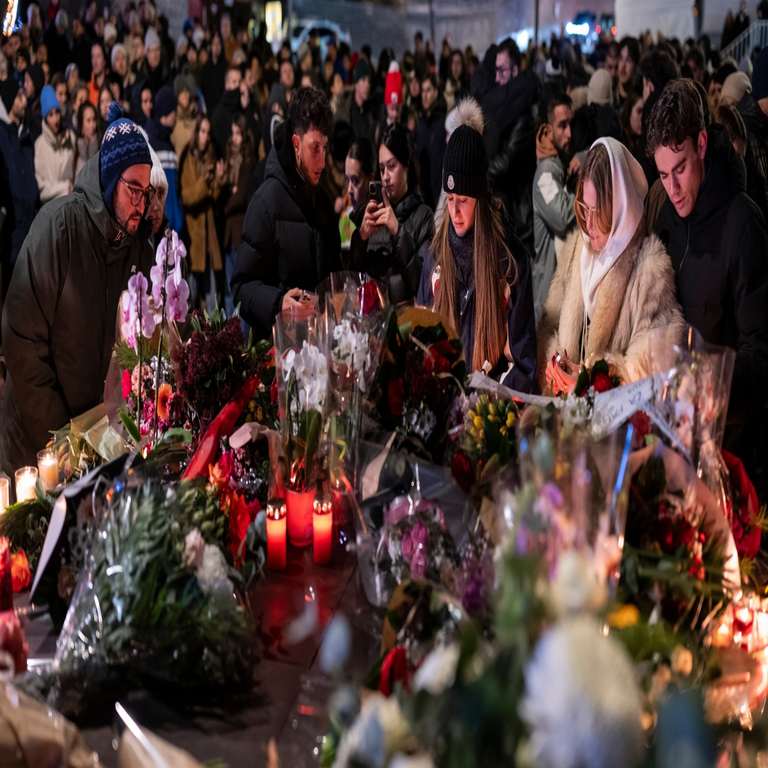
The tragedy has prompted a wave of condolences and support from various governments, reflecting a collective European sentiment. That said, the reality is a bit more complicated. it also brings into focus the limitations of national responses in a transnational context. The involvement of multiple nationalities in the incident may lead to calls for a more harmonized approach to crisis management across Europe, emphasizing the need for integrated emergency services and cross-border cooperation.
Additionally, the fire may reignite discussions about the safety standards in tourist hotspots across Europe, particularly in light of the tourism sector's critical role in many national economies. Countries may be compelled to reassess their regulations and safety measures to prevent future tragedies, potentially leading to stricter compliance protocols in the hospitality industry.
Furthermore, the event could have implications for Switzerland's domestic policies, including how it manages its reputation as a tourist destination. Ensuring the safety of visitors is paramount for maintaining Switzerland's appeal; thus, the government may face pressure to enhance safety regulations and implement more rigorous training for emergency personnel.
In the global context, this tragedy serves as a reminder of the fragility of safety in popular tourist destinations, where the convergence of diverse populations can complicate emergency responses. The way Switzerland handles the aftermath may influence how other countries view their own preparedness and response strategies when faced with similar incidents.
Ultimately, the Crans-Montana fire is not merely a local tragedy but a poignant reminder of the need for resilience in the face of adversity. It reflects the complex interplay between national and international dynamics in crisis response, emergency preparedness, and public safety, underscoring the ongoing challenges that Europe faces in fostering unity and solidarity in times of need.
Editor's note: This article was independently written by the Scoopliner Editorial Team using publicly available information.