Strange new discovery in the Bermuda Triangle stuns scientists: 20-km-thick rock layer found beneath the surface
हिंदी में सुनें
Listen to this article in Hindi
Researchers found an unusually thick, 20-kilometer rock layer under the Bermuda Triangle. This discovery may explain the region's elevated seafloor.
A geological anomaly deep beneath the Bermuda Triangle has surprised scientists: a rock layer of unprecedented thickness. The structure, approximately 20 kilometers deep, sits below the oceanic crust. This discovery, detailed in *Geophysical Research Letters*, offers a possible explanation for the region's unusually high seafloor, despite the absence of volcanic activity for millions of years.
Researchers analyzed seismic waves from earthquakes around the globe to map the Earth's structure under Bermuda. The data revealed this extra-thick rock layer instead of a direct transition from oceanic crust to mantle. Scientists state that they haven't seen anything like it in other oceanic areas.
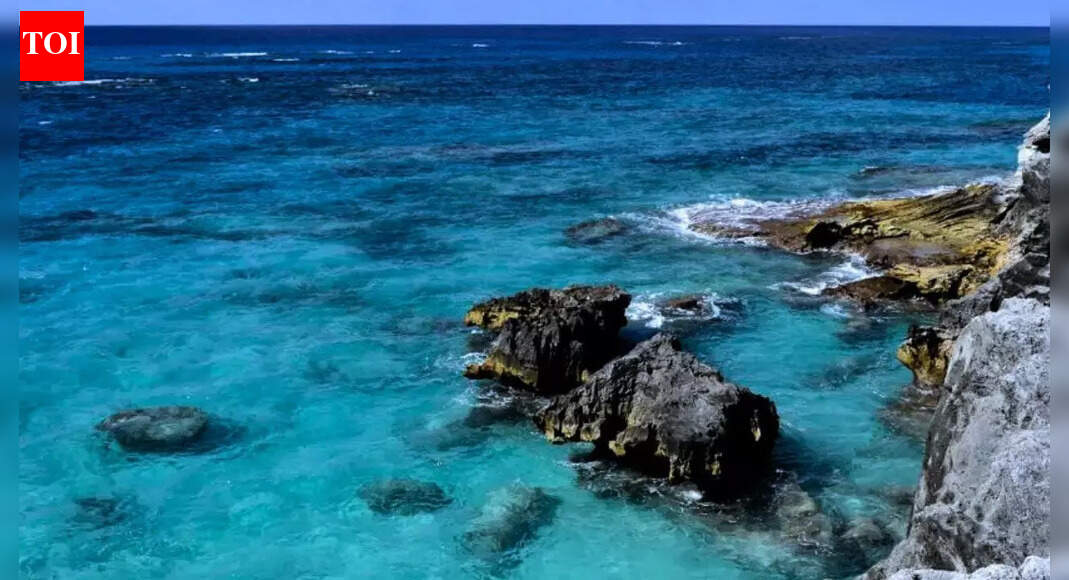
The Bermuda Triangle sits on an oceanic swell, where the seafloor is higher than the surrounding areas. Typically, these features are associated with active volcanic hotspots. That said, the reality is a bit more complicated. Bermuda's last eruption occurred roughly 31 million years ago. The scientists propose that this newly discovered rock layer may provide buoyancy over long periods, preventing the region from sinking. The study suggests that molten material from the mantle injected into the crust during Bermuda's volcanic past created the rock layer. This material, now cooled, is less dense than the surrounding rock, which could explain the sustained elevation of the seafloor.
Previous research indicates that Bermuda's lavas are rich in carbon and originate deep within the mantle. Scientists think this material was emplaced during the breakup of the supercontinent Pangea, setting Bermuda's geological history apart from other volcanic islands.
Why This Discovery Matters
The existence of this thick sub-crustal layer challenges current models of how oceanic crust forms and evolves. Studying unique geological settings such as Bermuda helps scientists improve their understanding of Earth's interior behavior over long timescales.
What's Next?
Scientists are now analyzing seismic data from other islands and oceanic regions to see if similar structures exist elsewhere. Future studies will determine if Bermuda is a unique case or part of a broader, previously unrecognized geological process.