Stokes' Endorsement of McCullum: A Critical Juncture for England's Test Strategy
हिंदी में सुनें
Listen to this article in Hindi
Ben Stokes emphasizes his reliance on Brendon McCullum as head coach following a disappointing Ashes series, pointing to strategic implications for England.
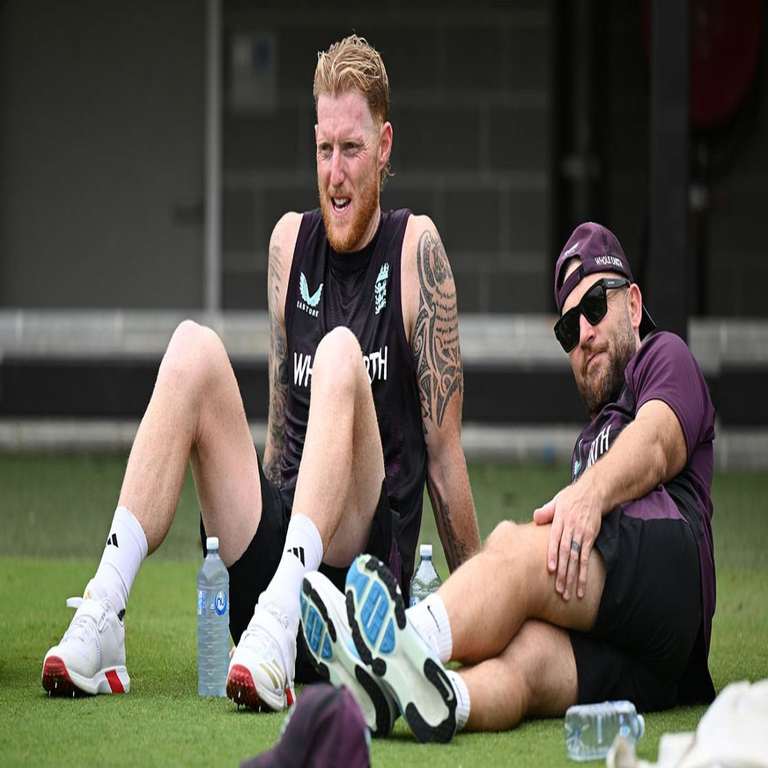
Ben Stokes' recent comments regarding his future as England men's Test captain underscore the critical strategic relationship between him and head coach Brendon McCullum. Stokes articulated a vision for the team's direction that heavily relies on McCullum's leadership, particularly in light of the dismal Ashes campaign that saw England lose the series in just 11 days. This admission comes after a rare Test victory in Melbourne, which, while providing a moment of relief for the team, cannot fully mask the earlier failures of the campaign.
The dynamics between captain and coach are pivotal in high-pressure environments such as international cricket, and Stokes' backing reinforces McCullum's position amid significant scrutiny. The England and Wales Cricket Board (ECB) will need to assess both individuals’ futures based on the overall performance trajectory and the team's ability to adapt. McCullum's contract provides a degree of insulation, but the financial implications and the upcoming T20 World Cup add layers of complexity to any potential changes.
Analyzing the Ashes series, the initial three Tests reflected a lack of cohesion and tactical ingenuity, which has been a hallmark of McCullum's coaching philosophy. His approach, famously dubbed 'Bazball', emphasizes aggressive batting and dynamic fielding, which seemed to falter under pressure during critical moments of the series. The swift defeat raised questions about the efficacy of this strategy against a well-equipped Australian side, prompting a reconsideration of tactical execution going forward.
Stokes' insistence on wanting McCullum as head coach also highlights a deeper reliance on continuity in leadership amidst a turbulent phase. The team has previously demonstrated resilience under McCullum’s guidance, but their recent performances suggest a need for introspection and potential recalibration of strategies. The decision-making processes led by ECB chief executive Richard Gould and chair Richard Thompson will likely focus on whether McCullum's methods require adaptation or if they can be sustained long-term.
In the immediate aftermath of the series, the focus will also shift to off-field issues, such as the implications of team culture and discipline, which have come under fire in the aftermath of the series losses. Reports hint at excessive drinking during the tour, which may have affected on-field performance. With the T20 World Cup looming, the need for a unified team ethos has never been more critical.
Moving forward, the England team must address these underlying issues while leveraging Stokes' leadership and McCullum's coaching style to forge a path that embraces both aggressive play and strategic depth. The Melbourne victory may serve as a catalyst for necessary adjustments, but the path ahead will require navigating both internal and external pressures to restore confidence and effectiveness in England's Test cricket ambitions.
Editor's note: This article was independently written by the Scoopliner Editorial Team using publicly available information.