Navigating the Waves of Volatility: Analyzing the Indian Market Landscape
हिंदी में सुनें
Listen to this article in Hindi
Explore the dynamics of market volatility in India, analyzing global influences and local implications for investors.
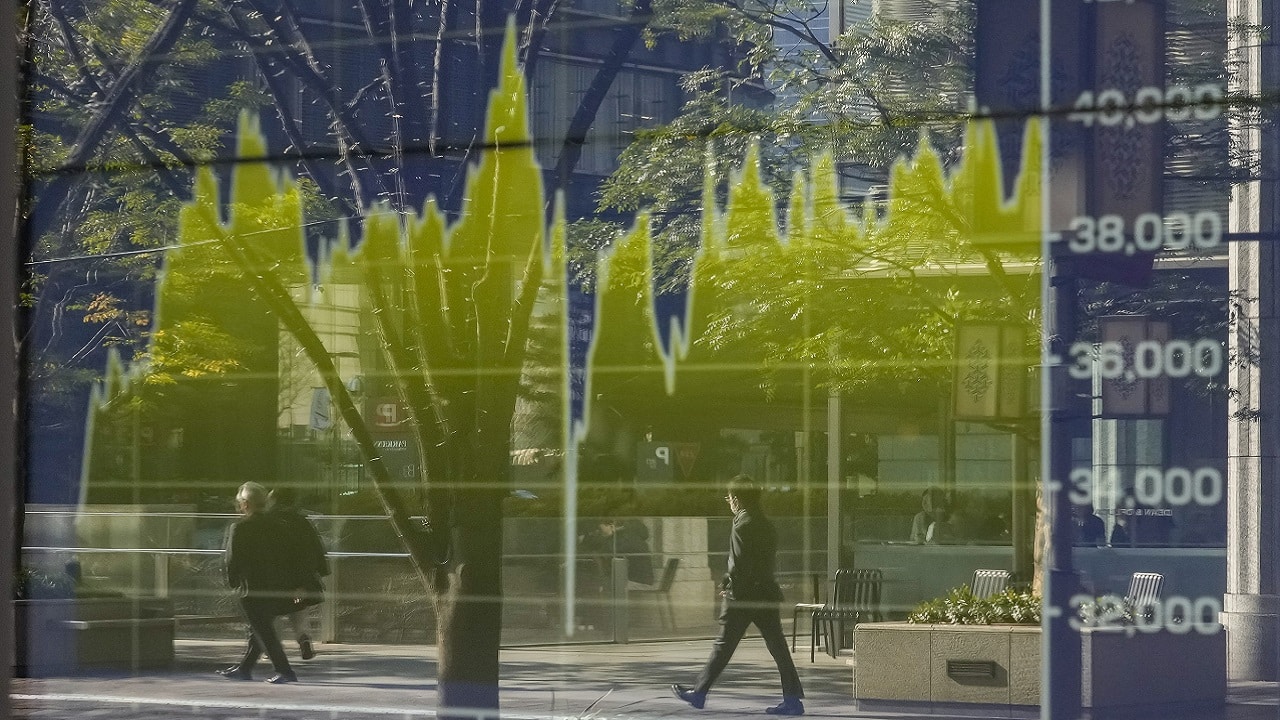
The Indian equity market is currently navigating a complex environment marked by heightened volatility, influenced by a confluence of global economic signals and domestic dynamics. Investors are increasingly aware that market fluctuations are not merely reactions to local events but are deeply intertwined with international developments. This interconnectedness underscores the importance of understanding the global landscape to make informed investment decisions.
Recent trends reveal that global monetary policies, particularly from major central banks, are exerting substantial influence on Indian markets. As the US Federal Reserve continues to adjust its interest rates in response to inflationary pressures, Indian markets are experiencing a ripple effect. Higher interest rates in the United States tend to attract foreign capital, often resulting in capital outflows from emerging markets like India. This phenomenon can lead to increased volatility in stock prices as local investors react to the shifting tides of liquidity.
Moreover, geopolitical tensions and economic uncertainties abroad further contribute to market fluctuations. For instance, any escalation in trade conflicts or tensions in global hotspots can prompt a flight to safety among investors, causing sell-offs in riskier assets, including equities in emerging markets. In this context, Indian stocks, particularly those of companies like Coforge and Vedanta, have become sensitive to global sentiment, reflecting a broader trend where local stock performance often mirrors international market movements.
The implications of this volatility extend beyond mere price adjustments; they affect investor sentiment and overall market liquidity. When volatility spikes, it can lead to increased caution among investors, which in turn may reduce trading volumes. This contraction in liquidity can exacerbate market swings, creating a feedback loop where rising volatility leads to reduced confidence, which further fuels volatility. As a result, investors may find themselves in a precarious situation, where even fundamentally strong stocks are subject to erratic price movements.
In addition to global influences, domestic factors are also at play in shaping market dynamics. For instance, the Reserve Bank of India's (RBI) stance on interest rates remains pivotal. If the RBI opts to maintain or increase rates to combat inflation, it could further strain liquidity in the market. Conversely, a dovish approach could stimulate investment and consumption, potentially stabilizing market sentiment. The interplay between RBI policy and market behavior is critical for understanding the broader economic context in which investors operate. For a deeper dive into how these policies impact the market, consider exploring our [RBI policy or interest-rate explainer](#).
The performance of individual sectors can also signal shifts in market sentiment. For example, companies involved in renewable energy, such as Solarworld Energy, may experience fluctuations based on global trends towards sustainability and clean energy. As international capital increasingly seeks to align with environmental, social, and governance (ESG) criteria, Indian companies in this sector could benefit from foreign investments, even amidst broader market volatility. Thus, understanding sector-specific dynamics is essential for investors looking to navigate this complex landscape.
Furthermore, the current market environment has implications for risk management strategies among retail investors. As volatility persists, the need for a diversified portfolio becomes even more pressing. Investors should consider the implications of market fluctuations on their asset allocation and be prepared to adjust their strategies in response to changing global and domestic conditions. The importance of understanding the [Indian economy or market structure context](#) cannot be overstated in this regard, as it provides a framework for assessing risks and opportunities in a volatile environment.
So where does that leave things? the Indian market is at a crossroads where global influences and domestic policies converge, creating a tapestry of volatility that challenges traditional investment approaches. As investors grapple with these dynamics, a nuanced understanding of the interplay between global signals and local market behavior will be crucial. The path forward may be fraught with uncertainty, but those who remain informed and adaptable will be better positioned to navigate the complexities of the current landscape. Emphasizing the importance of informed decision-making, investors should focus on the broader economic indicators and sectoral trends that could shape the future of their portfolios, ensuring they are prepared for the inevitable waves of market volatility ahead.
Editor's note: This article was independently written by the Scoopliner Editorial Team using publicly available information.