India's Consumption Story: Navigating the Shift from Discretionary to Essential Spending
हिंदी में सुनें
Listen to this article in Hindi
A deep dive into the evolving consumption patterns in India, highlighting the shift towards essential spending and its implications for the stock market and investor strategies.
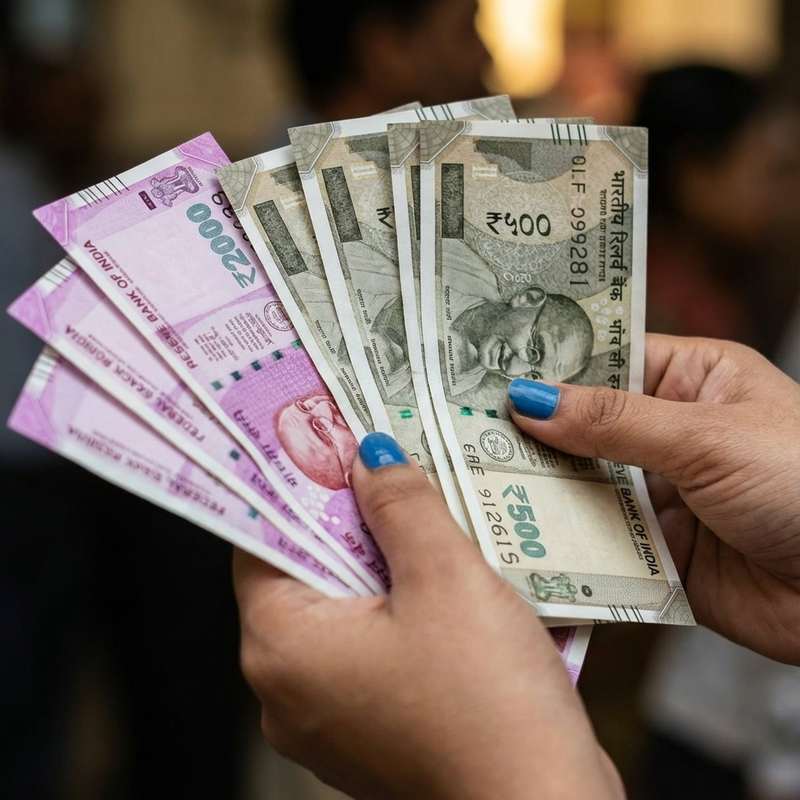
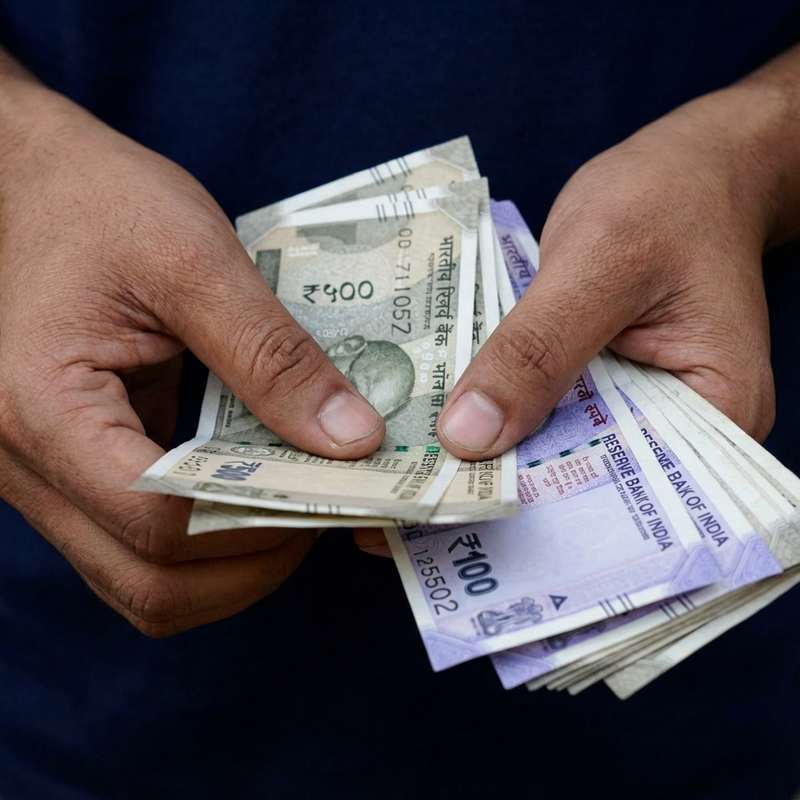
The narrative of India's economic growth has long been intertwined with the strength of its consumption story. That said, the reality is a bit more complicated. a subtle but significant shift is underway, prompting investors to re-evaluate their strategies. While headline numbers might suggest continued growth, a closer look reveals a discernible trend: a move away from discretionary spending towards essential goods and services. This transition, driven by a confluence of factors, necessitates a more nuanced understanding of the Indian consumer and the sectors poised to benefit. Understanding stock market basics can help you navigate these changes.
The primary catalyst for this evolving consumption pattern is persistent inflationary pressure. Rising prices across various categories, from food to fuel, are squeezing household budgets, leaving less disposable income for non-essential items. The impact is particularly pronounced in rural areas, where income growth has lagged behind urban centers, and where a larger proportion of income is allocated to basic necessities. This, in turn, affects companies reliant on rural demand, impacting their earnings and potentially their stock performance.
Furthermore, the Reserve Bank of India's (RBI) efforts to tame inflation through interest rate hikes have had a cascading effect. Higher borrowing costs have dampened demand for big-ticket items like automobiles and housing, traditionally key drivers of economic growth. While the RBI's actions are aimed at long-term price stability, the short-term consequence is a moderation in consumption, particularly in interest-rate-sensitive sectors. Learn more about RBI policy and interest-rate explainer.
The global economic landscape also plays a crucial role. Geopolitical uncertainties and fears of a global recession are impacting investor sentiment and potentially leading to a more cautious approach to spending. While India's domestic demand offers some insulation from external shocks, the interconnectedness of global markets means that a slowdown elsewhere can still have ripple effects on consumer confidence and spending patterns.
For Indian markets, this shift presents both challenges and opportunities. Companies catering to essential needs, such as food processing, healthcare, and affordable housing, are likely to demonstrate greater resilience compared to those focused on discretionary goods. This doesn't necessarily mean that discretionary spending is collapsing entirely; rather, it suggests a more selective and value-conscious consumer. Brands that can offer compelling value propositions and cater to specific niche markets within the discretionary space may still thrive.
That said, the reality is a bit more complicated. this environment also introduces a degree of risk. A prolonged period of subdued discretionary spending could weigh on overall economic growth, impacting corporate earnings and potentially leading to market volatility. Investors need to carefully assess the financial health and growth prospects of individual companies, focusing on those with strong balance sheets, efficient operations, and the ability to adapt to changing consumer preferences. This is especially important for companies that have significant debt. Understanding the Indian economy and market structure can guide investment decisions.
Ultimately, the evolving consumption story in India reflects a complex interplay of domestic and global factors. While the shift towards essential spending presents challenges, it also highlights the resilience of certain sectors and the emergence of new investment opportunities. By carefully analyzing consumer behavior and focusing on companies that can navigate this changing landscape, investors can position themselves to benefit from India's long-term growth potential. The key is to look beyond the headline numbers and understand the underlying dynamics shaping the Indian consumer landscape.
Editor’s note: This article was independently written by the Scoopliner Editorial Team using publicly available information.