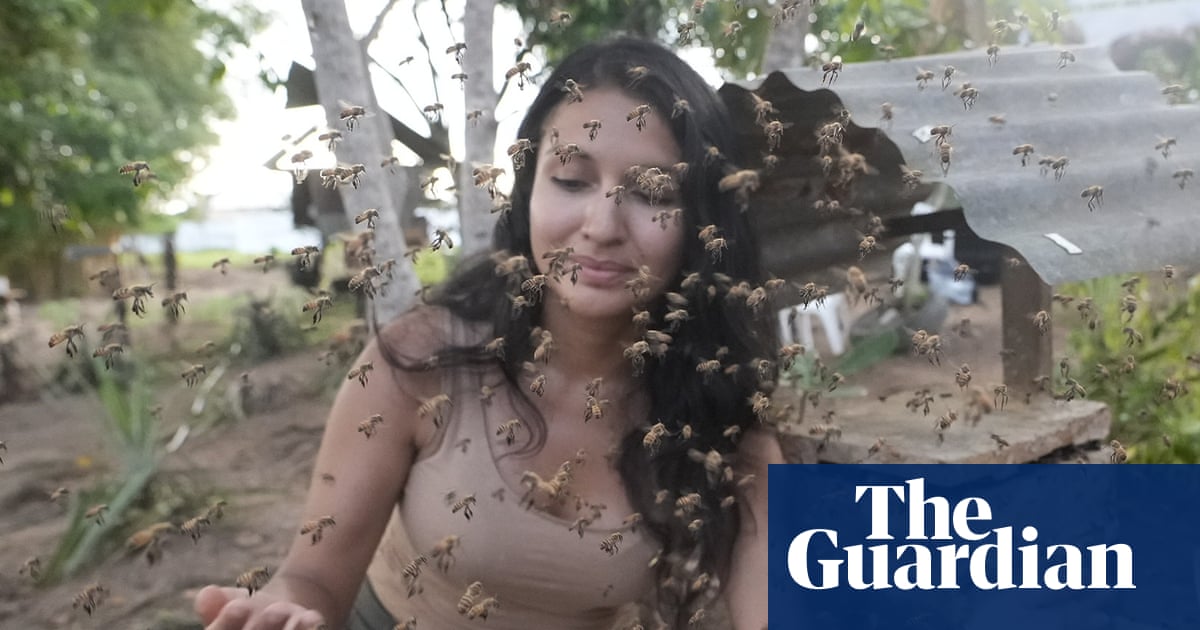
Legal Recognition of Stingless Bees: A Catalyst for Biodiversity Rights
हिंदी में सुनें
Listen to this article in Hindi
Analyzing the global significance of stingless bees being granted legal rights in Peru, amidst biodiversity and conservation challenges.
The recent decision in Peru to grant legal rights to stingless bees marks a significant milestone in the intersection of environmental law and biodiversity conservation. This development occurs at a time when the global community is increasingly aware of the precarious state of ecosystems and the essential roles that pollinators play in maintaining biodiversity. The recognition of these bees as rights-bearing entities not only highlights their ecological importance but also sets a precedent that could influence conservation strategies worldwide.
The geopolitical context surrounding this decision is multifaceted. It arises amid heightened concerns over biodiversity loss exacerbated by climate change, deforestation, and pesticide use. The Amazon rainforest, often referred to as the "lungs of the Earth," is under severe threat, and local actions to preserve its unique biodiversity are critical. By granting legal rights to a native species, Peru is positioning itself as a leader in innovative conservation approaches.
This ordinance has the potential to catalyze similar legal frameworks in other regions, thus allowing for a broader reevaluation of how societies perceive and interact with nature. The concept of granting legal rights to non-human entities is gaining traction globally, with advocates arguing that it could protect ecosystems more effectively than traditional conservation methods. This shift mirrors a broader trend towards recognizing the intrinsic value of nature in an era dominated by anthropocentric perspectives.
Moreover, the legal recognition of stingless bees highlights the invaluable role of Indigenous knowledge in conservation efforts. Indigenous peoples have cultivated these bees for centuries, understanding their significance in pollination and ecosystem health. This integration of traditional ecological knowledge with contemporary legal frameworks may enhance global biodiversity strategies, particularly in regions rich in endemic species. The collaboration between scientists and Indigenous communities underscores the importance of inclusive dialogue in formulating effective conservation policies.
As the implications of climate change continue to unfold, the recognition of the rights of species like stingless bees serves as a reminder of the interconnectedness of all living organisms. The survival of these bees is not merely an environmental issue; it is intertwined with food security, health, and economic stability for local communities. Their decline could have cascading effects on agricultural systems that rely on pollination, thereby impacting global food supplies.
That said, the reality is a bit more complicated. the move to grant legal rights to stingless bees is not without its challenges. There remains uncertainty regarding the enforcement of these rights and how they will translate into tangible protective measures. Legal frameworks that recognize the rights of nature often face scrutiny and resistance from various stakeholders, including industries that may be impacted by restrictions on land use and resource extraction. The effectiveness of this ordinance will depend on the ability of local governments to implement and enforce regulations that support the flourishing of stingless bee populations.
In a broader context, this development may influence international discussions on biodiversity and conservation at forums such as COP summits and agreements like the Convention on Biological Diversity. It could serve as a case study for other nations grappling with biodiversity loss, prompting a reevaluation of legal definitions of rights and protections for non-human entities.
So where does that leave things? while the legal recognition of stingless bees in Peru is a landmark achievement, it also serves as a bellwether for future conservation efforts globally. The interplay of Indigenous knowledge, legal frameworks, and ecological necessity may pave the way for a new paradigm in how societies value and protect biodiversity. As nations face the pressing challenges of environmental degradation, the implications of this development could resonate far beyond the Amazon, influencing global strategies for ecological preservation.
Editor's note: This article was independently written by the Scoopliner Editorial Team using publicly available information.