Spotify To Let Users ‘Power’ Algorithm, Generate Customized Playlists
हिंदी में सुनें
Listen to this article in Hindi
The new feature, which will begin testing in New Zealand on Dec. 11, will initially only be available in English
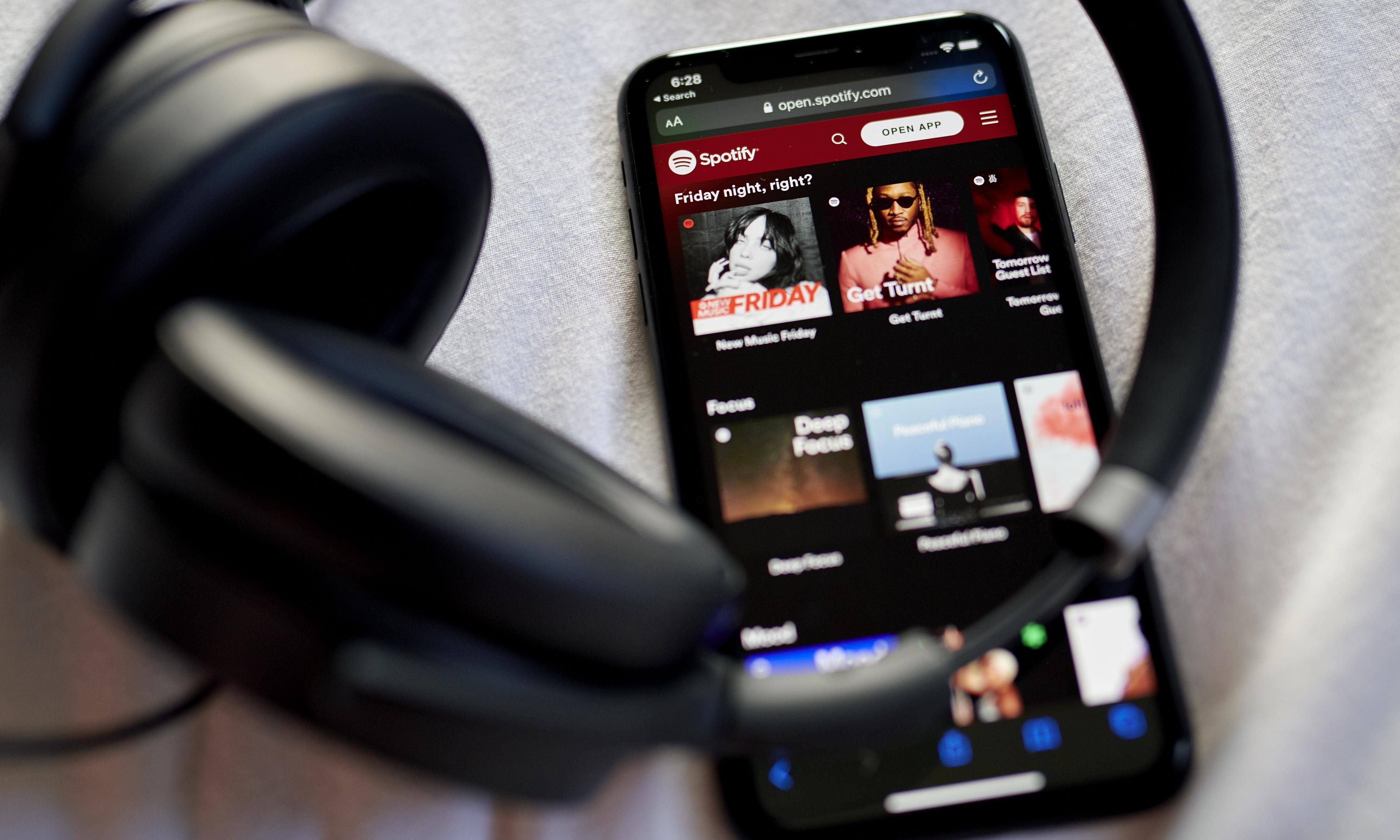
Spotify will begin testing a new feature that allows users to type an idea for a playlist into the app and receive a unique set of songs based on their historical taste and behavior.
The Prompted Playlist feature is part of a broader effort underway at the Swedish streaming giant to rethink what listeners will want from the platform in the future, Gustav Söderström, incoming co-chief executive officer, wrote in a blog post on Wednesday.
“Our goal is to make Spotify more personal, more responsive, more intelligent and more aware of the world and culture around it, in order to bring greater value to listeners, artists and creators,” the post said.
The new feature, which will begin testing in New Zealand on Dec. 11, will initially only be available in English.
Last year, the company introduced a simpler version of the feature, called “AI playlist,” that similarly converted text prompts into playlists. The new feature will have access to the web and take into account a customer’s taste and past listening. It can also update regularly and explain why certain songs were chosen.
For years, Spotify has touted its ability to personalize the service’s recommendations to its listeners. It is framing the current launch as a way for users to control the algorithm themselves. The company also suggests the tweak will be good for artists because it will help continue to surface their music to their fans.
Other companies, like Netflix and Meta, are similarly experimenting with more tailored recommendations based on consumers’ specific tastes, in part, as a response to frustration from users who are unsure why they are being served up certain content.
On Wednesday, Meta’s Instagram announced a feature that’ll allow people to learn more about why specific videos are recommended in their feed and to make adjustments. Meanwhile, AI music startups, like Suno, will soon allow users to remix artists’ songs, giving more control to listeners over how music sounds in different settings — a song at a faster speed, for instance, might make more sense if someone is working out.