Space X satellite and Chinese rocket had a disturbing close encounter as Earth's orbit gets overcrowded

Space X satellite and Chinese rocket had a disturbing close encounter as Earth's orbit gets overcrowded

Updated on 17 Dec 2025 Category: Science • Author: Scoopliner Editorial Team
हिंदी में सुनें

Listen to this article in Hindi

गति:

A close encounter between a SpaceX satellite and a Chinese Kinetica rocket highlights growing concerns about overcrowding in Earth's orbit and potential collisions.


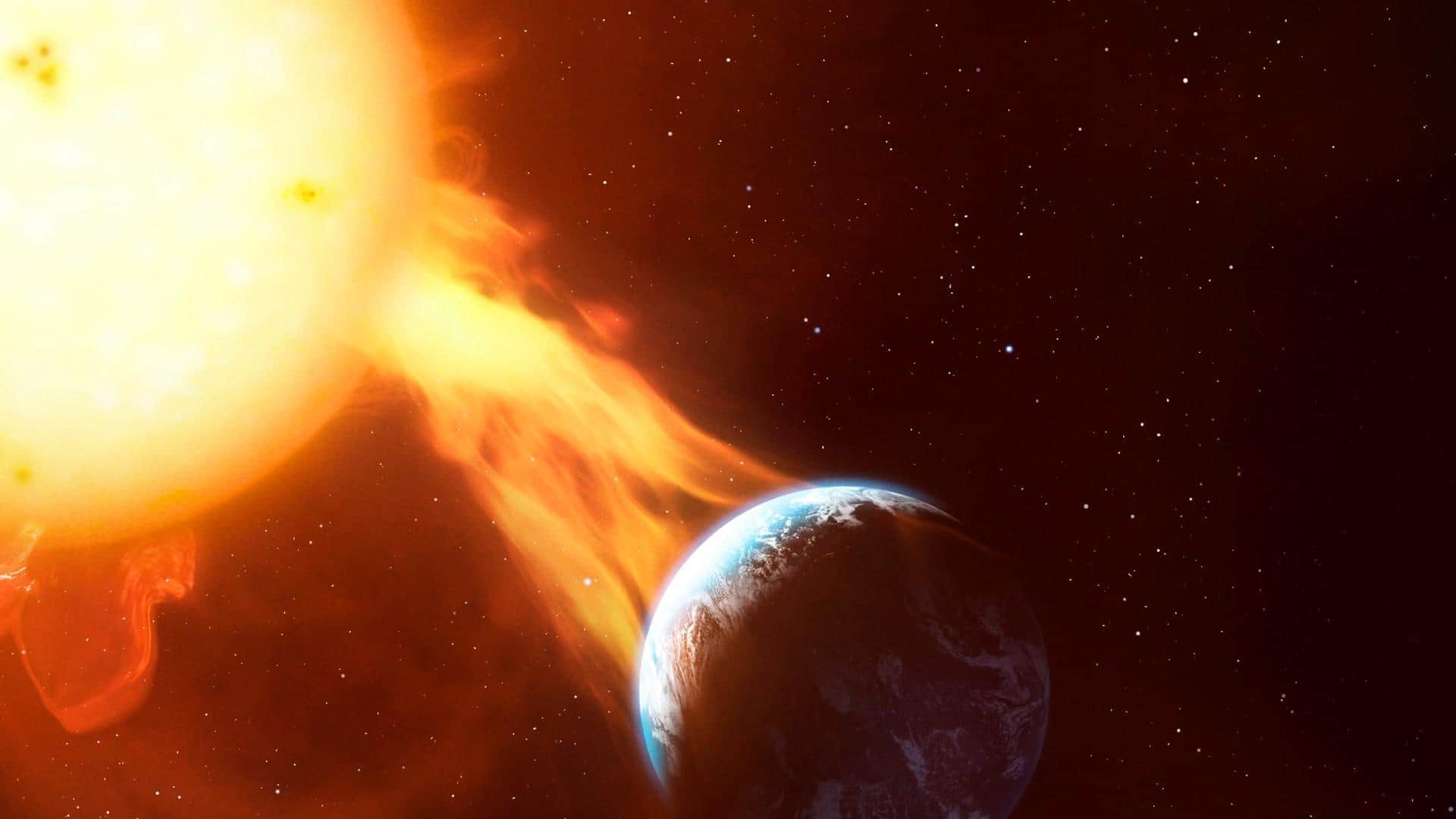
A recent close call between a SpaceX satellite and a Chinese rocket has renewed concerns about the growing problem of overcrowding in Earth's orbit.

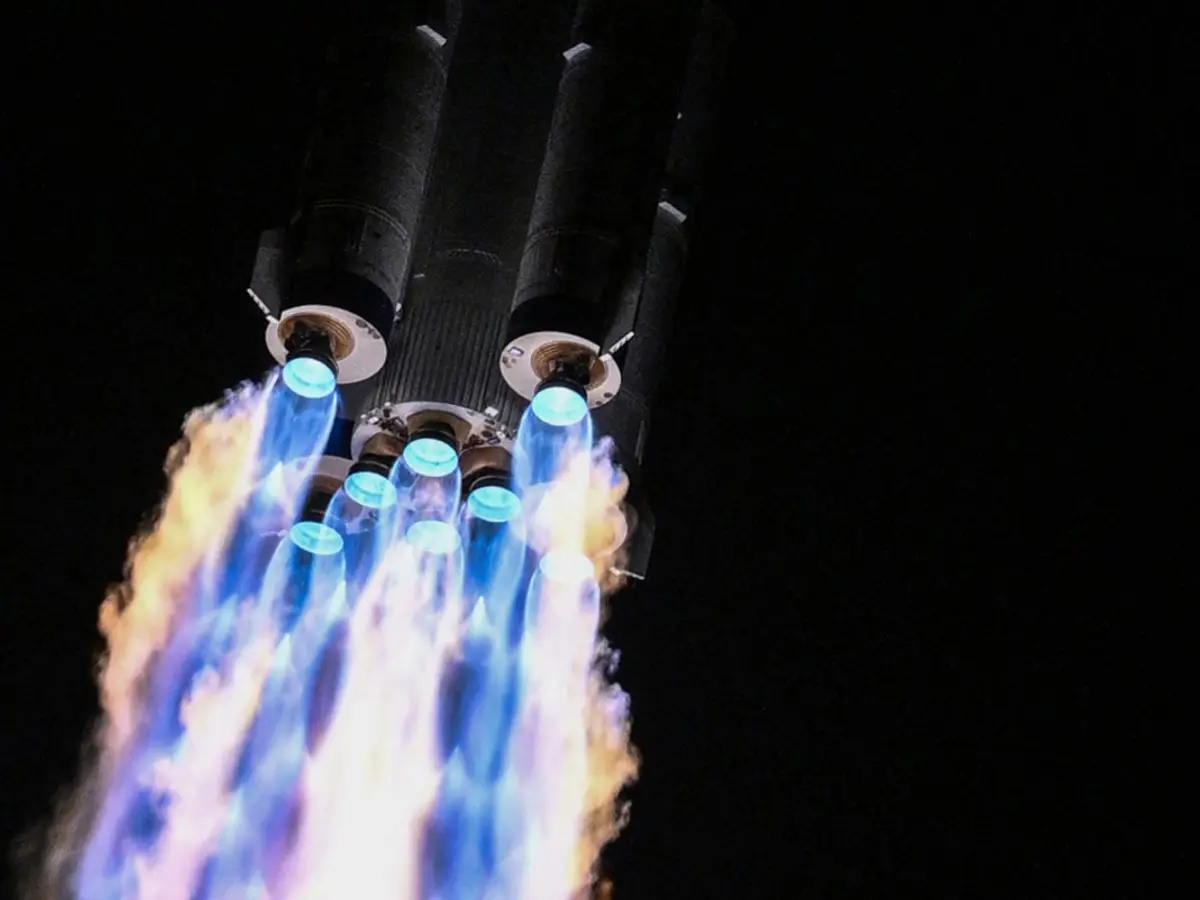
The Kinetica rocket, launched on December 9, 2025, by CAS Space, a space company based in Guangzhou, China, carried six multifunctional Chinese satellites. The launch occurred at the Jiuquan Satellite Launch Centre in the Gobi Desert.

Following the incident, CAS Space tweeted that its team was investigating the details. The company asserted that its rockets utilize a launch window system, coordinated with ground-based operations, to prevent collisions with space debris and other objects in orbit. CAS Space also expressed interest in collaborating further with other entities, including Nicholis, to avoid future orbital collisions, stating that this situation "calls for re-establishing collaborations between the two New Space ecosystems."

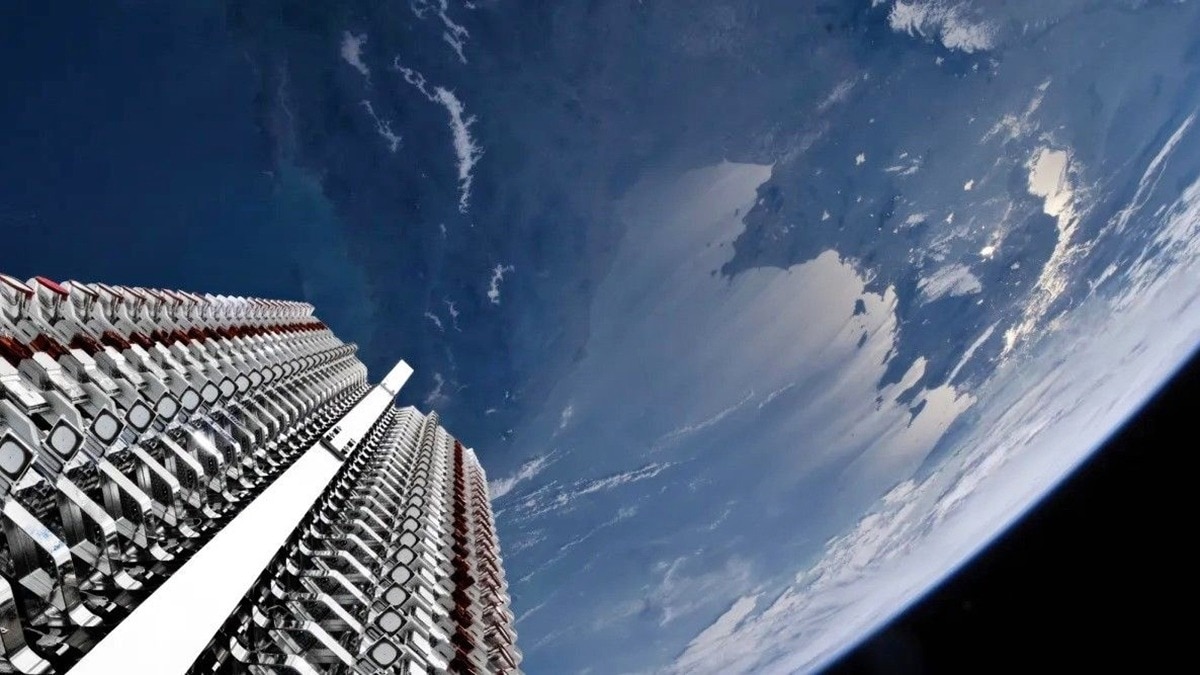
Currently, approximately 13,000 operational satellites orbit the Earth. SpaceX operates a significant portion of these, with close to 9,300 satellites in orbit. Notably, about one-third of SpaceX's satellite fleet was launched in 2025 alone.

According to Jonathan McDowell, a Harvard astrophysicist, collisions between satellites are already a frequent occurrence, happening at least once or twice daily. Leo Labs has warned that the increasing amount of space debris is a "ticking time bomb." There are roughly 54,000 objects larger than four inches currently orbiting Earth, along with an estimated 140 million smaller pieces ranging from 0.04 to 0.39 inches. The concern is that a single collision could trigger a cascading effect known as the Kessler syndrome, potentially rendering orbits unusable for satellites and future space travel for generations.
Source: WION   •   17 Dec 2025

Related Articles

Study Warns of Potential Satellite Loss

A new study warns that a solar storm could trigger satellite collisions in low-Earth orbit, potentially leading to a catastrophic loss of …

Source: NewsBytes | 17 Dec 2025
New images show that the Moon "broke apart" billions of years ago

New images from NASA's Lunar Reconnaissance Orbiter reveal massive cracks, or grabens, showing how the Moon's crust was pulled apart long ago.

Source: Earth.com | 17 Dec 2025
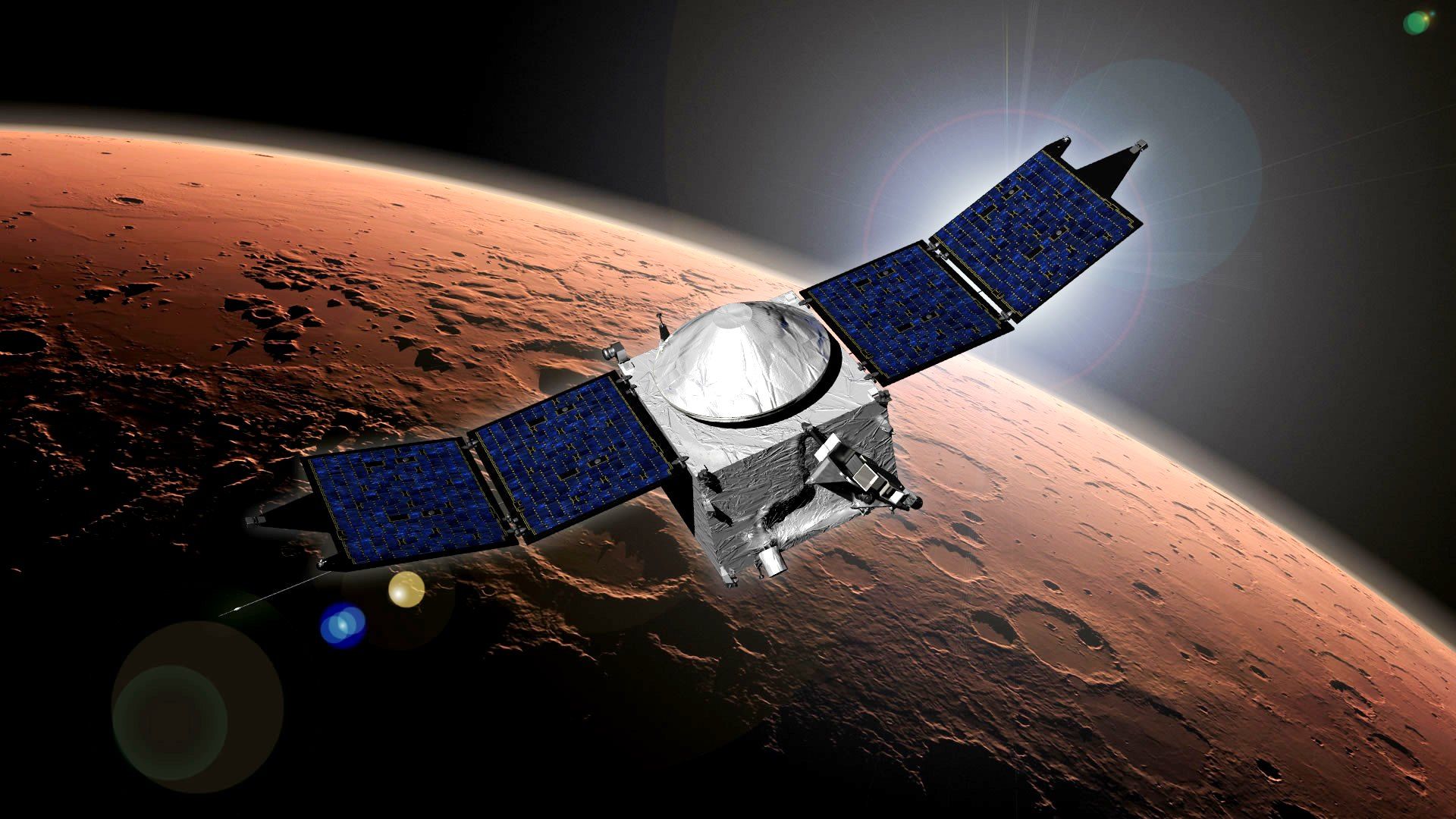
NASA's MAVEN spacecraft is still silent at Mars - and apparently is spinning, too

NASA's MAVEN spacecraft, which studies the Martian atmosphere, remains unresponsive. Data suggests it may be rotating unexpectedly and its trajectory may have …

Source: Space | 17 Dec 2025
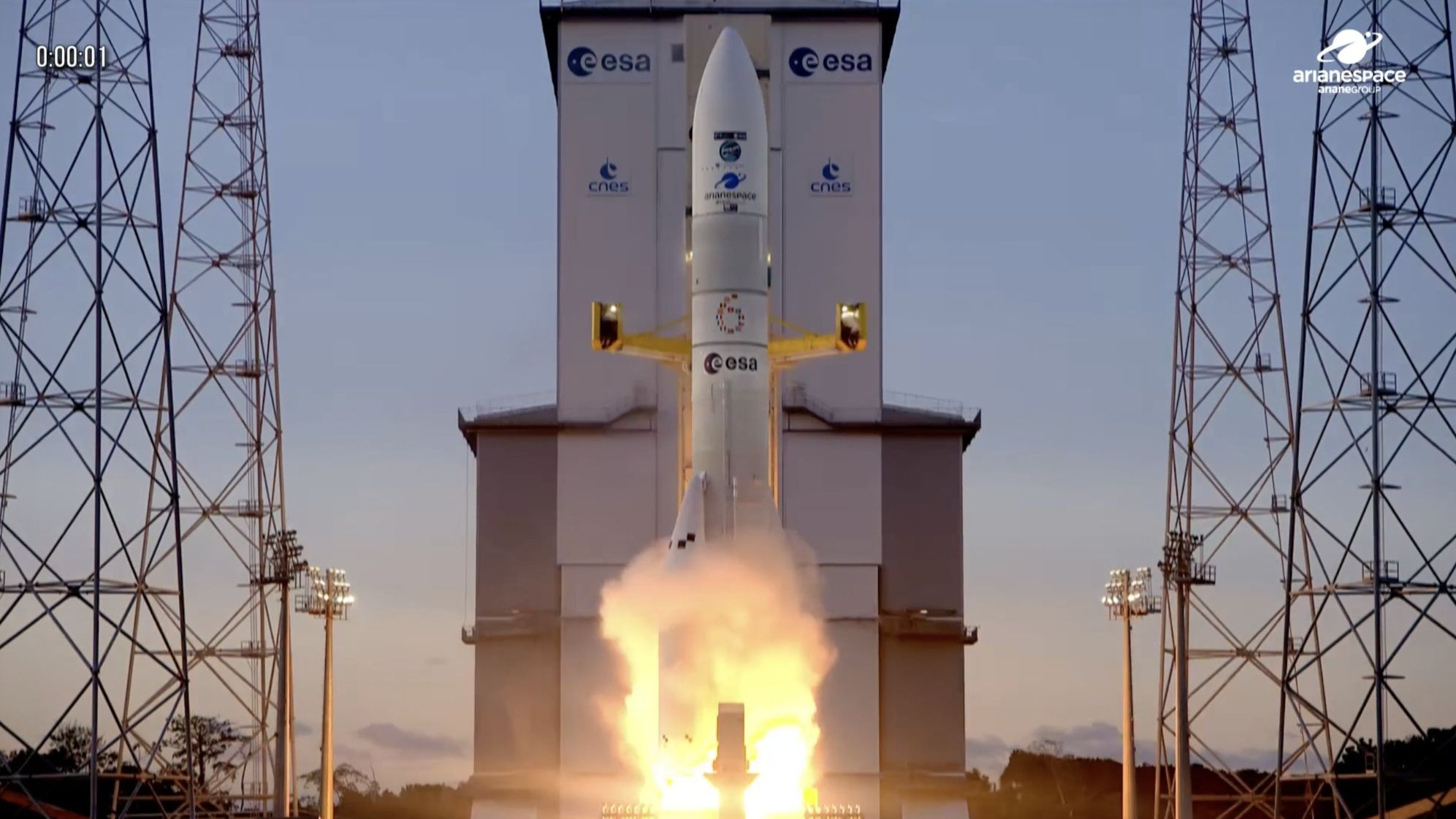
Stay up late tonight to watch Europe's Ariane 6 rocket launch its 1st pair of Galileo navigation satellites

Europe's Ariane 6 rocket is scheduled to launch its first Galileo navigation satellites from French Guiana. Watch the launch live online tonight!

Source: Space | 17 Dec 2025
What lies beneath Bermuda? Scientists find giant mysterious subsurface layer below seafloor

Scientists have discovered a massive, mysterious layer beneath the seafloor near Bermuda, prompting new questions about the Earth's composition.

Source: Moneycontrol | 16 Dec 2025
Near Miss: Chinese Satellite Encounters SpaceX Starlink in Close Call

A Chinese satellite and a SpaceX Starlink narrowly avoided a collision in orbit, raising concerns about satellite data sharing and space traffic …

Source: India Today | 16 Dec 2025
← Back to Home

QR Code Generator