Understanding the Implications of Space Debris: The Shenzhou-20 Incident
हिंदी में सुनें
Listen to this article in Hindi
The Shenzhou-20 incident underscores the escalating risk from space debris, revealing gaps in current mitigation strategies.
In November 2025, an incident involving China's Shenzhou-20 spacecraft brought renewed attention to the escalating issue of space debris orbiting our planet. The crew aboard the Shenzhou-20 discovered cracks in their spacecraft's viewport window just before undocking from the Chinese space station. This damage was attributed to an impact from orbital debris, leading to an emergency launch of the uncrewed Shenzhou-22 to ensure a safe return for the astronauts. This event highlights the growing concerns surrounding the safety of human spaceflight and the increasing risks posed by the accumulation of space junk.
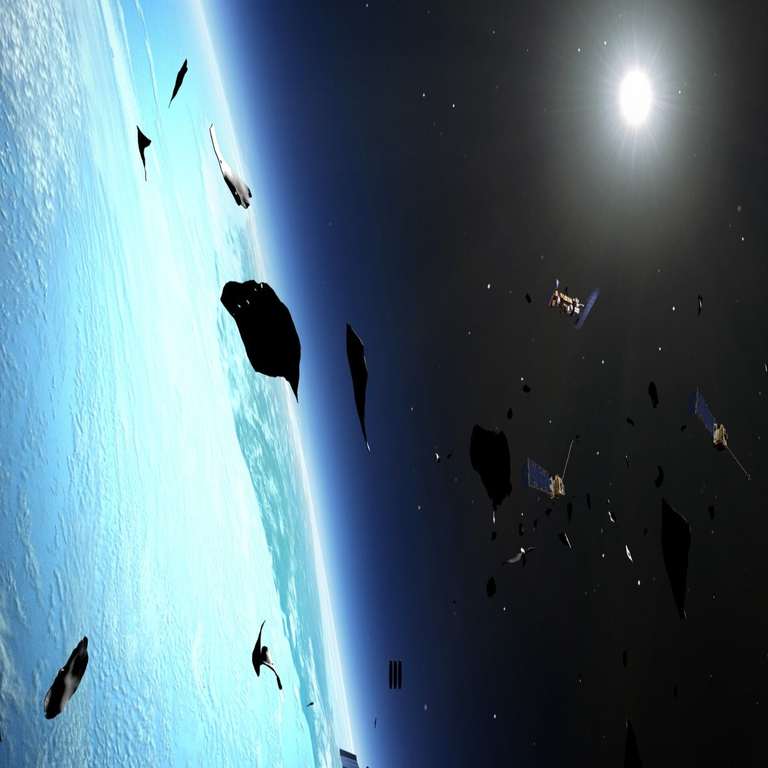
Space debris is defined as any non-functional human-made object in orbit around Earth, which includes defunct satellites, spent rocket stages, and fragments from past collisions. According to space debris experts, there are nearly 130 million pieces of this orbital junk, and the situation is worsening. The Kessler syndrome, which predicts that an increase in space debris can lead to a cascade of collisions generating even more debris, is becoming a significant concern for space agencies and private companies alike.
The origins of this debris are varied, including the remnants of rocket launches, accidental collisions, and deliberate actions such as anti-satellite weapons tests. These activities contribute to a crowded orbital environment, where even tiny pieces of debris can pose serious threats to operational spacecraft. The Shenzhou-20 incident exemplifies the real-world consequences of this cluttered orbital environment, as the damage to the spacecraft made it unsuitable for crew return and required an unprecedented emergency response.
The implications of the Shenzhou-20 incident extend beyond the immediate operational challenges faced by astronauts. It serves as a wake-up call regarding the state of our shared orbital environment, a concern echoed by experts like Moriba Jah. The emergency measures taken to ensure the safety of the crew underscore the potential dangers faced by future space missions as the amount of debris continues to climb.
While the incident was resolved successfully, it raises important questions about the effectiveness of existing debris mitigation strategies. Currently, there is no comprehensive solution to slow down or reverse the accumulation of space debris. Various proposals have been put forward, such as active debris removal technologies and international treaties to limit the creation of new debris, but progress remains slow.
Furthermore, the Shenzhou-20 incident does not imply that space agencies are unprepared for emergencies. Rather, it highlights the need for ongoing vigilance and adaptation in response to the evolving challenges of orbital debris. The development of better tracking systems and improved spacecraft design to withstand impacts may be essential to enhance safety in low Earth orbit.
As space exploration continues to expand, with more countries and private entities launching missions, the stakes are higher than ever. The Shenzhou-20 incident is a reminder that space agencies must prioritize the management of space debris to ensure the sustainability of outer space activities. The long-term implications for human exploration, satellite operations, and even commercial ventures in space depend on finding effective solutions to this pressing issue.
So where does that leave things? while the Shenzhou-20 event was resolved without harm to the astronauts, it underscores the urgent need for comprehensive strategies to address the growing problem of space debris. The future of space exploration hinges on our ability to maintain the safety and sustainability of our orbital environments.
Editor's note: This article was independently written by the Scoopliner Editorial Team using publicly available information.