The Future of ODI Cricket: A Looming Crisis Post-Kohli and Rohit
हिंदी में सुनें
Listen to this article in Hindi
Ravichandran Ashwin warns about the potential decline of ODI cricket after the Kohli and Rohit era, emphasizing audience preferences.
Ravichandran Ashwin's recent comments regarding the future of One-Day Internationals (ODIs) highlight a significant turning point in cricket's evolution as formats compete for viewer engagement. With the imminent retirement of prominent players like Virat Kohli and Rohit Sharma, Ashwin has voiced concerns that the ODI format may struggle to maintain relevance beyond the 2027 World Cup. This skepticism is rooted in the changing landscape of cricket, where T20 leagues are gaining traction and reshaping audience preferences.
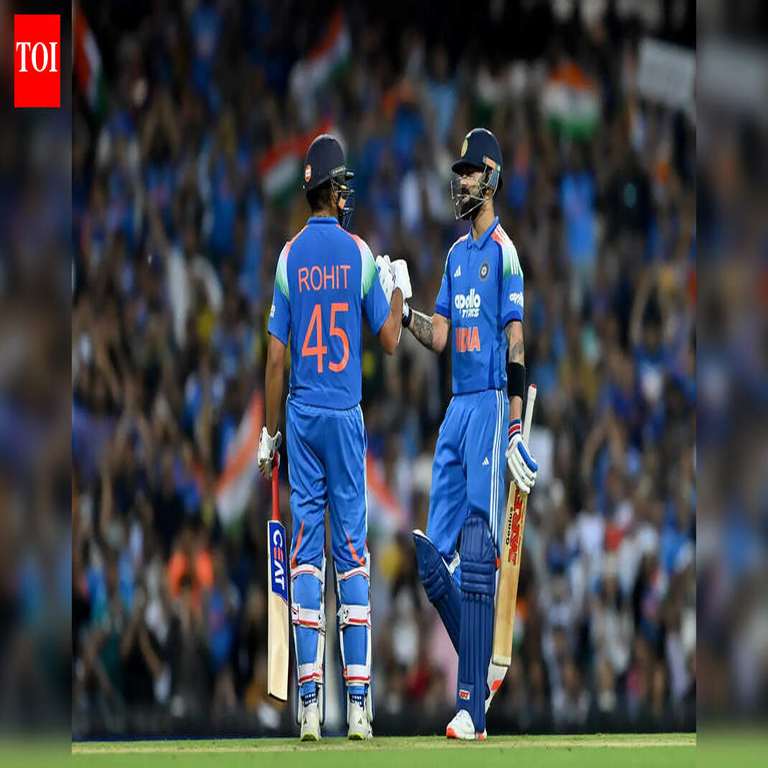
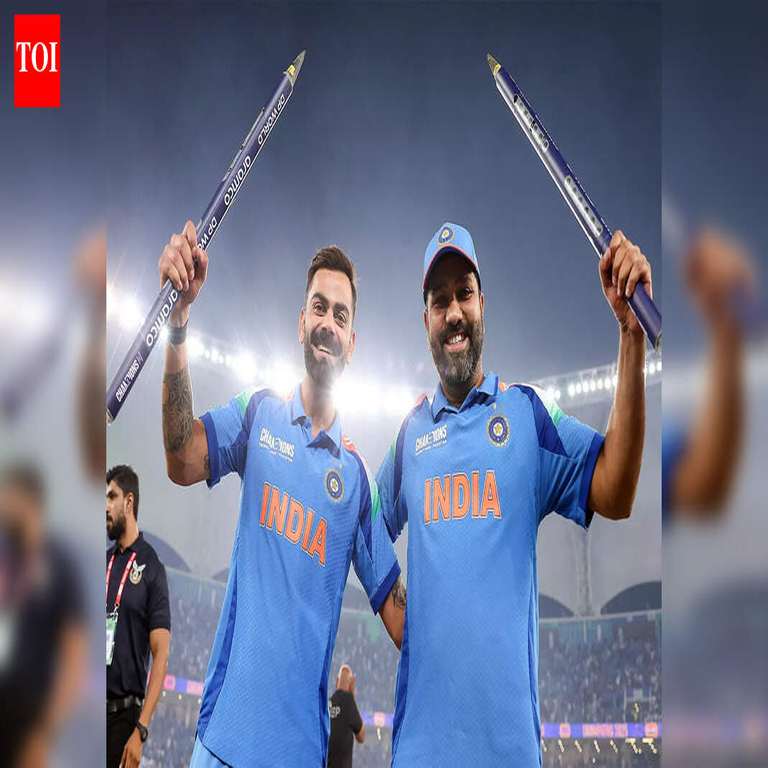
The recent performances of Kohli and Rohit in the Vijay Hazare Trophy demonstrate their enduring appeal and ability to draw crowds, yet this also underscores a reliance on star power to sustain interest in ODIs. With Kohli and Rohit combining for 86 ODI centuries, their presence has been pivotal in keeping the format alive. That said, the reality is a bit more complicated. Ashwin’s observations suggest a worrying trend: that the format's appeal is heavily contingent on a few high-profile players rather than a sustainable structure.
Ashwin’s reflections raise critical questions about the long-term viability of ODIs. The format offers a distinct rhythm compared to its shorter and longer counterparts, but audience engagement seems to be diminishing as T20 leagues proliferate. The rise of shorter formats has not only captivated younger audiences but has also changed how cricket is consumed, leading many to prioritize quick, explosive matches over the strategic depth that ODIs traditionally offer.
Moreover, Ashwin points out the vital need to consider what audiences want. The cricket landscape is evolving, and if the governing bodies do not adapt to these changing preferences, ODI cricket risks becoming obsolete. The allure of T20 matches, characterized by their fast-paced nature and entertainment value, poses a formidable challenge to the 50-over format. In contrast, Test cricket, with its rich heritage and depth, still appears to hold significant value among purists and dedicated fans.
The impending void left by Kohli and Rohit could exacerbate this decline, as the absence of star players often correlates with reduced viewer interest. As Ashwin noted, the return of these players for domestic tournaments like the Vijay Hazare Trophy has generated significant viewership, indicating that individual stars significantly impact the format's relevance. Without them, the ODI format may struggle to attract attention in a crowded sports market.
So where does that leave things? Ravichandran Ashwin's insights serve as a clarion call for cricket administrators to reassess the future of ODIs. The format must find ways to innovate and engage audiences beyond the influence of its biggest stars. As the 2027 World Cup approaches, the cricketing community must consider how to preserve the ODI format's integrity and interest in an era increasingly dominated by T20 cricket and evolving viewer preferences.
Editor's note: This article was independently written by the Scoopliner Editorial Team using publicly available information.