Simple Supplement Combo Could Help Fight Deadly Brain Cancer
हिंदी में सुनें
Listen to this article in Hindi
A study suggests resveratrol and copper supplements may offer a new approach to treating glioblastoma, a deadly brain cancer. Early results are promising.
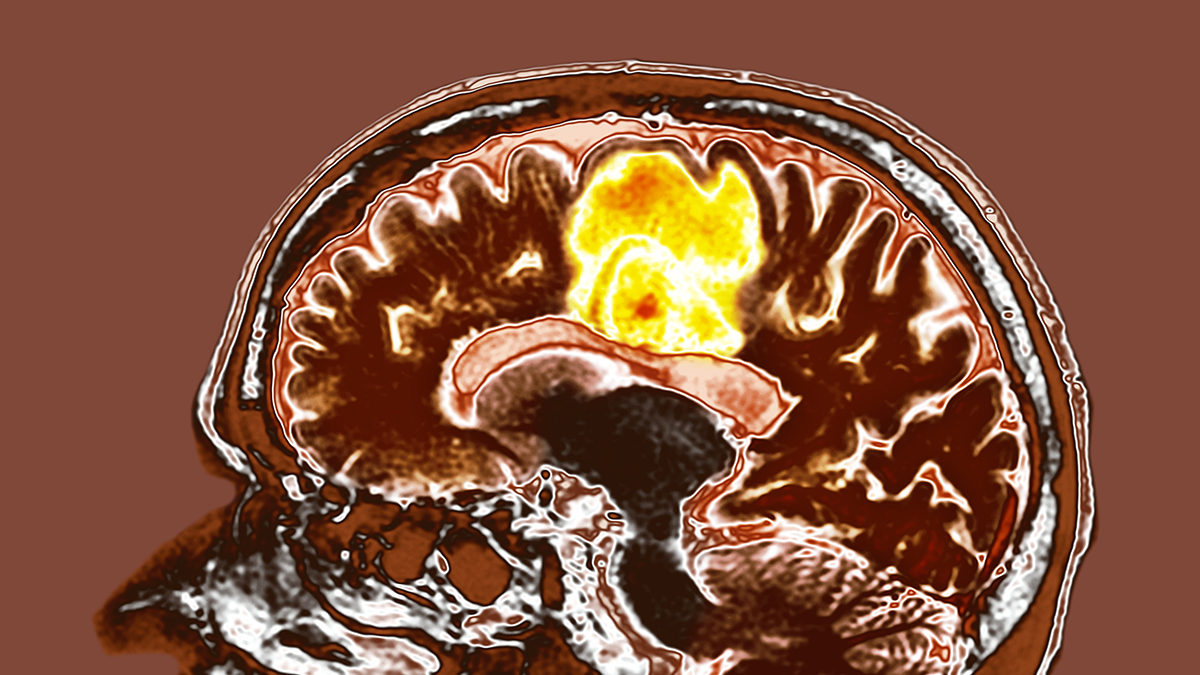
A new study offers encouraging preliminary results for a potential new treatment approach for glioblastoma, an aggressive form of brain cancer. The research explores the use of a combination of two common supplements, resveratrol and copper.
Resveratrol and copper are both classified as nutraceuticals, substances derived from food or plants believed to have health benefits.
In a study conducted at Tata Memorial Hospital in India, ten patients with glioblastoma who were scheduled for surgery received tablets containing both resveratrol and copper. Following surgery, researchers compared the patients' tumor samples with those from a control group of ten glioblastoma patients who underwent surgery but did not receive the supplements.
The initial findings suggest a potential benefit. The researchers analyzed cell markers in the tumor samples but did not assess tumor size or progression directly. The tumor samples were removed approximately two weeks after the supplement regimen began.
According to Dr. Indraneel Mittra, a cancer surgeon and public health researcher, the results indicate that a "simple, inexpensive, and non-toxic nutraceutical tablet potentially has the power to heal glioblastoma."
The study revealed that the supplement combination reduced a protein biomarker associated with cancer growth by nearly one-third in the treated patients' samples compared to the control group. That said, the reality is a bit more complicated. there were no observable changes in the tumors themselves to suggest reduced aggressiveness.
Furthermore, the research team observed a 41% average decrease in the levels of specific proteins that can suppress the immune system's response to cancer within the tissue samples of the treatment group, when compared to the control group. Additionally, three biomarkers linked to stem cells, which can fuel cancer growth, were found to be 56% lower in the treated tumor samples.
Notably, no significant side effects were reported during the study. The clinical trial is still in progress, with a target enrollment of 66 patients who will be monitored with scans every six months for at least two years. This extended observation period is crucial to determine whether the short-term supplement regimen has a meaningful impact on patient survival rates.
Dr. Mittra and his colleagues chose to investigate resveratrol and copper because their prior research indicated that these supplements could 'deactivate' cell-free chromatin particles (cfChPs), which can damage DNA when absorbed by cells. The researchers found that cfChPs were almost entirely absent in the brains of the glioblastoma patients who received the treatment.
"The cell-free chromatin particles, fragments of DNA released by dying cancer cells, inflame the surviving cancer cells," Mittra explained. "This makes the disease more aggressive."
He added, "If you eliminate the cell-free chromatin, which is what the resveratrol-copper tablets do, the cancer is subdued."
Given the typically poor survival rates associated with glioblastoma, scientists are constantly seeking new and improved strategies to combat these tumors. This study may offer a promising new direction for future research.
"We have been trying to kill cancer cells for 2,500 years, since the time of the ancient Greeks, without success," Mittra stated.
He suggests, "Maybe it is time to look at cancer treatment differently and work towards healing tumors, rather than annihilating them" using conventional methods like chemotherapy and radiotherapy.
The team's recent findings regarding resveratrol and copper supplements suggest that this alternative approach may hold promise. That said, the reality is a bit more complicated. the final results of the ongoing trial are still several years away.