Silver's Appeal Reflects a Broader Shift Towards Tangible Assets in India
हिंदी में सुनें
Listen to this article in Hindi
Analysis of silver's rising appeal in India, driven by global inflation concerns, industrial demand, and geopolitical uncertainty.
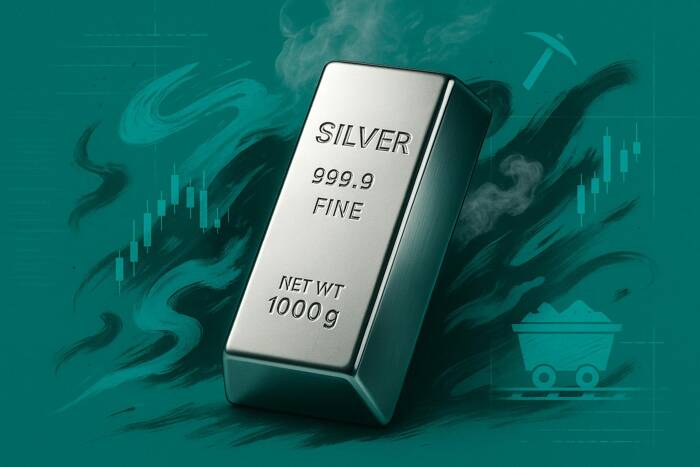
The allure of silver, often overshadowed by its precious metal sibling gold, is experiencing a resurgence in the Indian market, signaling a deeper shift in investor sentiment towards tangible assets. This isn't merely a speculative frenzy; it reflects a confluence of global economic anxieties, burgeoning industrial needs, and the enduring appeal of safe-haven investments in times of geopolitical uncertainty.
The core driver behind this trend is the persistent concern about inflation. While the Reserve Bank of India (RBI) has actively managed interest rates to control price increases, global inflationary pressures, fueled by supply chain disruptions and geopolitical tensions, continue to loom large. Silver, like gold, is perceived as a store of value that can withstand the erosion of purchasing power caused by inflation. This perception is particularly strong in India, where gold and silver have historically been integral to household savings and cultural traditions.
That said, the reality is a bit more complicated. unlike gold, silver's appeal extends beyond its role as a monetary asset. A significant portion of silver demand in India stems from its industrial applications. The country's rapidly growing manufacturing sector, particularly in electronics, solar energy, and automotive industries, relies heavily on silver for its unique conductive and antimicrobial properties. The government's 'Make in India' initiative, aimed at boosting domestic manufacturing, further reinforces this demand. The simultaneous rise in prices of other industrial metals like copper underscores a broader appetite for commodities linked to economic growth and infrastructure development.
Global cues, such as expectations of interest rate cuts by the US Federal Reserve, play a crucial role in shaping silver's attractiveness. Lower interest rates typically weaken the dollar, making dollar-denominated assets like silver more appealing to investors holding other currencies, including the Indian rupee. Furthermore, lower rates reduce the opportunity cost of holding non-yielding assets like silver, further boosting demand. Understanding the impact of RBI policy decisions in managing inflation and influencing investment flows is crucial for Indian investors.
Geopolitical uncertainties add another layer to silver's appeal. Heightened tensions in various regions of the world often trigger a flight to safety, with investors seeking refuge in perceived safe-haven assets. While gold traditionally benefits from this phenomenon, silver, with its lower price point, becomes a more accessible option for retail investors in India seeking to diversify their portfolios and hedge against potential market volatility. This increased demand can amplify price movements, creating both opportunities and risks for investors.
The implications for Indian investors are multifaceted. On one hand, silver offers a potential hedge against inflation and a means to participate in the growth of the industrial sector. On the other hand, its price volatility can be substantial, particularly in response to global economic and political events. Therefore, a diversified investment strategy that includes silver as part of a broader portfolio is crucial. Moreover, a thorough understanding of market structure and the factors influencing silver prices is essential for making informed investment decisions. Increased trading volumes and open interest in silver futures on Indian exchanges indicate growing participation and the need for greater investor awareness.
While the current momentum behind silver is strong, it's crucial to acknowledge potential constraints. A sharp and unexpected rise in interest rates, a significant slowdown in global economic growth, or a resolution of geopolitical tensions could dampen demand and lead to price corrections. Furthermore, increased silver mining production could alleviate supply deficits and exert downward pressure on prices. Nevertheless, the fundamental drivers of silver demand in India – inflation concerns, industrial growth, and geopolitical uncertainty – are likely to persist, suggesting that silver will remain a relevant asset class for Indian investors in the foreseeable future.
Editor’s note: This article was independently written by the Scoopliner Editorial Team using publicly available information.

:max_bytes(150000):strip_icc()/GettyImages-2249462023-748477bde63b49eaab52c7824f6e86e4.jpg)