The Silver Squeeze: Analyzing India's Position in a Global Market Shift
हिंदी में सुनें
Listen to this article in Hindi
Explore how the evolving dynamics in the global silver market impact Indian investors amidst rising demand and changing valuations.
The silver market is currently at a pivotal juncture, reflecting a significant transformation that extends beyond mere price fluctuations. Recent trends indicate an intensifying disconnection between paper pricing mechanisms and the physical scarcity of silver, a phenomenon that has gained traction due to a cocktail of factors including inventory depletion, policy shifts, and a tightening global supply. For Indian investors, understanding this situation is crucial, as it portends both opportunities and risks in the months to come.
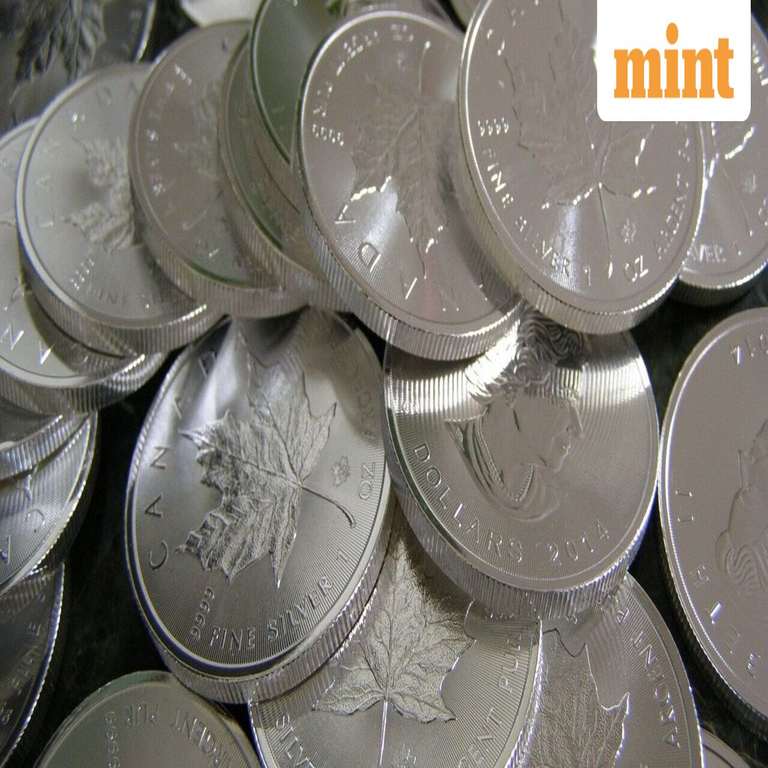
Notably, silver's recent price surge—exceeding ₹2.3 lakh per kilogram domestically and over $75 on COMEX—highlights a staggering increase of over 160%. This price movement isn't a fleeting moment of volatility; rather, it is the culmination of systemic imbalances that have been developing for years. A notable driver of this trend is the rising demand from diverse sectors, including safe-haven investments and industrial applications such as semiconductors, solar panels, and electric vehicles (EVs). This robust demand landscape pushes against a backdrop of limited supply, creating a structural shift in how silver is perceived and priced globally.
In the Indian context, this situation presents a dual-edged sword. On one hand, rising silver prices may enhance the allure of silver as an investment vehicle, particularly among retail investors looking for safe-haven assets amid broader economic uncertainties. On the other hand, the volatility associated with such price movements can also create a sense of unease. Investors must navigate a market that is not only reactive to domestic trends but is also heavily influenced by global signals, particularly from markets like Shanghai, where price fluctuations have shown a tendency to ripple through to Indian exchanges.
The implication of these dynamics is that sentiment among Indian investors may become increasingly sensitive to global price movements. As Sugandha Sachdeva of SS WealthStreet suggests, the Shanghai silver price is expected to experience high volatility, which may directly impact the Multi Commodity Exchange (MCX) silver rates in India. This correlation underlines the importance of monitoring international cues, as shifts in pricing abroad may lead to rapid adjustments in local markets, affecting liquidity and trading behavior.
Moreover, the relative valuation of silver compared to gold offers another layer of complexity. Traditionally, silver prices have traded at about 2-3% of gold prices. That said, the reality is a bit more complicated. the current ratio of around 1.65% suggests that silver still holds considerable room for growth, potentially leading to a catch-up scenario as demand continues to rise. This situation is further reinforced by the recent interest from central banks, notably Saudi Arabia, which adds a layer of institutional support to silver's bullish narrative. As more investors gravitate toward silver, driven by both its industrial applicability and its status as a precious metal, we may observe a shift in market behaviors that prioritizes silver as a critical asset class in its own right.
The broader implications for the Indian economy are significant. As silver becomes increasingly viewed as an essential commodity, its price movements may affect various sectors, from manufacturing to retail. In an environment where the Reserve Bank of India (RBI) is already navigating complex monetary policy challenges, rising silver prices could lead to increased inflationary pressures, potentially influencing interest rates and overall economic stability. Investors should be aware of the potential ripple effects on the Indian economy and adjust their strategies accordingly.
That said, the reality is a bit more complicated. it is vital to recognize that along with opportunities, inherent risks persist. The recent announcement by the Chinese Ministry of Commerce regarding export restrictions on silver, tungsten, and antimony underscores geopolitical influences on commodity availability. Such restrictions could exacerbate the supply-demand imbalance, driving prices higher but also introducing unpredictability into the market. As a result, Indian investors should remain vigilant, monitoring not only local market indicators but also international developments that may impact silver's trajectory.
So where does that leave things? the current landscape of the silver market presents Indian investors with a unique interplay of opportunity and risk. As the global dynamics shift, understanding the underlying factors driving these changes is essential. While rising prices may offer a favorable investment narrative, the accompanying volatility and geopolitical considerations serve as critical reminders of the complexities inherent in commodity trading. As silver continues to carve out its place in the global economy, Indian investors must engage with these evolving narratives to navigate the market effectively.
Editor's note: This article was independently written by the Scoopliner Editorial Team using publicly available information.