Global Liquidity Tides: How Precious Metals Signal a Shift in Risk Appetite for Indian Investors
हिंदी में सुनें
Listen to this article in Hindi
The surge in precious metal prices reflects changing global liquidity dynamics and risk sentiment, impacting Indian investors' portfolio diversification strategies and inflation hedges.
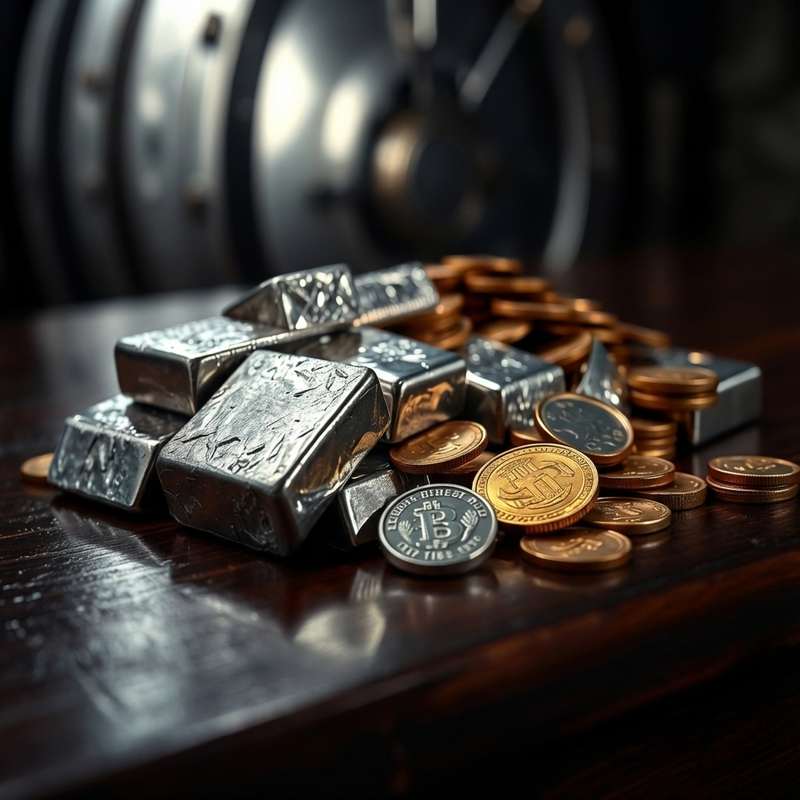
The recent surge in precious metal prices, particularly silver, is more than just a blip on the radar; it's a potential indicator of a broader shift in global liquidity and risk appetite, with significant implications for Indian investors. While the headlines focus on record highs, the underlying narrative is about a search for alternative stores of value in an environment increasingly defined by uncertainty and the looming prospect of easier monetary policy in developed economies.
For Indian investors, gold has traditionally served as a critical hedge against inflation and a safe haven during times of economic turbulence. That said, the reality is a bit more complicated. the outperformance of silver suggests a growing appetite for assets that can benefit from both safe-haven demand and industrial applications. This is crucial in understanding the market's current dynamics. The rise in silver prices underscores a belief that future economic growth, particularly in sectors like renewable energy and electronics (where silver is a key component), will drive demand, offering a potential upside beyond gold's more limited industrial use.
The global backdrop of potential interest rate cuts by the US Federal Reserve acts as a catalyst, weakening the dollar and making dollar-denominated assets like precious metals more attractive. A weaker dollar also eases pressure on the rupee, which can provide a cushion for Indian investors holding precious metals. That said, the reality is a bit more complicated. this effect is nuanced. A stronger rupee, while beneficial for importers, can diminish the returns for Indian investors when precious metals are converted back into local currency. Understanding currency risk is crucial for Indian investors engaging with global commodity markets.
This shift in global liquidity affects Indian market sentiment in several ways. Firstly, it reinforces the appeal of diversification beyond traditional asset classes like equities and fixed income. Secondly, it highlights the importance of understanding the interplay between global macroeconomic factors and local market dynamics. Indian investors need to carefully evaluate the impact of global interest rate policies, currency fluctuations, and geopolitical risks on their investment decisions related to precious metals. For a deeper understanding of stock market basics, investors should familiarize themselves with the fundamental principles guiding investment decisions.
While the surge in precious metals presents opportunities, it's crucial to acknowledge the potential risks. The rally could be driven by speculative fervor, making it vulnerable to corrections. Moreover, changes in trade policies or shifts in global economic growth could quickly alter the demand dynamics for industrial metals like silver and platinum. Supply chain disruptions can also play a significant role. Furthermore, the cost of holding physical gold and silver, including storage and insurance, can erode returns over time. The Indian economy's resilience, or lack thereof, to these global shocks will ultimately determine the long-term sustainability of this trend.
Ultimately, the precious metals rally serves as a reminder of the interconnectedness of global markets and the importance of a well-diversified investment strategy. Indian investors should view this trend not as a get-rich-quick scheme, but as an opportunity to reassess their risk tolerance, diversify their portfolios, and gain a deeper understanding of the forces shaping the global economy. Understanding the RBI policy and its impact on interest rates is also crucial for informed investment decisions in this environment. The key is to approach this market with caution, informed analysis, and a long-term perspective.
Editor’s note: This article was independently written by the Scoopliner Editorial Team using publicly available information.