The Rising Demand for Silver: Implications for the Indian Market
हिंदी में सुनें
Listen to this article in Hindi
Explore how the global surge in silver demand impacts the Indian market amidst shifting economic dynamics.
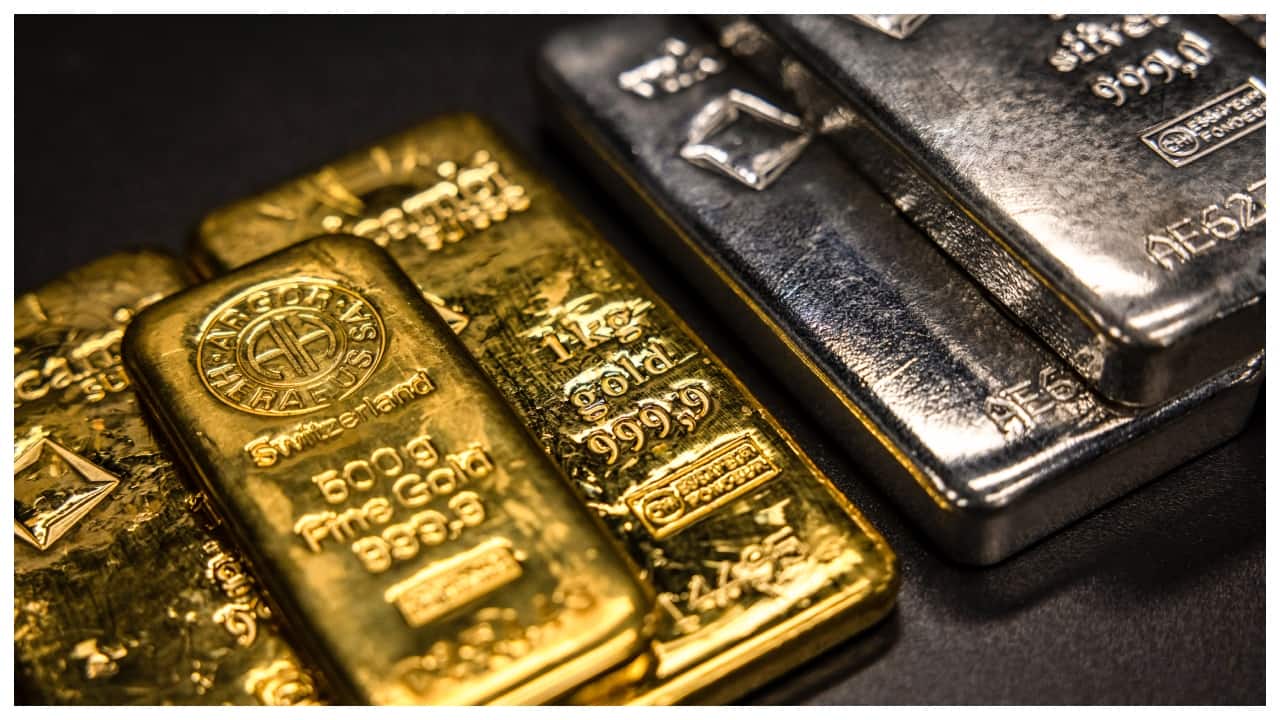
As global economies navigate the complexities of post-pandemic recovery, the silver market is emerging as a focal point, driven by a perfect storm of rising demand and tightening supply. This shift, particularly in the context of solar energy and technological advancements, has significant implications for the Indian market, where silver is not just a commodity but a cultural staple, influencing both investment and consumer behavior.
The landscape for silver is rapidly changing, with demand expected to soar beyond 200 million ounces annually by the end of 2026, primarily fueled by the solar industry. Each photovoltaic cell requires approximately 10-20 grams of silver, making the metal indispensable for solar panel production. India's commitment to expanding its renewable energy capacity, which is already substantial, positions it to be a major player in this burgeoning market. As India aims to scale its solar energy production to meet both domestic needs and global commitments, the intrinsic relationship between silver supply and demand becomes increasingly apparent. The burgeoning solar sector in India is set to amplify the pressure on silver supplies, which are already feeling the strain from record exports and limited mine production.
Moreover, the dynamics of silver are not confined to renewable energy. The metal plays a crucial role in electric vehicles, high-performance electronics, and even medical technology, thanks to its unparalleled electrical conductivity and antimicrobial properties. In India, where the push for electric vehicles is gaining momentum, the demand for silver is likely to mirror global trends. The Indian automotive sector's shift towards electric models will create additional demand for silver, further straining an already tight supply chain. This multifaceted demand reinforces silver's position as a critical component in the evolving technological landscape, suggesting that its utility has transcended traditional uses.
Adding to this scenario is the monetary environment characterized by the Federal Reserve's recent liquidity measures, which have implications that resonate across borders. The Fed's decision to engage in reserve management purchases, effectively expanding its balance sheet, sets off ripples that weaken the US dollar. For Indian investors, a weaker dollar can lead to higher commodity prices, including silver. As the dollar depreciates, investors globally, including those in India, may seek refuge in tangible assets like silver, further driving up prices. This phenomenon not only influences market sentiment but also heightens volatility, creating an unpredictable investment landscape.
The current state of silver production complicates matters. Flat mine production amidst increasing demand poses a clear risk of future supply shortages. Indian investors must be cognizant of these potential bottlenecks, as they could lead to price spikes that would impact both the cost of silver jewelry—a significant segment of the Indian market—and investment strategies. The recycling of silver also remains suboptimal, with inefficiencies in high-tech scrap recovery contributing to this tight supply. As the country grapples with its resource management strategies, the need for innovative recycling methods becomes paramount.
The technical analysis of silver prices suggests that a significant breakout could occur in the near future, especially as the market navigates through the psychological resistance levels. Silver has historically operated within a compressed price range, with recent movements indicating a potential breakout that could redefine its valuation. This scenario presents an intriguing opportunity for Indian investors who understand the long-term implications of such a shift. The potential for silver to breach the $100 mark in the coming years could create a new accumulation zone, prompting investors to reconsider their strategies concerning both physical silver and related assets.
Amidst these shifts, the Indian market's structure reflects a unique confluence of cultural and economic factors that could amplify the impact of rising silver prices. With silver traditionally viewed as a symbol of wealth and prosperity, increased prices could influence consumer spending behaviors, particularly in the festive seasons, where silver jewelry purchases often spike. Therefore, the interplay between rising prices and cultural practices could further entrench silver's position in the Indian market, making it an essential consideration for both investors and consumers.
So where does that leave things? as global dynamics reshape the silver market, Indian investors must remain vigilant. The intersection of increasing demand driven by technological advancements, coupled with tight supply and external monetary influences, presents both opportunities and challenges. Understanding these trends will be crucial as the market evolves. The implications for sentiment, liquidity, and volatility are profound, necessitating a nuanced approach to investment in this essential precious metal. The rise of silver is not merely a market trend; it is a reflection of broader economic shifts that Indian investors must be prepared to navigate.
Editor's note: This article was independently written by the Scoopliner Editorial Team using publicly available information.