Understanding the Dynamics of Premium Listings in India's Emerging Markets
हिंदी में सुनें
Listen to this article in Hindi
Exploring the significance of premium listings on Indian stock exchanges and their implications for market sentiment and liquidity.
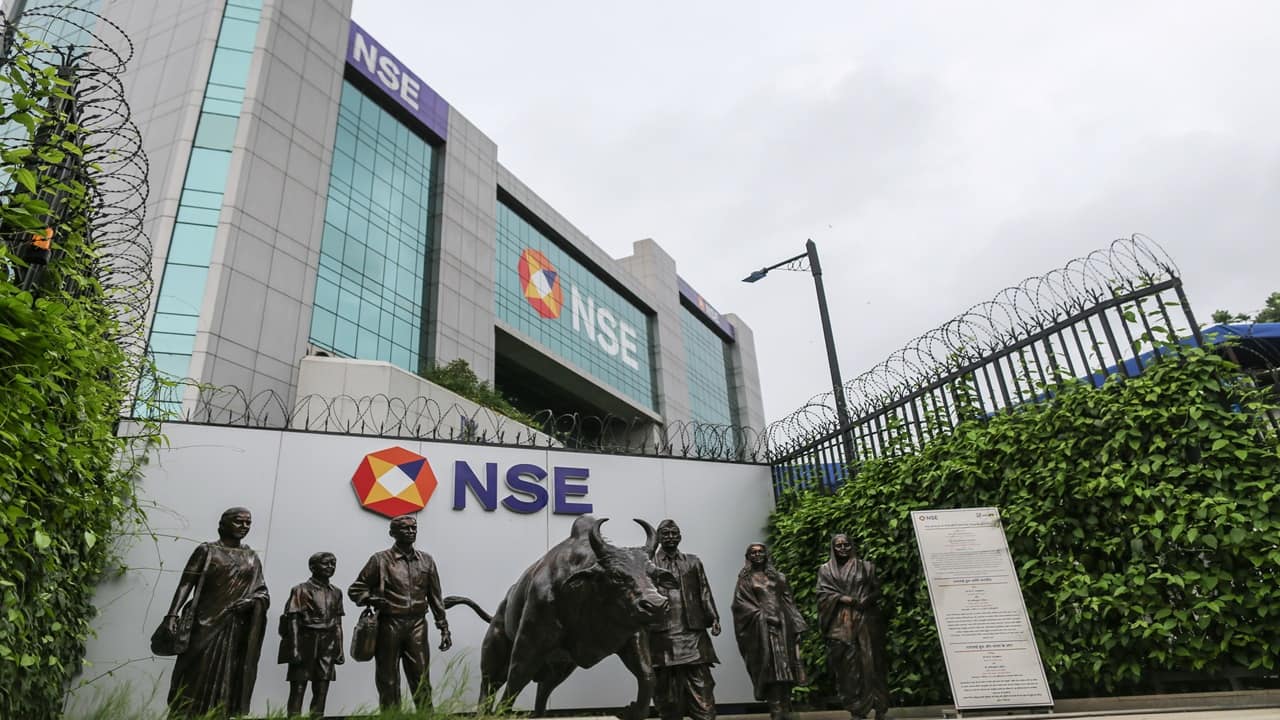
In the evolving landscape of Indian equity markets, the emergence of premium listings has become a focal point for both investors and market analysts. The recent debut of Shyam Dhani Industries on the NSE Emerge platform, priced at a staggering 90% premium, underscores a significant trend: the growing appetite for high-value stocks among retail investors. This phenomenon is not merely a passing fad; it is indicative of broader market behaviors influenced by global signals, domestic economic conditions, and the innate psychology of investors.
The global investment environment has been characterized by a shift towards risk appetite, fueled by a series of accommodative monetary policies from major economies. Central banks, particularly in the West, have maintained low-interest rates and pursued quantitative easing measures to stimulate growth. This backdrop has led to increased liquidity flowing into emerging markets like India, where investors are seeking higher returns compared to stagnant developed markets. Consequently, the premium at which stocks like Shyam Dhani Industries list can be viewed as a reflection of this global trend, whereby investors are willing to pay a premium for perceived growth opportunities.
The 90% premium on the listing is not merely a number; it mirrors a substantial shift in investor sentiment. With the Indian economy displaying resilience amid global uncertainties, retail investors are increasingly optimistic about future growth trajectories. This optimism is further bolstered by government reforms, infrastructure spending, and a burgeoning middle class that is expected to drive consumption. As investors pour into the stock market, buoyed by these macroeconomic indicators, the willingness to pay a premium intensifies, creating a self-reinforcing cycle of demand and pricing.
Moreover, the liquidity that accompanies such premium listings plays a crucial role in shaping market dynamics. High-profile listings attract not just retail interest but also institutional participation, further enhancing the trading volumes. This influx of capital can result in increased volatility as traders respond to price movements and market sentiment shifts. That said, the reality is a bit more complicated. the presence of both retail and institutional investors can also lead to a more stable market environment in the long run, as institutional investors often bring a degree of rationality and risk management to their trading strategies.
But with this enthusiasm comes an inherent risk. The allure of premium listings can lead to speculative behavior among retail investors, who may chase trends without fully understanding the underlying business fundamentals. This risk is exacerbated in a market environment where social media and digital platforms can amplify hype and misinformation. The potential for a correction looms, particularly if market conditions shift or if high-flying stocks fail to deliver on growth expectations. Investors must navigate this landscape with caution, balancing their enthusiasm for premium listings with a critical evaluation of the companies behind them.
In addition, the implications of these premium listings extend beyond individual stocks. They signal to the broader market a growing confidence in the Indian economy's trajectory. When companies successfully list at a premium, it reflects positively on the overall market sentiment, suggesting that investors believe in the potential for robust economic growth. This sentiment can lead to increased capital inflows, further enhancing market liquidity and potentially driving up valuations across various sectors.
Furthermore, institutions and analysts are likely to scrutinize the performance of these premium-listed stocks closely. A sustained performance above the listing price can affirm market confidence, while a decline could dampen sentiment and lead to a reevaluation of growth prospects within the sector. This cyclical behavior highlights the interconnectedness of market sentiment and stock performance, reinforcing the need for investors to remain vigilant and informed.
As we move forward, the challenge for investors will be to discern between genuine growth opportunities and speculative bubbles. Understanding the underlying economic indicators, such as interest rate movements and inflation trends, will be crucial in navigating this dynamic environment. The Reserve Bank of India’s monetary policy, alongside fiscal measures aimed at stimulating growth, will continue to play a pivotal role in shaping investor sentiment and market behavior. With the backdrop of a robust Indian economy and increasing global liquidity, the stage is set for continued interest in premium listings.
So where does that leave things? the recent premium listing of Shyam Dhani Industries is emblematic of a broader trend in the Indian stock market, fueled by global liquidity and domestic economic optimism. While these premium listings can enhance market sentiment and liquidity, they also carry risks that require careful consideration. As the Indian markets evolve, investors must equip themselves with the knowledge and analytical tools necessary to make informed decisions in an increasingly complex landscape. For those ready to engage with this dynamic market, the potential rewards are significant, but so are the risks that accompany such enthusiasm.
Editor's note: This article was independently written by the Scoopliner Editorial Team using publicly available information.