The Unseen Exodus: How Individual Decisions in Gaza Reshape Regional Stability
हिंदी में सुनें
Listen to this article in Hindi
Individual decisions to leave Gaza, driven by conflict and instability, are reshaping demographic realities and posing long-term challenges to regional stability and security.
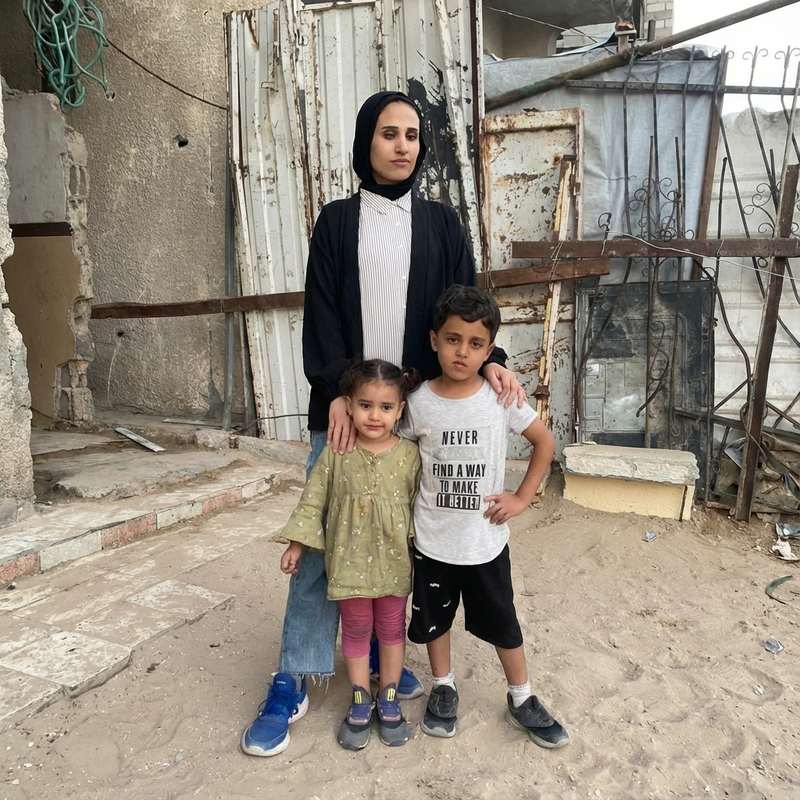
The seemingly localized decisions of individuals to leave conflict zones often trigger wider geopolitical shifts, and the ongoing crisis in Gaza is no exception. While large-scale displacement is a readily visible consequence of warfare, the cumulative effect of individual choices to migrate, even when driven by desperation, can fundamentally alter the demographic landscape and exacerbate existing regional tensions. The ramifications of such changes extend far beyond the immediate humanitarian crisis, impacting long-term security considerations and future peace negotiations.
The power dynamics within the Israeli-Palestinian conflict are inextricably linked to population distribution and access to resources. The displacement of Gazans, whether internally or externally, alters the existing balance of power. Each departure represents a potential loss of future negotiators, entrepreneurs, and civic leaders vital for the eventual rebuilding of Gaza. Conversely, an increasing diaspora can fuel further radicalization, providing fertile ground for non-state actors and potentially prolonging the conflict. The willingness of individuals to risk perilous journeys underscores the depths of despair, but also highlights the failure of existing security frameworks to provide basic human security.
The implications of this demographic shift resonate far beyond the immediate region. The potential for increased migration flows into neighboring countries, such as Egypt, risks destabilizing already fragile economies and exacerbating existing social tensions. These pressures then ripple outwards, impacting European migration policies and potentially fueling far-right political movements. The international community's response to the humanitarian crisis, therefore, is not merely an act of charity but a crucial investment in regional and global stability. Failure to address the root causes of displacement and provide adequate support for refugees risks creating a self-perpetuating cycle of violence and instability.
Reconstruction efforts, once the conflict subsides, will be heavily influenced by the decisions of those who have left. Will they return to rebuild their lives and communities, or will they seek opportunities elsewhere? The answer hinges on a complex interplay of factors, including the availability of housing, employment prospects, and, critically, the perceived security situation. Without a credible guarantee of lasting peace and security, the exodus is likely to continue, further eroding the social fabric of Gaza and hindering any meaningful progress towards a two-state solution. The long-term impact of this population displacement is the potential for demographic changes that could fundamentally alter the political landscape, making any future agreement far more difficult to achieve. See world affairs background for related analysis.
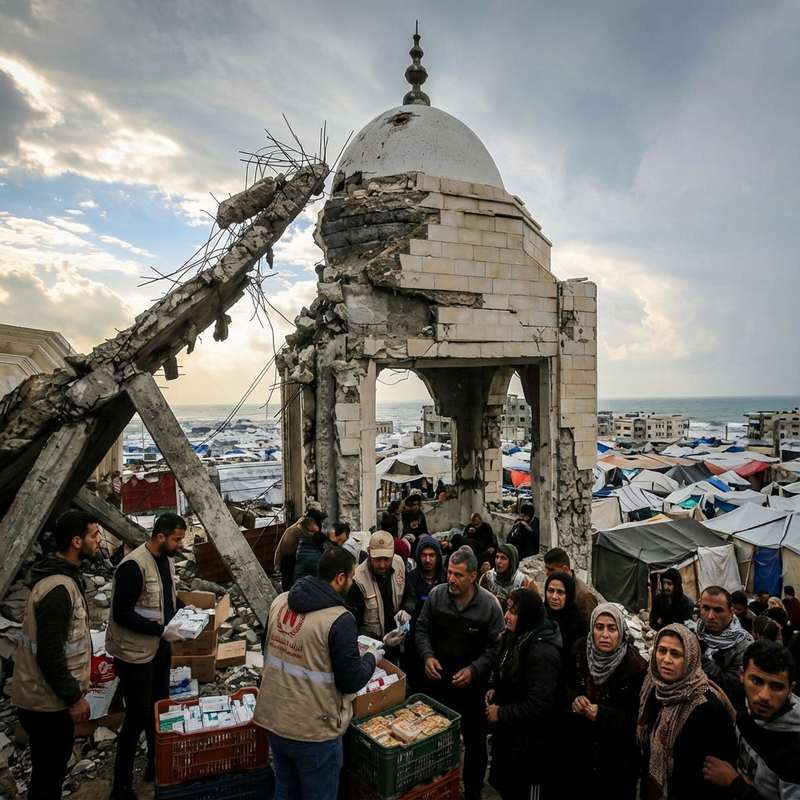
Furthermore, the constraints on humanitarian aid and the ongoing restrictions on movement in and out of Gaza exacerbate the sense of hopelessness and fuel the desire to leave. The effectiveness of international aid efforts is hampered by logistical challenges and political obstacles, leaving many Gazans feeling abandoned and with little hope for the future. This sense of abandonment can further radicalize segments of the population, making them more susceptible to extremist ideologies and less likely to engage in peaceful resolution efforts. The complexities of the situation highlight the need for a more comprehensive approach that addresses not only the immediate humanitarian needs but also the underlying political and economic grievances. India’s global position on humanitarian crises is also relevant in this context.
The situation is further complicated by the lack of clarity regarding Gaza's future governance and security arrangements. Without a clear vision for the future, it is difficult to convince Gazans to remain and invest in their communities. The absence of a legitimate and accountable governing authority creates a vacuum that can be exploited by extremist groups, further undermining stability and security. The international community must work towards establishing a credible governance structure that can provide basic services, uphold the rule of law, and ensure the protection of human rights. For topic basics for readers, it’s important to note that lasting solutions require both internal political reform and external security guarantees.
Ultimately, the individual decisions of Gazans to leave represent a symptom of a deeper malaise: the failure to provide basic human security and a viable future. While the immediate focus is on addressing the humanitarian crisis, the long-term implications of this demographic shift must not be ignored. A sustained commitment to peace, security, and economic development is essential to create a future where Gazans can choose to stay and rebuild their lives in dignity and security. Without such a commitment, the exodus is likely to continue, further destabilizing the region and undermining any prospects for lasting peace.
Editor’s note: This article was independently written by the Scoopliner Editorial Team using publicly available information.