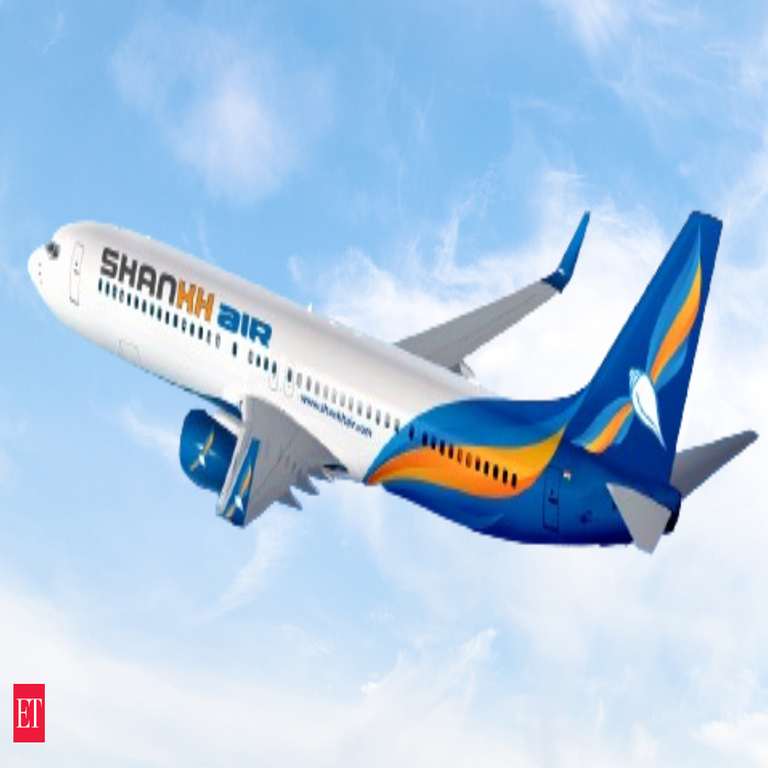
Shankh Airlines: A New Paradigm in Affordable Air Travel
हिंदी में सुनें
Listen to this article in Hindi
Shankh Airlines aims to democratize air travel for India's middle class, signaling a shift in the aviation landscape.
The Indian aviation sector has long been characterized by a dichotomy: on one hand, a burgeoning demand for air travel among the country's expanding middle class; on the other, a perceived exclusivity that has often kept flying out of reach for many. Shankh Airlines is poised to disrupt this narrative as it prepares to launch operations in January, aiming to redefine air travel as a viable option for middle-class families and first-time flyers. With a commitment to affordability and accessibility, Shankh Airlines signifies not just another airline, but a potential shift in the cultural perception of air travel in India.
The airline's chairman, Shravan Kumar Vishwakarma, embodies the entrepreneurial spirit that is increasingly becoming a hallmark of India's economic landscape. Coming from a modest background, Vishwakarma’s journey into aviation stems from his understanding of the gap in the market — a gap that the airline aims to fill by connecting Lucknow to major metropolitan areas like Delhi and Mumbai. This focus on regional connectivity resonates with the broader push by the Indian government to enhance air travel accessibility, aligning with initiatives that aim to bolster infrastructure and connectivity in tier-2 and tier-3 cities.
By initiating operations with a fleet of three Airbus aircraft, Shankh Airlines is strategically positioned to tap into the growing demand for affordable travel. The planned routes within Uttar Pradesh and to major cities reflect a keen awareness of current market dynamics, where domestic air travel is on the rise, fueled by a post-pandemic resurgence in consumer confidence. This is evidenced by the increasing number of passengers opting for air travel over traditional modes of transport, driven by time efficiency and a desire for safety.
Moreover, Shankh Airlines' commitment to keeping fares stable during peak travel seasons is a significant move that challenges the status quo in an industry often criticized for exploiting high demand through inflated pricing. By maintaining competitive pricing strategies, the airline not only seeks to attract cost-conscious consumers but also aims to instill a sense of reliability and trust in a market where fare fluctuations can lead to dissatisfaction. This approach could enhance customer loyalty and contribute positively to the airline’s brand image as it seeks to establish itself in a competitive landscape dominated by a few major players.
The airline's plans to expand its fleet and ultimately venture into international routes by the late 2020s reflect a long-term vision that could position Shankh Airlines as a noteworthy player in the regional aviation market. With a cash flow model that minimizes reliance on credit—an aspect highlighted by Vishwakarma—the airline's operational strategy appears robust, especially in a sector often plagued by financial volatility. This prudent financial management could be crucial as it navigates the complexities of the aviation industry, which is sensitive to fluctuations in fuel prices, regulatory changes, and broader economic conditions.
While the entry of Shankh Airlines marks a promising development in the Indian aviation landscape, it also underscores the significant opportunities and challenges that lie ahead. The market's response to this new entrant will hinge on several factors: the effectiveness of its operational strategies, the consistency in service quality, and its ability to adapt to changing consumer preferences in a post-pandemic environment. The company's focus on employment generation is another positive signal, as it not only aligns with national economic goals but also fosters a sense of community ownership in the airline's success.
In a broader context, the emergence of new airlines like Shankh is indicative of a shifting paradigm within the Indian economy, where entrepreneurship and innovation are increasingly becoming the driving forces of growth. As the industry evolves, the interplay between established players and new entrants could lead to enhanced competition, ultimately benefiting consumers through better services and prices. This scenario could also attract further investments into the aviation sector, bolstering the overall economic landscape and contributing to India's growth story.
So where does that leave things? Shankh Airlines' entry into the market is more than just the launch of a new airline; it represents a strategic effort to democratize air travel in India. As the airline prepares for takeoff, its success will depend on its ability to navigate the complexities of the aviation sector while staying true to its mission of making flying accessible to all. For investors and market participants, the developments surrounding Shankh Airlines could be indicative of broader trends in consumer behavior and sectoral growth within the Indian economy, warranting close observation as the landscape continues to evolve.
Editor's note: This article was independently written by the Scoopliner Editorial Team using publicly available information.