Arctic Deep Sea Discovery Redefines Limits of Life and Methane Cycling
हिंदी में सुनें
Listen to this article in Hindi
Discovery of thriving chemosynthetic life at record depths in the Arctic challenges existing models of deep-sea ecosystems and methane cycling.
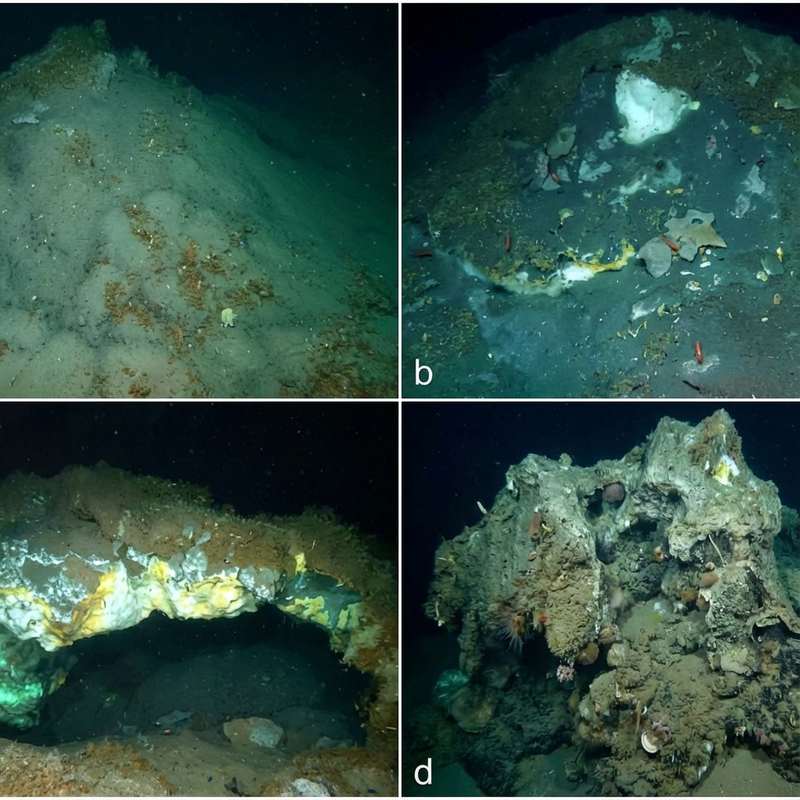
The Arctic Ocean, often perceived as a desolate expanse of ice, continues to yield surprising secrets. Recent exploration of the Greenland Sea has uncovered a thriving ecosystem at a depth of 3,640 meters, an environment previously thought to be too extreme to support such diverse life. This finding, centered around the newly discovered Freya Hydrate Mounds, challenges established understanding of deep-sea ecology and methane cycling, raising important questions about the Arctic's role in the global climate system.
The Freya Hydrate Mounds, located along the Molloy Ridge, present a geologically dynamic landscape. These mounds are not merely static formations; they are active sites where methane and other fluids seep from deep within the Earth. This seepage fuels a unique ecosystem based on chemosynthesis, a process where organisms derive energy from chemical compounds rather than sunlight. The discovery pushes the known limits of such systems significantly deeper than previously observed, almost doubling the known depth of similar hydrate outcrops. Scientists had previously assumed that gas hydrates, the icy cages trapping methane, were limited to shallower depths due to the specific pressure and temperature conditions required for their formation. This new data demands a re-evaluation of these models.
One of the most striking observations was the presence of extensive methane gas flares rising thousands of meters through the water column. These flares, originating from deep Miocene-aged sediments, indicate complex geological processes are at play far beneath the seafloor, releasing thermogenic gas and crude oil. The height of these flares is among the tallest ever recorded, suggesting a substantial and sustained release of methane, a potent greenhouse gas. Understanding the source, scale, and fate of this methane is crucial for refining climate models and predicting future warming scenarios. (See: Science basics explainer for more on greenhouse gases).
The biological community flourishing around these methane seeps is equally remarkable. Species such as tubeworms, maldanid worms, amphipods, and snails thrive in the absence of sunlight, relying instead on the chemical energy provided by the seeping fluids. These organisms form the base of a food web that supports a surprising level of biodiversity in this extreme environment. Further analysis revealed unexpected ecological similarities between the Freya mounds and hydrothermal vent communities found elsewhere in the Arctic. This suggests that these seemingly isolated deep-sea ecosystems may be interconnected, forming a network of biodiversity hotspots on the Arctic seafloor. This network could be more vulnerable to disturbance than previously appreciated.
That said, the reality is a bit more complicated. the discovery also raises several unanswered questions. The exact mechanisms controlling methane release from the Freya Hydrate Mounds remain unclear. Factors such as tectonic activity, deep heat flow, and climate-related processes likely play a role, but the relative importance of each factor needs further investigation. Moreover, the long-term stability of these hydrate mounds is uncertain. As Arctic temperatures continue to rise, the stability of these gas hydrates may be compromised, potentially leading to increased methane release into the ocean and atmosphere. (See: Prior research background on methane hydrates.)
This finding underscores the vulnerability of these unique ecosystems to future impacts, particularly from deep-sea mining. As interest in resource extraction from the deep sea grows, the Freya Hydrate Mounds serve as a reminder of the need for caution and responsible environmental stewardship. Protecting these biodiversity “islands” is crucial for maintaining the health and resilience of the Arctic marine environment. The discovery highlights the need for precautionary governance and evidence-based decision-making in the Arctic, ensuring that future development is sustainable and minimizes harm to these fragile ecosystems. The discovery also has implications for understanding carbon cycling in polar regions, a topic that needs further research. (See: Related field context on carbon cycling).
So where does that leave things? the discovery of the Freya Hydrate Mounds represents a significant advancement in our understanding of Arctic deep-sea ecosystems. It redefines the known limits of life in extreme environments, highlights the importance of methane cycling in the Arctic, and underscores the need for responsible environmental policy in this rapidly changing region. While more research is needed to fully understand the dynamics of these unique habitats, the findings provide a valuable baseline for future monitoring and conservation efforts.
Editor’s note: This article was independently written by the Scoopliner Editorial Team using publicly available information.