Saudi Airstrikes in Southern Yemen: A Shift in Regional Dynamics
हिंदी में सुनें
Listen to this article in Hindi
Saudi airstrikes against UAE-backed forces in Yemen signal rising tensions in the region, impacting geopolitical alignments and strategies.
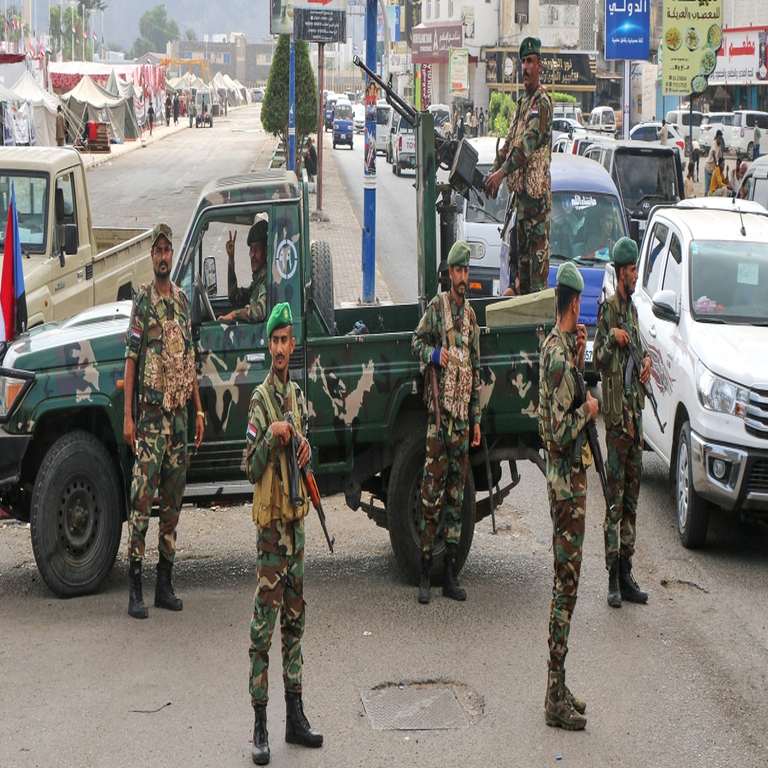
The recent airstrikes by Saudi warplanes against the Southern Transitional Council (STC) forces in southern Yemen mark a significant escalation in the already complex geopolitical landscape of the Arabian Peninsula. This military action underscores growing tensions between Saudi Arabia and the United Arab Emirates (UAE), two key players in the ongoing conflict in Yemen, and raises critical questions about the future of regional alliances and stability.
Historically, Saudi Arabia and the UAE have been united in their efforts to counter the Iran-backed Houthi movement, which has been a dominant force in Yemen since the civil war began in 2014. That said, the reality is a bit more complicated. the emergence of the STC, which seeks greater autonomy for southern Yemen, has introduced fractures within the Saudi-led coalition. The recent territorial advances by the STC into oil-rich regions in Hadramout and Mahra have exacerbated these tensions, prompting a Saudi-led operation aimed at reasserting control over the area.
The significance of these developments cannot be overstated. The STC's moves suggest a shift in power dynamics within Yemen, as it not only challenges the Saudi-led coalition but also poses a potential threat to UAE interests in the region. The STC's assertive actions, combined with its endorsement by the UAE, create a scenario where Saudi Arabia may feel compelled to respond with military force to preserve its influence and prevent further fragmentation of its coalition.
The airstrikes, which reportedly targeted STC positions, reflect Saudi Arabia's attempt to curb what it perceives as a unilateral move by the UAE and its allies. This military response not only indicates a potential breakdown of previously cooperative dynamics but also highlights the complexities of intra-coalition relations. The accusations from STC leaders regarding the involvement of external militias, such as those linked to the Muslim Brotherhood and al-Qaeda, further complicate the narrative, suggesting that the conflict may also be influenced by broader ideological battles within the region.
Regionally, the implications of this conflict extend beyond Yemen's borders. Saudi Arabia's actions may prompt the UAE to recalibrate its strategies, potentially leading to a deeper military entrenchment or an increased reliance on proxy forces. Additionally, such tensions could create opportunities for Iran to exploit divisions within the Saudi-led coalition, thereby enhancing its influence in the region.
The ongoing conflict in Yemen has already resulted in one of the world's worst humanitarian crises, and escalated military actions only threaten to exacerbate the situation. As both Saudi Arabia and the UAE navigate their interests and alliances, the risk of a broader regional conflict looms, which could draw in other actors and further destabilize the Gulf region.
Finally, the current situation serves as a reminder of the limitations and vulnerabilities that characterize the Saudi-led coalition. The inability to manage internal dissent within its ranks not only weakens the coalition but also raises questions about its long-term viability. As the stakes continue to rise, the international community must remain vigilant in monitoring these developments and consider their broader implications for regional security and stability.
Editor's note: This article was independently written by the Scoopliner Editorial Team using publicly available information.