Sajid Khan's Return to Direction Amidst Challenges: An Industry Perspective
हिंदी में सुनें
Listen to this article in Hindi
Sajid Khan's recent accident raises questions about his return to directing in the Indian film industry.
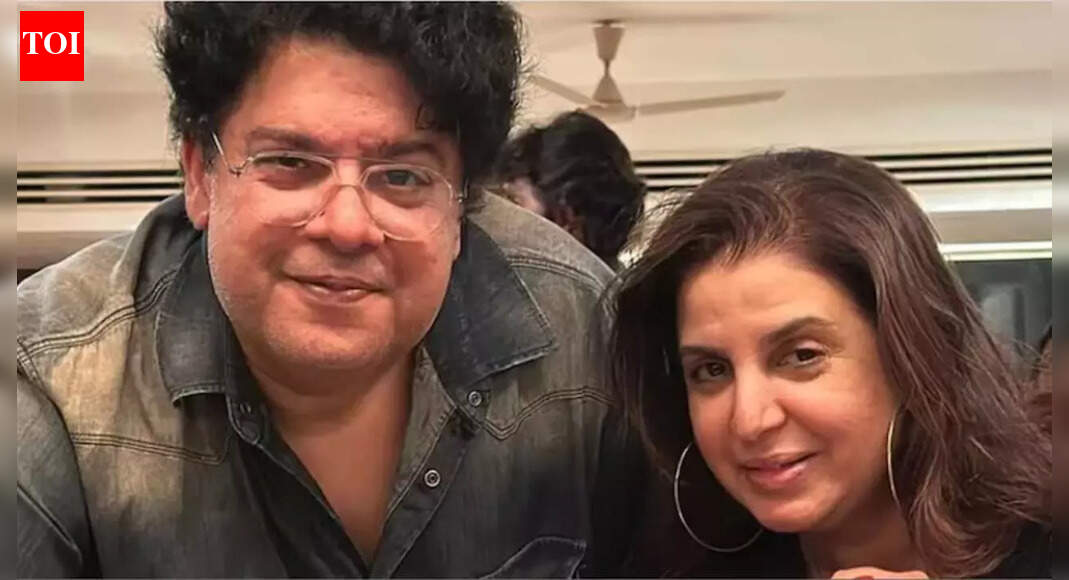
Sajid Khan, a notable figure in the Indian film industry, recently faced a significant setback when he was hospitalized following an accident on set. The incident occurred during the filming of a project produced by Ekta Kapoor, resulting in a fractured foot that necessitated surgery. His sister, filmmaker Farah Khan, confirmed that the procedure was successful, assuring fans of his well-being. This incident highlights the inherent risks associated with film production, where the physical demands on directors and crew can lead to unforeseen accidents.
Sajid Khan has been preparing for a return to directing after a lengthy hiatus, with his last project being 'Humshakals' in 2014. His career, which began with the horror anthology 'Darna Zaroori Hai' in 2005, includes commercially successful films such as 'Heyy Babyy' and the 'Housefull' series. As he navigates his recovery, the question remains whether this setback will impact his anticipated return to directing and how it will shape his future projects.
The filmmaker's recent public visibility was largely bolstered by his participation in 'Bigg Boss 16,' where he formed a strong rapport with fellow contestants, collectively known as the 'Mandali.' This experience has kept him in the public eye, potentially increasing anticipation for his directorial comeback. That said, the reality is a bit more complicated. the accident serves as a reminder of the physical toll and unpredictable nature of filmmaking, which can affect even established directors.
In the broader context of the film industry, Sajid Khan's situation reflects the challenges many filmmakers face as they attempt to balance creative aspirations with personal well-being. The pressure to deliver successful projects can lead to intense working conditions, making it crucial for industry stakeholders to prioritize safety and health on set.
Moreover, Sajid's previous success at the box office, particularly with ensemble comedies, may influence the types of projects he is drawn to post-recovery. The Indian audience's evolving tastes, coupled with a growing demand for diverse storytelling, may push Khan to adapt his filmmaking approach to align with contemporary trends.
As Sajid Khan recovers, the industry watches closely to see how this incident will affect his career trajectory. His return could either reinvigorate his standing in the film community or serve as a cautionary tale about the risks associated with the high-pressure environment of filmmaking.
Ultimately, the significance of this development extends beyond Sajid Khan himself, encapsulating the broader cultural and commercial dynamics of the Indian film industry, where resilience and adaptability are crucial for success.
Editor's note: This article was independently written by the Scoopliner Editorial Team using publicly available information.