Rising Russian Casualties: A Turning Point in the Ukraine Conflict
हिंदी में सुनें
Listen to this article in Hindi
This analysis explores the rising Russian casualties in Ukraine and the potential global ramifications of intensified peace efforts.
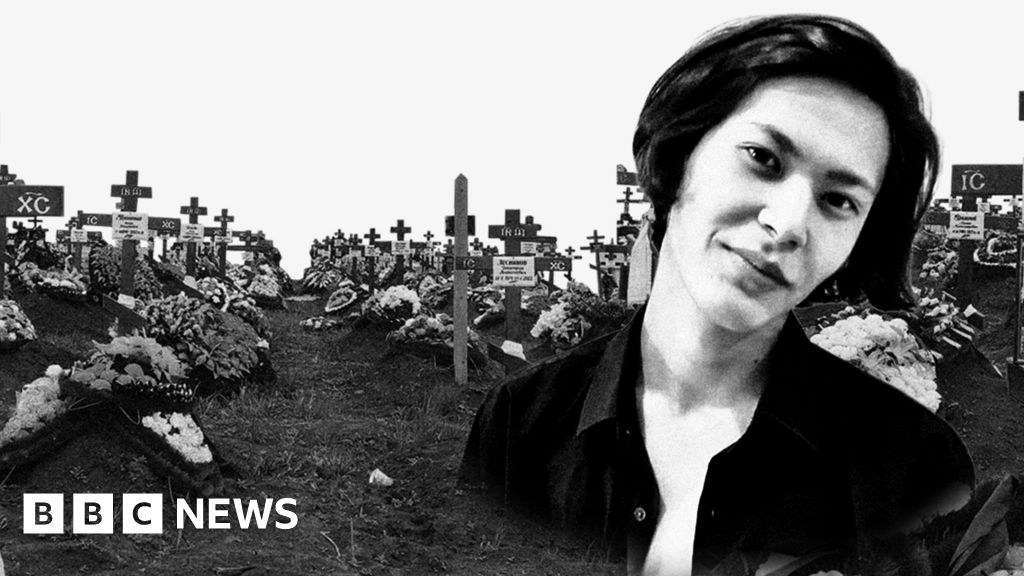
The ongoing conflict in Ukraine has seen a significant escalation in Russian military casualties, marking a pivotal moment in the war's trajectory. Recent reports indicate that Russian losses have surged, with an estimated 160,000 confirmed deaths, suggesting that the actual toll may be as high as 352,000. This alarming statistic is underscored by a 40% increase in published obituaries compared to the previous year, signaling a critical juncture in both military engagement and diplomatic negotiations.
The implications of these rising casualties extend beyond the battlefield, influencing geopolitical dynamics in the region and beyond. As the U.S. administration intensifies its push for a peace deal, the heightened toll on Russian forces may serve as a catalyst for renewed urgency in negotiations. The dialogue between U.S. President Donald Trump and Russian President Vladimir Putin, particularly around potential peace proposals, suggests that the U.S. is leveraging these losses to compel a reevaluation of Russia’s strategy.
The surge in obituaries correlates with key diplomatic moments, including direct talks between the two leaders and discussions around a comprehensive peace framework. This analysis implies that the intensity of military engagements may directly impact the willingness of state actors to pursue diplomatic solutions, as significant losses can undermine both public support and military morale within Russia.
From a strategic standpoint, the rising casualties for Russia could shift the military calculus. As the war drags on with increasing costs, it raises questions about Russia’s long-term operational sustainability and the potential for a recalibrated approach toward Ukraine. This may also embolden Ukraine's military efforts, as a perceived weakening of Russian capabilities could enhance their bargaining position in any future negotiations.
The data surrounding Russian losses also reflects broader patterns in warfare, where attrition rates can significantly alter the dynamics of conflict. The ability of militaries to sustain prolonged engagements while managing domestic expectations is crucial. Russia’s high casualty rates may strain its military resources and create domestic pressures that could hinder its operational objectives in Ukraine.
In the context of international alignments, these developments could affect Russia’s relationships with its allies and adversaries. An increase in casualties may lead to a reassessment of support from countries that have been hesitant to openly back Russia, while also provoking reactions from NATO and other Western nations regarding their own military strategies and support for Ukraine.
The situation presents a complex interplay of military, political, and social factors that warrant close observation. The limits of Russia’s military engagement in Ukraine, coupled with the potential for increased diplomatic pressure from the U.S., create a landscape fraught with uncertainty. While peace efforts are gaining traction, the underlying risks associated with high casualties and a potential stalemate remain significant.
So where does that leave things? the rising Russian losses in Ukraine offer critical insights into the evolving nature of the conflict, highlighting the urgency of diplomatic efforts. As the situation unfolds, the international community must remain vigilant to the broader implications for regional stability and global security dynamics.
Editor's note: This article was independently written by the Scoopliner Editorial Team using publicly available information.