Ukraine War: Russia's Shifting Tactics Expose Strategic Limitations Amidst Peace Talk Maneuvering
हिंदी में सुनें
Listen to this article in Hindi
Analysis of Russia's military adjustments in Ukraine and its strategic communication surrounding potential peace negotiations. Assesses implications for regional stability.
The ongoing conflict in Ukraine is more than a regional dispute; it's a crucible forging a new global security landscape. While battlefield dynamics continue to evolve, Russia's strategic communication surrounding potential peace negotiations reveals deeper geopolitical calculations. The Kremlin's insistence on adhering to its maximalist demands, coupled with tactical shifts on the ground, underscores both its ambitions and its limitations.
Russia's recent diplomatic pronouncements, spearheaded by Deputy Foreign Minister Sergei Ryabkov, signal a hardening stance regarding peace negotiations. Ryabkov's rejection of Ukrainian President Zelensky's peace plan, coupled with his insistence on preconditions that fundamentally restructure European security architecture – echoing demands made in late 2021 – highlights Russia's broader strategic objectives. These demands, which include effectively dismantling NATO's presence in Eastern Europe, extend far beyond the immediate territorial disputes within Ukraine. This positioning suggests that any negotiated settlement is contingent on a comprehensive reordering of power dynamics in the region, a condition unlikely to be accepted by Ukraine or its Western allies.
The Kremlin's narrative also attempts to leverage the ambiguity surrounding the US-Russian Alaska Summit. By claiming a tacit agreement on a framework for resolving the conflict, Russia seeks to legitimize its demands and portray any deviation from this alleged framework as a destabilizing factor. This tactic aims to sow discord among Ukraine's partners and pressure them into accepting terms more favorable to Moscow. That said, the reality is a bit more complicated. conflicting accounts from the US side regarding the summit's outcome undermine Russia's efforts to solidify this narrative.
Meanwhile, on the ground, the situation around Kupyansk reveals the discrepancies between official reports and the realities of the conflict. Ukrainian forces have made tactical gains, a fact increasingly acknowledged by Russian milbloggers. These acknowledgements are critical because they highlight systemic issues within the Russian military command, including the pervasive practice of disseminating false information. The exaggeration of battlefield successes serves a dual purpose: bolstering domestic support for the war and attempting to influence negotiations by projecting an image of strength. That said, the reality is a bit more complicated. these inflated claims are increasingly challenged by independent observers and even pro-Russian commentators, eroding the credibility of the Kremlin's narrative.
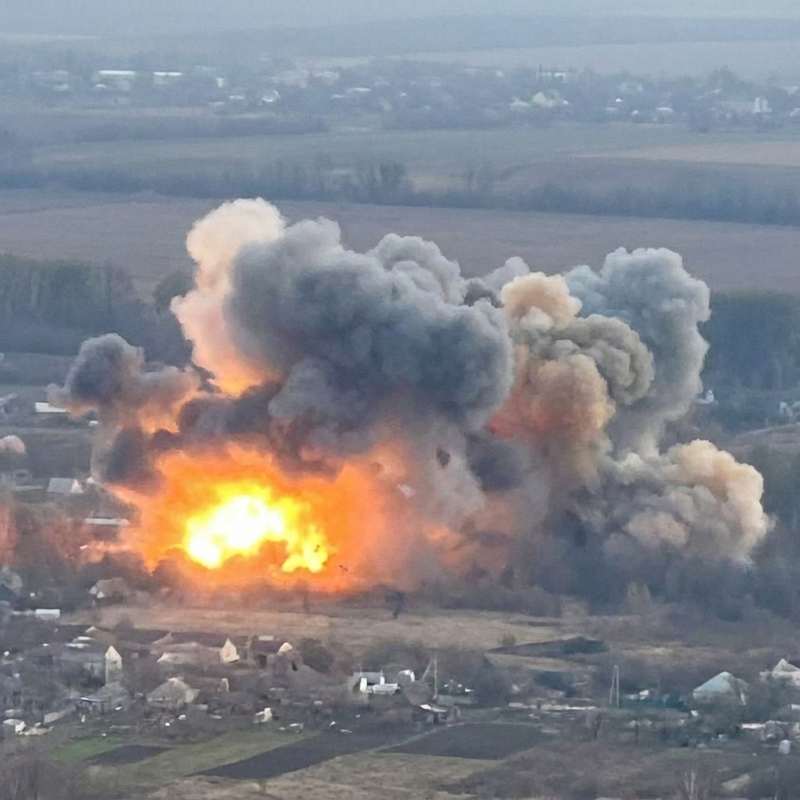
Simultaneously, the concentration of Russian forces in specific sectors, such as Hulyaipole, demonstrates a trade-off between offensive capabilities and overall strategic coherence. While Russia can achieve tactical gains by focusing its resources, this often comes at the expense of other areas, leaving them vulnerable to Ukrainian counterattacks. This pattern underscores the limitations of Russia's military capacity and its inability to sustain simultaneous offensives across the entire front line. The recent Ukrainian advances near Oleksandrivka, enabled by Russia's prioritization of Hulyaipole, exemplify this dynamic.
The use of Belarusian territory to launch drone strikes against Ukrainian infrastructure further complicates the situation. By exploiting Belarus as a sanctuary, Russia circumvents Ukrainian air defenses and intensifies its attacks on critical railway networks. This strategy not only inflicts economic damage on Ukraine but also underscores Belarus's deepening integration into Russia's military apparatus, raising concerns about the long-term security implications for the region. This dynamic is part of a larger pattern of how Russia de facto annexed Belarus.
Amidst these developments, Russia's efforts to replicate the Ukrainian model of unmanned systems warfare (USW) highlight its adaptation to the evolving nature of the conflict. The appointment of Lieutenant Colonel Yuri Vaganov to lead the Russian Unmanned Systems Forces suggests a recognition of the importance of drone technology and a desire to enhance its production and integration within the Russian military. This initiative reflects a broader trend of military modernization and adaptation driven by the experiences of the war in Ukraine. The war in Ukraine has made drones crucial.
Ultimately, the situation remains fluid and uncertain. While diplomatic overtures continue, Russia's underlying strategic objectives and tactical limitations suggest that a lasting peace agreement is unlikely in the near term. The war's trajectory will depend on a complex interplay of factors, including the level of Western support for Ukraine, the effectiveness of Russia's military adaptations, and the ability of both sides to sustain their war efforts. The war is evolving.
Editor’s note: This article was independently written by the Scoopliner Editorial Team using publicly available information.