Escalating Internal Security Risks: Russia's Vulnerability Beyond Ukraine
हिंदी में सुनें
Listen to this article in Hindi
Targeted killings within Russia reveal vulnerabilities and shift security priorities amid the ongoing conflict in Ukraine, impacting Moscow's geopolitical strategy.
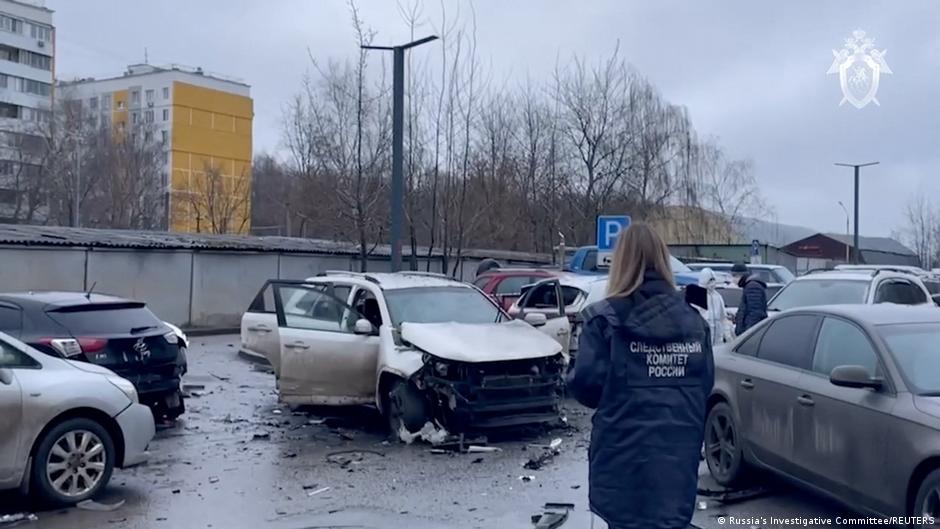
Russia's ongoing military operations in Ukraine have not only reshaped the European security landscape but also appear to be creating an environment of heightened internal instability within Russia itself. The targeted killing of a high-ranking military official in Moscow, allegedly by Ukrainian operatives, underscores a critical shift: the projection of conflict from the external battlefield onto Russian soil, exposing vulnerabilities that extend beyond conventional military defense. This development raises fundamental questions about the effectiveness of Russia's internal security apparatus and the potential for further destabilization.
The implications of these events are far-reaching. While Russia's external aggression is well-documented, the emergence of internal threats represents a significant diversion of resources and attention. The need to counter perceived Ukrainian sabotage and infiltration strains Russia's security services, potentially weakening their ability to address other critical issues, such as domestic dissent, economic crime, and the ever-present threat of terrorism. This shift in focus could create opportunities for other actors, both state and non-state, to exploit vulnerabilities within Russia.
Furthermore, the alleged involvement of Ukrainian intelligence in these attacks signals an escalation of hybrid warfare tactics. Rather than solely focusing on direct military confrontation, Kyiv appears to be actively targeting key individuals within the Russian military and security establishment. This strategy aims to disrupt command and control, demoralize personnel, and sow distrust within the ranks. The psychological impact of these attacks on Russian elites and the broader population should not be underestimated. It challenges the narrative of a strong and invulnerable state, potentially fueling discontent and undermining public support for the war in Ukraine.
The attacks also raise questions about the internal power dynamics within Russia's security apparatus. The failure to prevent these incidents suggests either a lack of coordination among different agencies, such as the FSB and military intelligence, or the presence of internal dissent and sabotage. The recent Wagner Group mutiny highlighted the fragility of the Russian state and the potential for challenges to Putin's authority. Continued security lapses could further erode confidence in the government's ability to maintain order and stability. The Kremlin's response to these incidents, including potential purges or reshuffles within the security services, could further destabilize the system and create new opportunities for rival factions to gain influence. Understanding Russia's internal power dynamics is crucial to assessing its long-term geopolitical stability.
The global impact of Russia's internal security challenges is multifaceted. A weakened and destabilized Russia could become a less predictable and more dangerous actor on the world stage. Facing internal pressures, the Kremlin may be tempted to escalate external conflicts to divert attention and rally domestic support. This could lead to further instability in Eastern Europe, the Caucasus, and other regions where Russia has vested interests. Moreover, a decline in Russia's economic and military power could create a vacuum that other actors, such as China or Turkey, may seek to fill, reshaping the geopolitical balance of power. For example, the evolving relationship between India and Russia could be affected by Russia's internal turmoil, potentially leading to a reassessment of strategic partnerships.
That said, the reality is a bit more complicated. it is essential to acknowledge the uncertainties surrounding these developments. Attributing blame for these attacks is difficult, and it is possible that other actors, including internal opposition groups or even rogue elements within the Russian security services, are responsible. The Kremlin may also be using these incidents to justify a crackdown on dissent and consolidate its power. Therefore, a cautious and nuanced approach is necessary when analyzing these events and their potential consequences.
Ultimately, the targeted killings within Russia represent a significant challenge to Moscow's geopolitical strategy. They highlight the vulnerabilities of the Russian state and the potential for internal instability to undermine its external ambitions. While the long-term consequences remain uncertain, these developments warrant close monitoring and careful analysis by policymakers and analysts around the world. The need to maintain a strong world affairs background is now greater than ever.
Editor’s note: This article was independently written by the Scoopliner Editorial Team using publicly available information.