The Persistent Strain of the Russia-Ukraine Conflict: A Geopolitical Landscape on Day 1,406
हिंदी में सुनें
Listen to this article in Hindi
An analytical overview of the current geopolitical implications of the Russia-Ukraine war as it enters day 1,406.
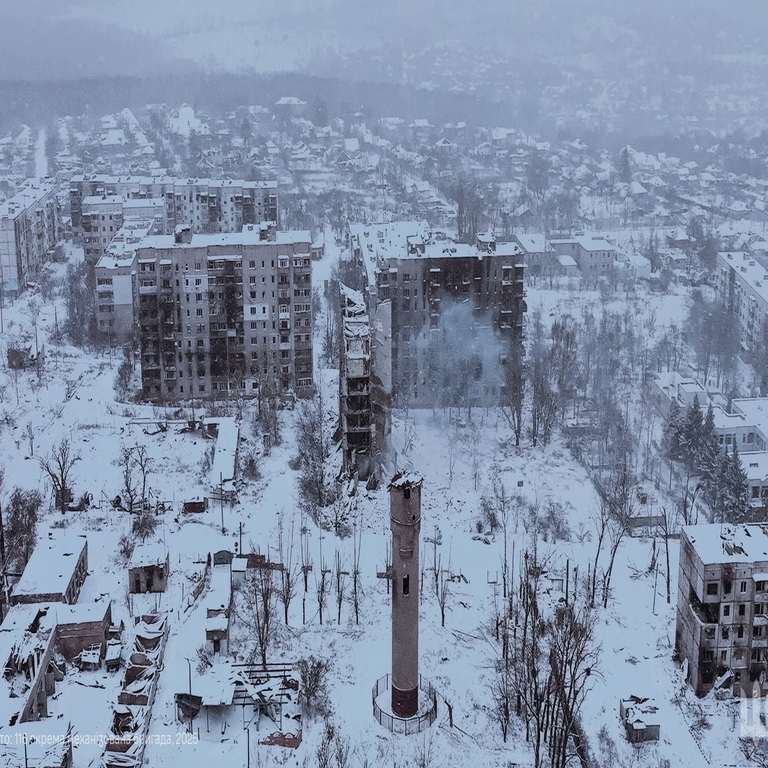
The ongoing conflict between Russia and Ukraine, which has now entered its 1,406th day, continues to reshape the geopolitical landscape of Eastern Europe and beyond. The persistent military engagements, marked by artillery shelling and targeted strikes on civilian infrastructure, indicate a strategic stalemate that underlines the complexities of modern warfare. As both nations navigate a path marked by destruction and resilience, the implications of their conflict resonate far beyond their borders, impacting alliances, security strategies, and energy supplies across the globe.
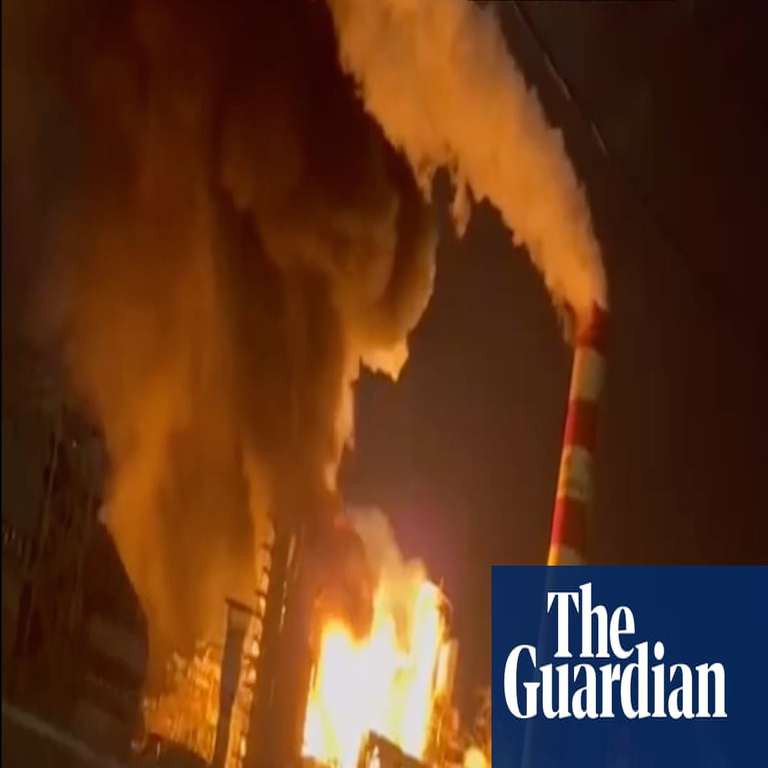
Recent military actions, including shelling in Donetsk and attacks on Black Sea ports, underscore Russia's ongoing tactical focus on disrupting Ukraine's economic activities and civilian life. Such operations not only aim to inflict immediate damage but also serve a broader psychological warfare purpose, aiming to undermine public morale and economic stability in Ukraine. The targeting of civilian vessels and oil storage facilities in port cities highlights Russia's intent to exert control over crucial maritime routes, which are vital for Ukraine's grain exports.
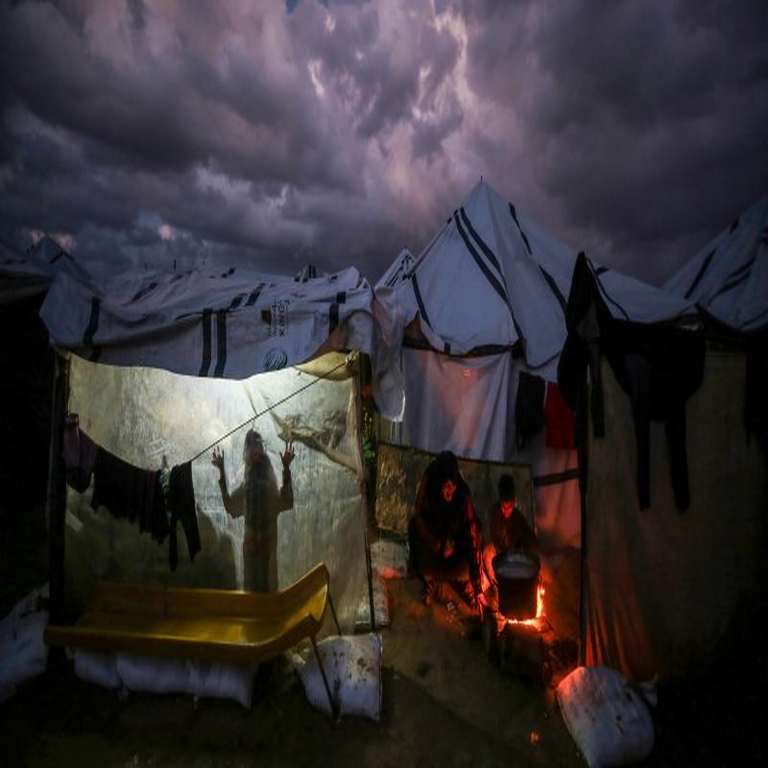
The introduction of mandatory evacuation orders in border areas reflects the deteriorating security situation in regions heavily affected by shelling, indicating that the Ukrainian government is preparing for prolonged unrest. These evacuations, while necessary for civilian safety, also signify the shifting demographics and potential humanitarian crises that may arise from sustained military pressure. The displacement of populations could further complicate post-war recovery efforts and exacerbate local tensions, particularly in regions already strained by previous conflicts.
Energy infrastructure remains a critical target in the ongoing conflict, as evidenced by the reported outages affecting thousands of households. The systemic targeting of energy resources is a dual strategy: it disrupts daily life and economic activity while simultaneously putting pressure on Ukraine's military capabilities. The repair efforts at the Zaporizhzhia nuclear power plant, however, showcase Ukraine's resilience and strategic planning in maintaining critical infrastructure despite ongoing threats.
Russia's claim of territorial gains in eastern Ukraine, including the capture of settlements in Zaporizhia and Kharkiv, suggests a methodical approach to consolidating control over contested areas. This territorial expansion is not merely a military objective; it is also a fundamental aspect of Russia's broader geopolitical strategy to assert dominance and influence over former Soviet territories. The challenge for Ukraine lies in countering these advances while sustaining international support, particularly from Western allies who have been instrumental in providing military and economic assistance.
The global implications of this conflict are significant. As energy prices fluctuate and supply chains are disrupted, countries dependent on Ukrainian exports face increasing economic pressures. Additionally, the conflict serves as a critical test for NATO and EU cohesion, as member states navigate their responses to Russian aggression while balancing their national interests. The potential for escalation remains a concern, especially as military actions continue to provoke responses that could draw in wider international involvement.
Moreover, the conflict's trajectory raises questions about the long-term strategic calculations of both Russia and Ukraine. The uncertainty surrounding military outcomes complicates diplomatic engagements, as both sides may seek to leverage their positions for future negotiations. The entrenched nature of this conflict, characterized by a cycle of escalation and retaliation, presents significant challenges for any potential resolution and underscores the need for sustained diplomatic efforts.
In summary, as the Russia-Ukraine conflict enters its 1,406th day, the implications extend far beyond the immediate battlefield. The ongoing military engagements highlight the complex interplay of local and global factors that define modern warfare, posing challenges not only for the nations directly involved but also for the international community at large. Understanding these dynamics is crucial as stakeholders navigate the uncertain waters of geopolitical relations in a region marked by historical tensions and contemporary challenges.
Editor's note: This article was independently written by the Scoopliner Editorial Team using publicly available information.