Russia poses acute threat, new MI6 chief to warn
हिंदी में सुनें
Listen to this article in Hindi
The new head of MI6 will warn of the acute threat posed by Russia, highlighting cyber warfare and the need for technological expertise in intelligence.
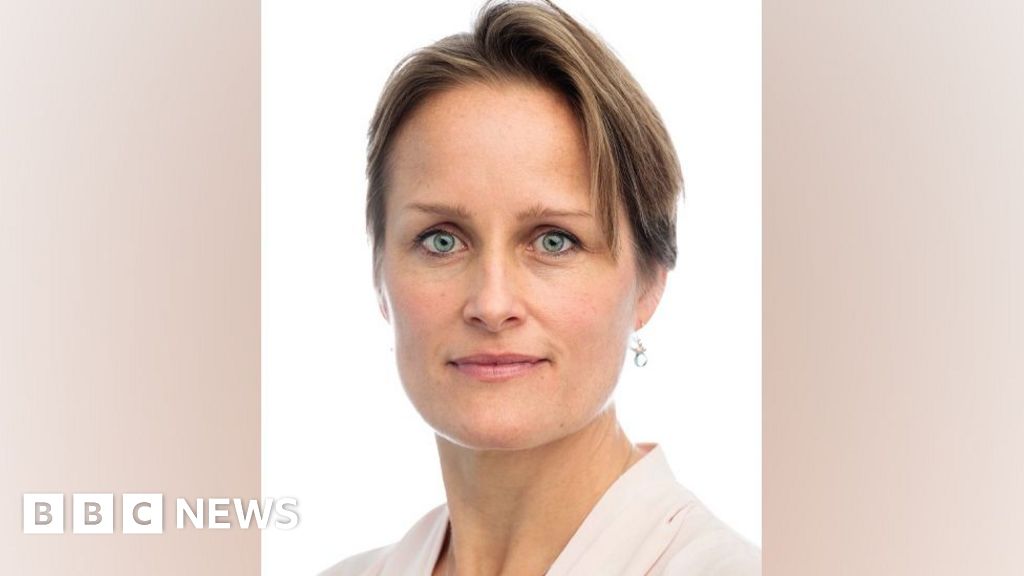
The new head of Britain's Secret Intelligence Service (MI6), Ms. Metreweli, is set to deliver a speech warning of the significant threat posed by Russia. Ms. Metreweli assumed her role as chief of the overseas spy agency on October 1st, succeeding Sir Richard Moore and becoming the first woman to hold the position.
In her address, Ms. Metreweli is expected to highlight the recent sanctions imposed on Russian entities accused of engaging in information warfare. She will also reference the sanctions against two China-based companies for their alleged cyber activities against the UK and its allies.
While Western sanctions have impacted Russia's economy, redirecting its exports towards China and India, they have not altered President Putin's resolve to continue the war in Ukraine. Putin's aims remain to force Ukraine's submission to Russian territorial demands and loyalty.
Technology will be a key focus for the new MI6 chief. Ms. Metreweli, who joined MI6 in 1999 and has a background in Q Branch (the real-life, top-secret division responsible for designing gadgets for agents), will emphasize the importance of technological proficiency for intelligence officers. She is expected to urge officers to become as adept at using computer code as they are at handling human sources, and as fluent in programming languages like Python as they are in foreign languages.
In an era dominated by data and advanced biometric identification, MI6 faces the challenge of maintaining its relevance. The agency must demonstrate its ability to adapt to a landscape where traditional methods of espionage are increasingly vulnerable.
Separately, the Chief of the Defence Staff, Sir Richard Knighton, will call for a "whole of society approach" to bolster national resilience in the face of growing threats. In a speech at the Royal United Services Institute, Sir Richard will argue that defense and resilience should be a priority for all citizens, not just the military.
Sir Richard is expected to describe the current global situation as more dangerous than at any other point in his career. He will state that Russia's objective is to challenge, limit, divide, and ultimately destroy NATO. According to Sir Richard, Britain's response must extend beyond military enhancements and involve leveraging the UK's collective power, encompassing universities, industry, the rail network, and the NHS.
He will also address a skills gap identified by the Royal Academy of Engineering, emphasizing the need for collaboration with industry and young people. Sir Richard will announce £50 million in funding for new defense technical excellence colleges.
The call for increased national preparedness comes as France and Germany have outlined plans for voluntary national service. While the previous Conservative government proposed compulsory national service, the Labour party dismissed it. The broader debate about how Britain should respond to global uncertainty is gaining momentum.