The Vinatier Case: A Microcosm of Escalating Russia-France Tensions and the Future of Academic Freedom
हिंदी में सुनें
Listen to this article in Hindi
The case of Laurent Vinatier highlights the growing strain between Russia and France, raising concerns about academic freedom and geopolitical leverage.
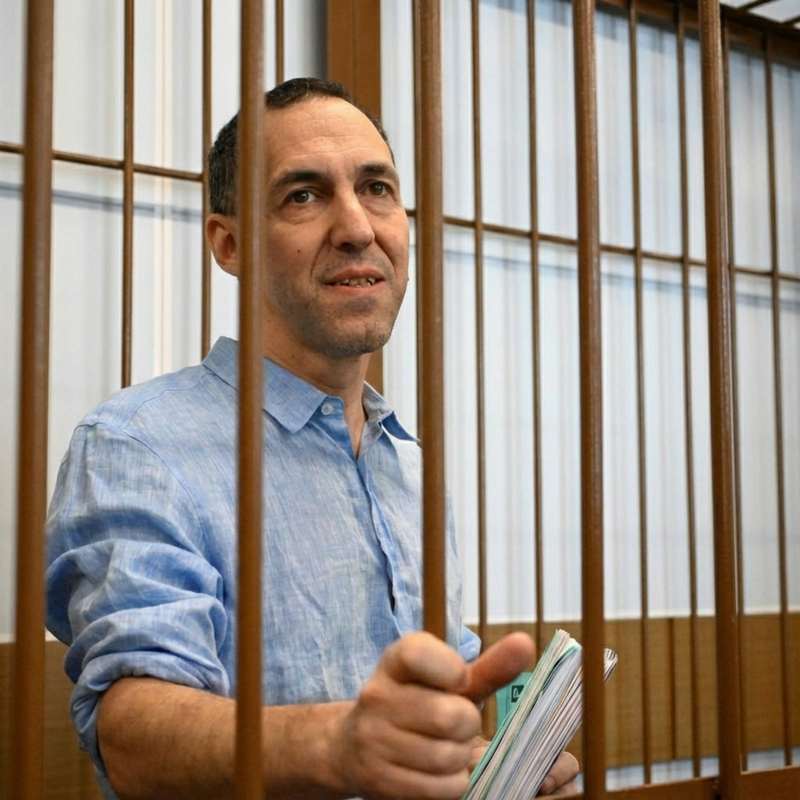
The detention and prosecution of French researcher Laurent Vinatier in Russia, initially on charges related to violating 'foreign agent' laws and now potentially facing espionage accusations, transcends the individual case. It reflects a broader geopolitical recalibration, where the lines between academic research, intelligence gathering, and diplomatic leverage are becoming increasingly blurred, particularly between Russia and Western nations. The Kremlin's acknowledgement of an 'offer' to France regarding Vinatier's fate positions the researcher as a pawn in a larger game of strategic communication and potential negotiation.
The deterioration of relations between Russia and France, traditionally characterized by periods of pragmatic engagement even amidst broader East-West tensions, is a significant development. While economic ties have waned under sanctions, a certain level of diplomatic discourse has persisted, especially under President Macron's earlier attempts at dialogue with President Putin. That said, the reality is a bit more complicated. Russia's actions in Ukraine and the subsequent hardening of Western resolve, including France's strong condemnation and military support for Ukraine, have demonstrably strained this relationship. The Vinatier case adds another layer of complexity, potentially signaling a shift towards a more confrontational stance, where Russia is willing to use legal mechanisms to exert pressure and signal displeasure with French policy.
This situation has broader implications for academic freedom and international research collaborations. The 'foreign agent' laws, increasingly common in authoritarian states, create a chilling effect on researchers studying sensitive topics, particularly those related to politics, security, or economics. The ambiguity of these laws allows for arbitrary application, turning researchers into potential targets for political leverage. The fact that Vinatier, a researcher focusing on civil society and labor movements, became ensnared in this system raises concerns about the safety and security of academics conducting research in countries with strained relations with the West. This chilling effect extends beyond French researchers, potentially impacting the broader international academic community and limiting the scope and depth of research on Russia and other geopolitically sensitive regions.
Furthermore, the Kremlin's framing of the situation – 'the ball is in France's court' – suggests a calculated strategy. It positions Russia as being open to negotiation, while simultaneously placing the onus on France to make concessions or respond in a way that benefits Moscow. This approach is consistent with Russia's broader geopolitical strategy of using asymmetric tools and tactics to achieve its objectives, often by exploiting vulnerabilities or creating leverage points in its relationships with other countries. The situation highlights the complexities of navigating diplomatic channels when fundamental differences in values and political systems are at play. Russia's recent foreign policy decisions have led to increased global instability, affecting even countries like India, which tries to maintain a neutral stance.
The uncertainty surrounding Vinatier's case lies in the specific demands or expectations Russia might have of France. These could range from discreet diplomatic concessions on other matters to more public acknowledgements or policy shifts. The French government, while publicly advocating for Vinatier's release and denying any intelligence connection, faces the challenge of balancing its commitment to its citizen with the broader strategic considerations of its relationship with Russia. The outcome of this case will likely serve as a precedent for future interactions involving researchers and potentially other individuals caught in the crossfire of geopolitical tensions. Understanding the roots of Russia's global position is vital to assess their motivations in this and other international affairs.
Ultimately, the Vinatier case is more than just a legal matter; it is a microcosm of the escalating tensions between Russia and the West, highlighting the vulnerability of academic freedom and the increasing use of individuals as bargaining chips in international relations. While the immediate focus is on the fate of the researcher, the long-term implications extend to the broader academic community and the future of research in geopolitically sensitive regions. The resolution, or lack thereof, will likely shape the contours of Russia-France relations and influence the strategies employed by other nations in navigating increasingly complex geopolitical landscapes. Access to balanced world affairs background information is critical for understanding the full impact of these events.
Editor’s note: This article was independently written by the Scoopliner Editorial Team using publicly available information.