The Drone Warfare Escalation in Ukraine: Implications for Regional Security
हिंदी में सुनें
Listen to this article in Hindi
An analytical overview of the recent escalation in drone warfare between Russia and Ukraine and its broader implications.
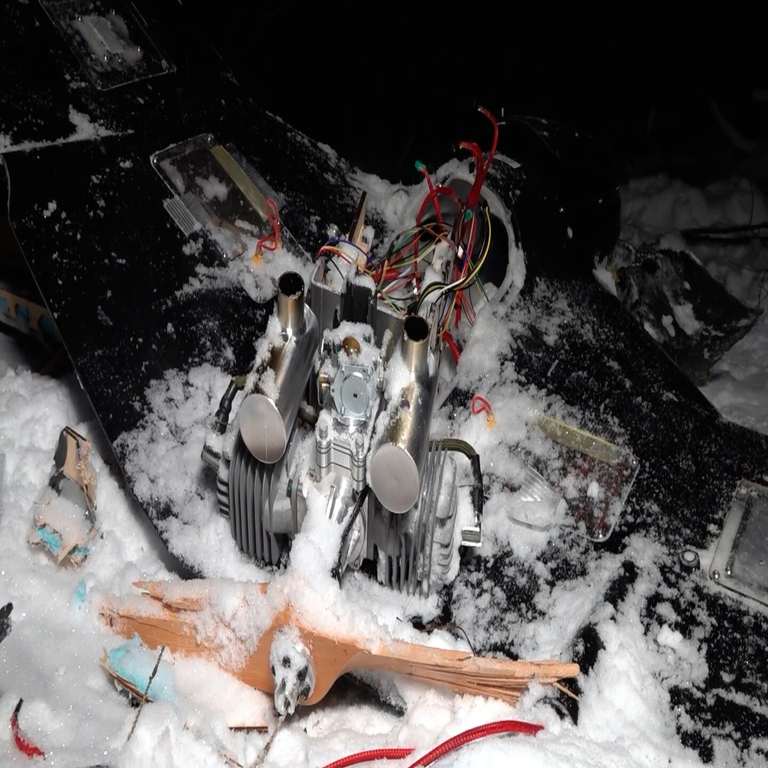
The ongoing conflict between Russia and Ukraine has increasingly shifted towards a technologically advanced battlefield, with both nations deploying drones as pivotal instruments of warfare. December 2023 marked a significant uptick in reported drone engagements, with Russia claiming to have intercepted over 4,300 Ukrainian drones. This surge not only reflects the tactical evolution of the conflict but also the broader implications for regional security dynamics and international military strategies.
The strategic importance of drone warfare in this conflict cannot be overstated. As both nations aim to undermine each other’s military capabilities and economic stability, the increased use of drones represents a cost-effective means of conducting warfare, allowing for long-range strikes with lower risk to personnel. The reported figures from both sides suggest a persistent effort to hone air defense systems, with Ukraine achieving a notable interception rate of approximately 81% for drones and 64% for missiles. Such capabilities are vital not only for immediate tactical advantages but also for long-term operational sustainability in a protracted conflict.
The implications of this escalation in drone warfare extend beyond the immediate battlefield. As both Russia and Ukraine adapt their military strategies, the conflict may influence defense doctrines in other regions, prompting neighboring countries to reassess their military preparedness and capabilities. For instance, nations in Eastern Europe, particularly those bordering Russia, may feel compelled to enhance their aerial defense systems and consider investments in drone technology to mitigate potential threats.
Moreover, the reported narrowing of the gap between the number of drones launched and those shot down suggests a developing arms race in drone technology. Both sides are likely to invest further in drone capabilities and countermeasures, potentially leading to an escalation in production and procurement of unmanned aerial vehicles (UAVs) globally. This trend could stimulate a new segment of the defense market, attracting investment and innovation while also raising the stakes for international arms control discussions.
The winter months typically see a shift in military operations due to weather conditions, yet the consistent high volume of drone strikes indicates a strategic commitment to maintaining pressure on the adversary. The evolving tactics may also be reflective of a broader strategy where both nations aim to demonstrate resilience and capability in the face of ongoing conflict, potentially influencing international perceptions and support.
This escalation raises important questions about the sustainability of such military strategies. High operational tempos can strain resources and logistics, particularly for Ukraine, which has been reliant on Western military assistance. The reliance on drones, while advantageous, also introduces vulnerabilities, as a significant loss of UAVs could impact overall military effectiveness. The operational limits of air defense systems, even those that achieve high interception rates, could also be tested under sustained assault.
Furthermore, the geopolitical ramifications of this drone warfare are significant. As both sides ramp up their military efforts, the potential for miscalculation or inadvertent escalation remains a serious concern. Increased drone activity could lead to unintended engagements, potentially drawing in other regional actors or complicating diplomatic efforts for conflict resolution. The international community must remain vigilant to the shifting dynamics in the region, as they may influence broader security architectures, including NATO’s posture and commitments in Eastern Europe.
So where does that leave things? the recent developments in drone warfare between Russia and Ukraine illustrate a crucial shift in military strategy with far-reaching implications for regional and global security. The emphasis on drone technology not only shapes the current conflict but may also redefine future warfare paradigms. Stakeholders around the world must consider these changes carefully, as the landscape of military engagement evolves in response to emerging technologies and changing geopolitical realities.
Editor's note: This article was independently written by the Scoopliner Editorial Team using publicly available information.