The Shifting Sands of Influence: When Celebrity Culture Encounters Global Geopolitics
हिंदी में सुनें
Listen to this article in Hindi
The Russell Brand case highlights the intersection of celebrity influence, online radicalization, and the erosion of trust in traditional institutions, with potential geopolitical consequences.
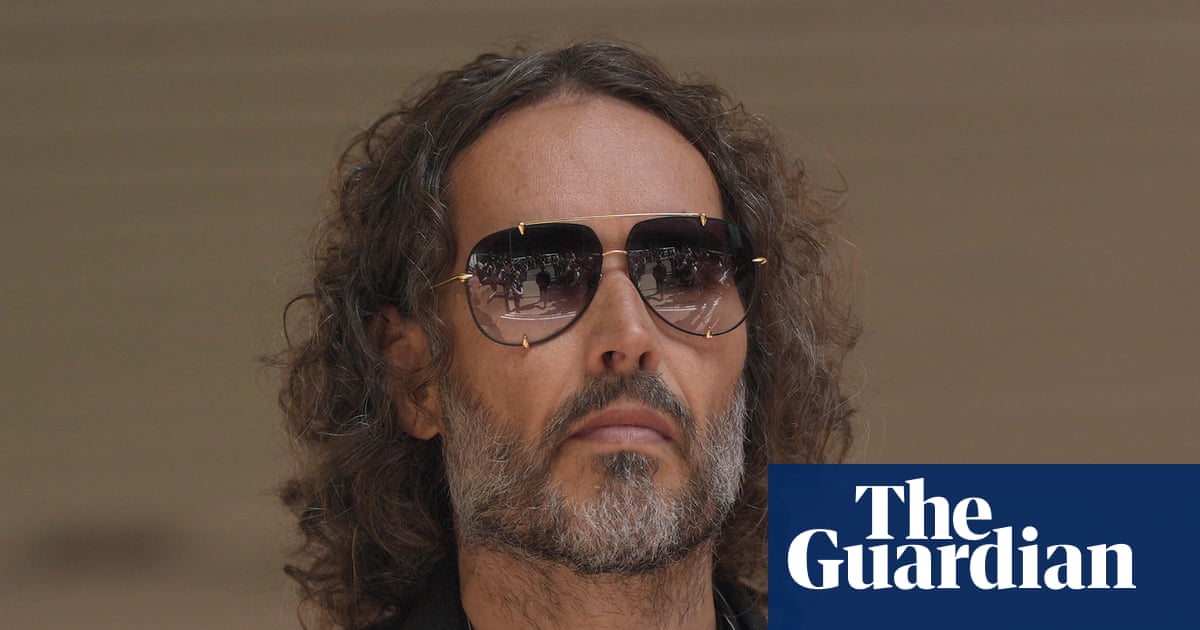
The global landscape is increasingly shaped by the convergence of seemingly disparate forces. One such confluence involves the potent influence of celebrity culture, the proliferation of online misinformation, and the resulting erosion of trust in established institutions. While seemingly confined to the realm of entertainment and social commentary, these dynamics are beginning to exert a tangible impact on geopolitical stability and international relations. The case of Russell Brand, facing further charges of sexual offenses, serves as a lens through which to examine this evolving landscape.
Brand's transition from mainstream entertainer to alternative media figure provides a case study in the power of online platforms to amplify dissenting voices and cultivate dedicated followings. His embrace of conspiracy theories and anti-establishment rhetoric resonated with a segment of the population disillusioned with traditional sources of information and increasingly susceptible to misinformation. This phenomenon is not unique to Brand; across the globe, individuals with large online platforms are leveraging their influence to shape public opinion on issues ranging from climate change to vaccine efficacy to geopolitical conflicts. The challenge lies in discerning credible information from disinformation, particularly when disseminated by individuals who command significant attention and loyalty. This reflects a broader crisis of trust, where faith in established media outlets, governmental institutions, and even scientific consensus is waning, creating fertile ground for alternative narratives to take root. Understanding world affairs background requires critical assessment of information sources.
The implications of this trend extend beyond individual cases. The rise of alternative media ecosystems, often fueled by celebrity endorsements, can contribute to political polarization, social fragmentation, and even the undermining of democratic processes. When individuals are exposed primarily to information that confirms their existing biases, it becomes increasingly difficult to engage in constructive dialogue and find common ground on critical issues. This dynamic can be exploited by state and non-state actors seeking to sow discord and undermine the stability of rival nations. For example, disinformation campaigns designed to influence elections or exacerbate social tensions often rely on individuals with large online followings to amplify their message. The spread of misinformation can also impact international relations by fueling distrust between nations and hindering cooperation on shared challenges such as climate change, pandemics, and economic instability.
Furthermore, the case underscores the complexities of navigating legal and ethical boundaries in the digital age. The speed and reach of social media platforms can make it difficult to hold individuals accountable for the content they disseminate, even when it is demonstrably false or harmful. The challenges of regulating online speech while protecting freedom of expression are significant, and governments around the world are grappling with how to strike the right balance. The legal proceedings against Brand will undoubtedly raise further questions about the responsibility of online platforms to monitor and moderate content, as well as the potential for individuals to be held liable for the consequences of their online activities.
It's worth noting the particular sensitivity of these issues in a country like India. While not directly involved in the Brand case, India's global position as a major emerging power with a rapidly growing digital population means it is highly vulnerable to the spread of misinformation and the influence of online radicalization. The Indian government faces the challenge of balancing its commitment to free speech with the need to protect its citizens from harmful content and maintain social cohesion.
The unfolding situation presents several uncertainties. The legal outcome of the Brand case remains to be seen, and its impact on public opinion and the broader media landscape is difficult to predict. Moreover, the effectiveness of various strategies for combating misinformation and restoring trust in institutions is still being evaluated. The challenge lies in developing comprehensive approaches that address the root causes of distrust, promote media literacy, and hold individuals accountable for their actions without infringing on fundamental rights.
So where does that leave things? the Russell Brand case serves as a stark reminder of the interconnectedness of celebrity culture, online misinformation, and geopolitical stability. As the digital landscape continues to evolve, it is crucial to develop a deeper understanding of these dynamics and their potential consequences. A multi-faceted approach involving media literacy education, responsible platform governance, and international cooperation is essential to navigate the challenges and opportunities of the digital age and safeguard the foundations of a stable and prosperous global order. The ripple effects of these phenomena extend far beyond the entertainment industry, impacting the very fabric of international relations and the ability of nations to address shared challenges effectively. Understanding the topic basics for readers is crucial to interpreting these complex connections.
Editor’s note: This article was independently written by the Scoopliner Editorial Team using publicly available information.