Gmail's New Address Change Feature: A Shift Towards User Control
हिंदी में सुनें
Listen to this article in Hindi
Google now lets you change your Gmail address, a significant update that offers greater user control and flexibility, but with limitations.
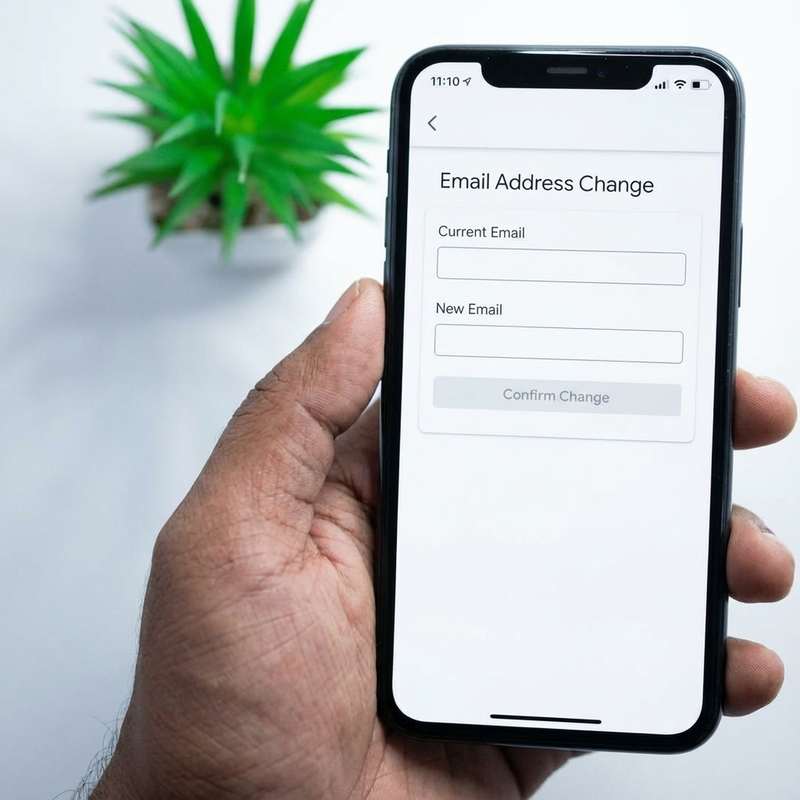
Google is introducing a long-awaited feature for Gmail users: the ability to change their primary Gmail address. This update, detailed in recently updated Google support documentation, marks a significant shift in how users manage their Google identities and addresses a longstanding limitation within the Gmail ecosystem.
Previously, users stuck with an undesirable '@gmail.com' address faced a rather drastic solution: deleting their entire Google account and creating a new one. This meant migrating contacts, Drive files, emails, photos, purchases, and subscriptions, a process fraught with potential data loss and inconvenience. While users could change associated non-Gmail addresses, the core '@gmail.com' address was immutable. Now, users can modify the portion of their Gmail address *before* the '@gmail.com' part directly through their Google Account settings, without losing any of their existing data.
This change essentially transforms a previously rigid digital identity into a more adaptable one. Your old Gmail address doesn't simply disappear; instead, it becomes an alias. This means emails sent to your old address will still arrive in your inbox, and you can even use it to sign in. All your existing access to Google services like Gmail, Drive, YouTube, and Maps remains seamless, regardless of which address you use.
That said, the reality is a bit more complicated. Google has implemented safeguards to prevent abuse and maintain address exclusivity. Users are limited to changing their Gmail address once every 12 months, and a maximum of three times per account, effectively allowing for a total of four distinct addresses over time. Crucially, the original address remains permanently linked to the account and cannot be claimed by another user. As Google's support page states, "If you’d like, you can change your Google Account email address that ends in gmail.com to a new email address that ends in gmail.com."
While this update provides greater flexibility, users should be aware of potential disruptions. Those using Chromebooks, Google Sign-in convenience checks, or Remote Desktop may experience temporary service interruptions and may need to take additional steps to reconfigure their settings. Google recommends backing up data before making any changes, as app settings might reset, similar to signing in on a new device. This feature is rolling out gradually, with 9to5Google reporting the initial discovery.
This move by Google reflects a broader trend in tech towards giving users more control over their data and digital identities. In an era where email addresses are often tied to numerous online accounts and services, the ability to change one's primary address without disrupting the entire digital ecosystem is a significant improvement. It reduces the 'lock-in' effect that many users experience, where they feel trapped with an undesirable email address due to the hassle of switching to a new one.
Editor’s note: This article was independently written by the Scoopliner Editorial Team using publicly available information.