Understanding the Health Risks of Coyote Encounters in Urban Areas
हिंदी में सुनें
Listen to this article in Hindi
गति:
Coyote attacks raise significant public health concerns, especially regarding rabies and community awareness.
The recent coyote attacks in Gwinnett County, Georgia, where three individuals were attacked in two days, underscore a growing concern in urban environments: the intersection of wildlife and human safety. With one of the victims testing positive for rabies in a subsequently caught coyote, these incidents highlight the importance of awareness and appropriate responses to wildlife encounters.
The Increasing Urban Wildlife Population Urbanization has led to increased encounters with wildlife, including coyotes, which have adapted to living in suburban areas. This adaptation raises questions about public safety and the risks associated with wildlife interactions. In recent years, reports of coyote sightings and related incidents have surged in metropolitan areas across the United States, suggesting that urban wildlife encounters are becoming more common.
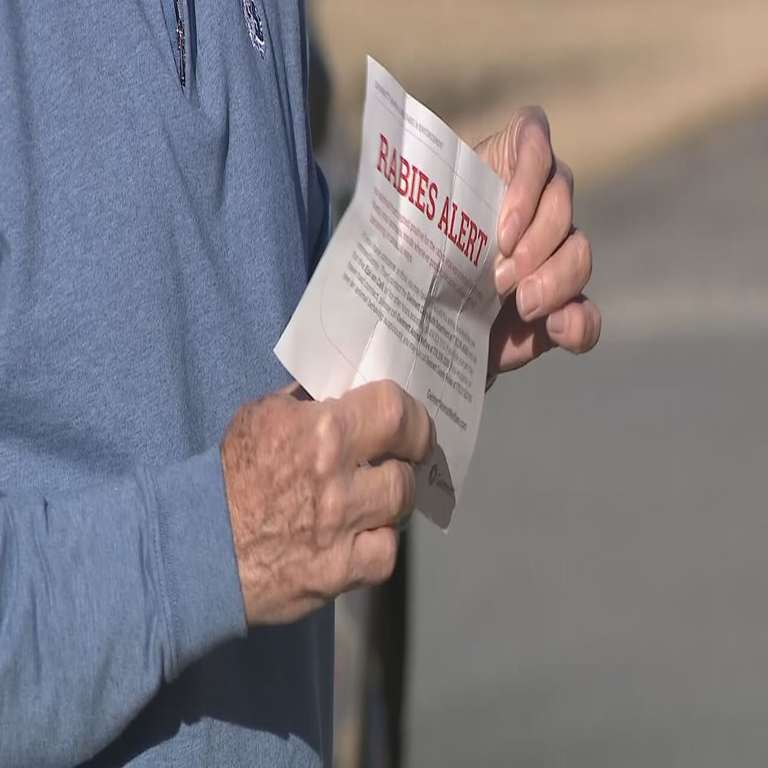
Rabies and Public Health Rabies, a viral disease that can be transmitted through animal bites, remains a significant concern for public health. The reported coyote's positive rabies test serves as a reminder of the risks posed by wildlife. Following exposure, timely medical responses, including rabies vaccinations, are critical. The necessity for rapid medical intervention highlights the importance of community awareness regarding wildlife behavior and associated health risks.
Community Preparedness and Response In light of these attacks, it is crucial for local health departments and community leaders to enhance public education regarding the potential dangers of urban wildlife. Immediate communication following incidents, as expressed by one of the victims, is essential for community safety. Prompt notifications can help residents take precautions and seek medical attention when necessary, potentially reducing the risk of rabies transmission and other health concerns.
Policy Implications The rise in wildlife encounters necessitates a reevaluation of urban wildlife management policies. Local governments may need to consider strategies for managing coyote populations in urban areas to mitigate risks. This could include measures such as public awareness campaigns, responsible pet ownership education, and monitoring wildlife populations.
Limitations and Unknowns While the immediate risk of rabies following a coyote bite is a clear health concern, many unknowns remain regarding the broader implications of wildlife interactions. Factors such as environmental changes, urban development, and their impacts on wildlife behavior require further research. Understanding these dynamics is crucial for developing effective public health strategies.
The Role of Healthcare Systems Healthcare systems play a vital role in addressing the aftermath of wildlife attacks. In cases like Jim Brown's, where individuals require medical treatment for bites, healthcare providers must be equipped to respond appropriately, including administering necessary vaccinations and treatments. Furthermore, healthcare systems should collaborate with public health officials to create response plans for wildlife-related incidents.
Conclusion The coyote attacks in Gwinnett County serve as a poignant reminder of the complexities surrounding urban wildlife interactions. They highlight the need for increased public awareness, effective communication strategies, and proactive policies to safeguard community health. As urban areas continue to expand, understanding the implications of wildlife encounters will be critical in protecting public health and ensuring community safety.
Editor's note: This article was independently written by the Scoopliner Editorial Team using publicly available information.
Based on information from :
WSB-TV
•
01 Jan 2026, 05:30 AM IST