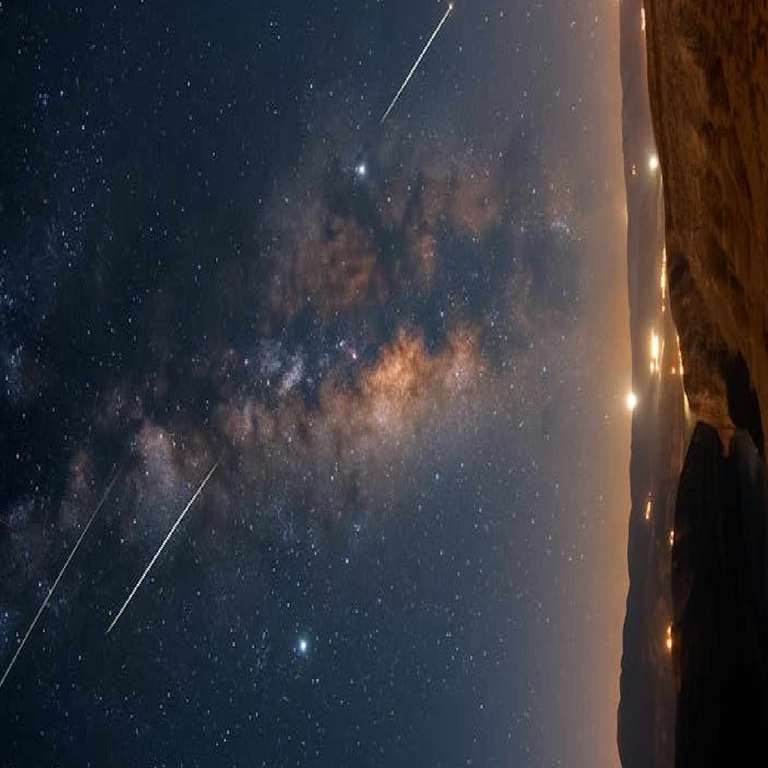
Understanding the Quadrantids Meteor Shower: A Look at Its Origins and Viewing Opportunities
हिंदी में सुनें
Listen to this article in Hindi
Learn about the Quadrantids meteor shower in January 2026, its origins, viewing times, and how it connects with the Wolf Supermoon.
The Quadrantids meteor shower is set to grace the night sky as the first meteor shower of 2026, peaking between January 2 and 3. Active from December 28, 2025, to January 12, 2026, this celestial event is noted for its potential brightness and high zenith hourly rate (ZHR), which can rival more well-known meteor showers such as the Perseids and Geminids.
One of the unique aspects of the Quadrantids is their suspected connection to the asteroid 2003 EH1, a Near Earth Asteroid from the Amor Group, which some scientists believe may have originated from the disintegration of comet C/1490Y1. This comet is historically significant due to the Qingyang event of 1490, where a remarkable burst of meteors was documented by astronomers in China, Japan, and Korea, with associated reports of casualties attributed to the meteor phenomena. An alternative hypothesis suggests that comet 96P/Machholz could also contribute to the Quadrantids, though the evidence remains circumstantial.
As for viewing the Quadrantids, the best opportunities will occur during the peak on January 3, particularly from sunset on that date until the predawn hours of January 4. Stargazers can expect to see approximately 10 meteors or fewer per hour. These meteors will be moving at a speed of around 25 miles per second and can be observed radiating from the constellation Bootes.
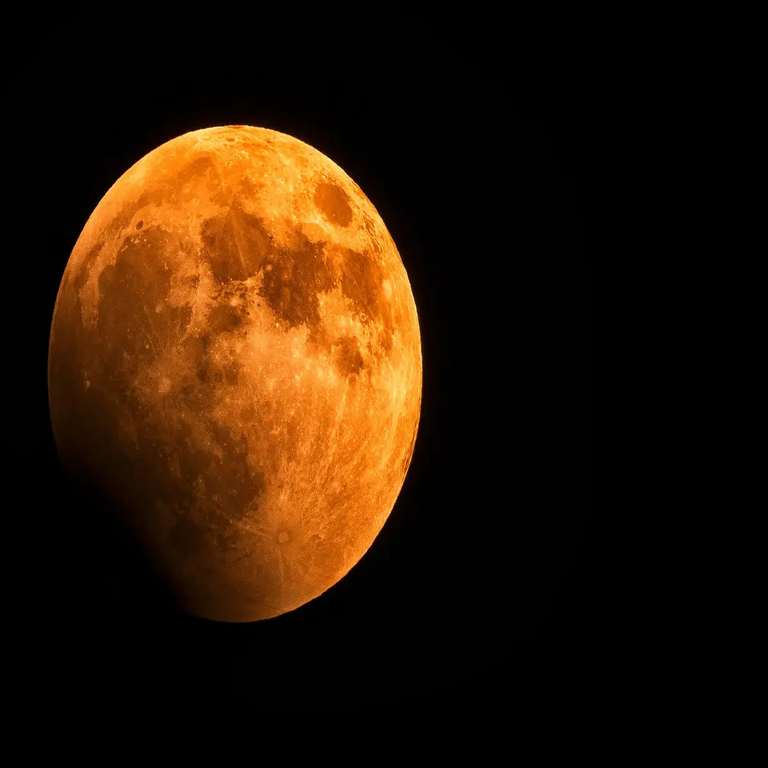
Interestingly, the Quadrantids will coincide with the first full moon of 2026, known as the Wolf Supermoon, which may impact visibility due to the brightness of the moonlight. Observing meteors during a full moon can often diminish the chances of seeing fainter meteors, as the moon's illumination can wash out the night sky. For those unable to view the event live, a livestream will be available, offering an alternative means to witness this celestial display.
While the Quadrantids are expected to provide a stunning show, there are limitations to consider. Not all meteors will be easily visible, particularly during the bright moonlight, which may obscure fainter meteors. Moreover, the historical context surrounding the Quadrantids highlights the need for careful interpretation of past events associated with meteor showers. The anecdotes of the 1490 meteor event serve to illustrate how historical records can influence our understanding of modern celestial phenomena.
In summary, the Quadrantids meteor shower presents an exciting opportunity for observers in early January 2026, particularly as it aligns with other celestial events like the Wolf Supermoon. While the origins of the Quadrantids are still being studied, their connection to both asteroids and comets exemplifies the complex interactions within our solar system. As with all astronomical events, viewers should approach their expectations with a degree of realism, understanding that factors such as light pollution and atmospheric conditions will affect visibility.
Editor's note: This article was independently written by the Scoopliner Editorial Team using publicly available information.