Sectarian Tensions Resurface in Syria: Implications for Regional Stability
हिंदी में सुनें
Listen to this article in Hindi
The resurgence of sectarian violence in Syria underscores significant geopolitical implications for the region and beyond.
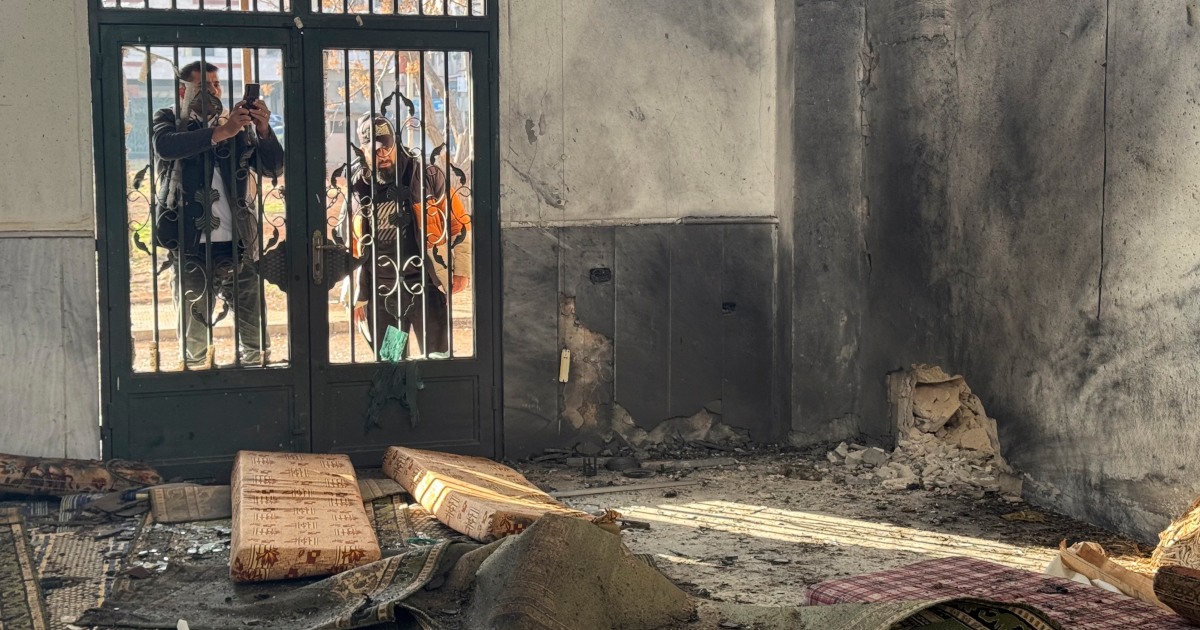
The recent clashes in Syria’s coastal cities following the bombing of an Alawite mosque signify a critical moment in the ongoing sectarian strife that has plagued the nation for over a decade. This incident is not merely a localized event; it reflects broader geopolitical dynamics that have shaped the Middle East landscape since the onset of the Syrian civil war.
As the Syrian conflict has waned in intensity since the fall of Bashar Assad in late 2024, the underlying sectarian tensions have remained unresolved, threatening the fragile stability in the region. The Alawites, a minority sect of Shiite Islam, have historically been at the nexus of power in Syria, and any violence directed at them can have expansive ramifications. The recent bombing underscores the precariousness of their position and the potential for escalated sectarian violence, which could destabilize not only Syria but also neighboring countries.
The geopolitical implications of such sectarian violence extend beyond Syria's borders. The Alawite community, seen as apostates by hardline Sunni groups, is at risk of being targeted not just by local factions but also by international jihadist movements. This raises concerns about a spillover effect, as radical groups may perceive the Alawites as a legitimate target for their broader ideological battles, potentially leading to increased recruitment and radicalization across the region.
Moreover, the involvement of external actors complicates the situation further. Countries like Iran, which supports the Alawite-led government, and various Sunni-majority nations, which may be sympathetic to the sentiment against the Alawites, could find themselves drawn into the conflict. The potential for proxy engagement could escalate tensions in an already volatile region, making a peaceful resolution increasingly difficult.
The recent protests, called by an Alawite leader in exile, also highlight the fracture within Syrian society, where trust between different sectarian groups remains tenuous at best. The participation of pro-government counterdemonstrators indicates not only a division among the populace but also the possibility of heightened state repression in response to dissent. This situation raises concerns about human rights violations and the role of government forces in exacerbating sectarian tensions rather than alleviating them.
The humanitarian implications are equally significant. As sectarian violence resurfaces, the plight of civilians caught in the crossfire will likely worsen. Humanitarian access to affected areas may become increasingly restricted as security concerns mount, leading to further displacement and suffering.
Additionally, the international community's response to such incidents will be critical. A lack of decisive action or a fragmented approach to addressing the root causes of sectarian violence might embolden extremist groups. Conversely, increased international engagement could be perceived as foreign meddling, potentially fueling anti-Western sentiments among segments of the population.
In summary, the resurgence of sectarian violence in Syria, highlighted by the recent bombing and subsequent clashes, poses significant risks not only to national stability but also to regional security. The implications of these tensions are multifaceted, affecting everything from geopolitical alignments to humanitarian conditions. Understanding these dynamics is essential for any analysis of the current and future landscape of the Middle East.
Editor's note: This article was independently written by the Scoopliner Editorial Team using publicly available information.