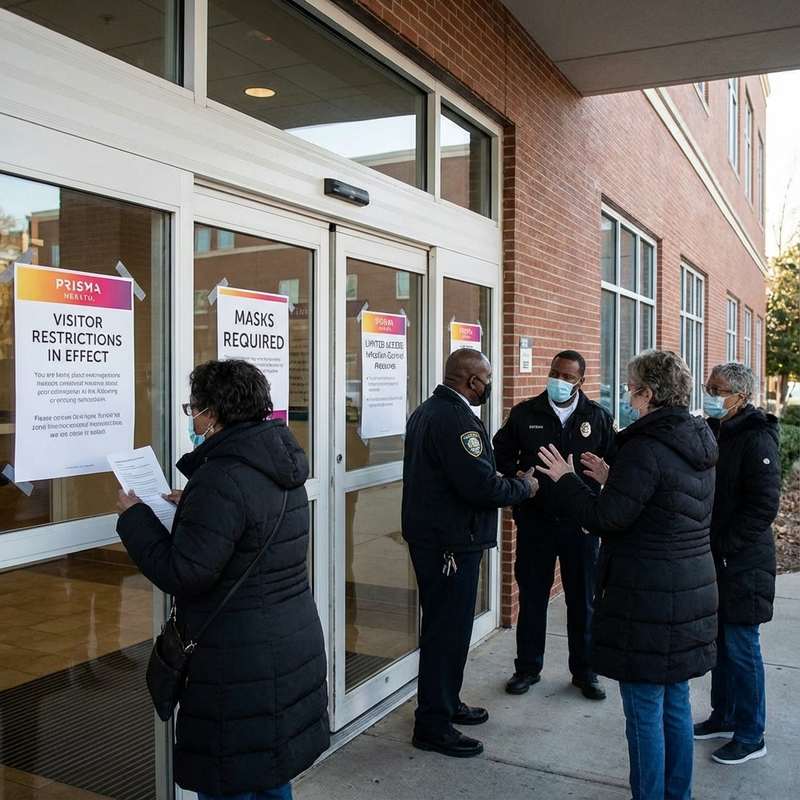
Hospital Visitor Restrictions: A Broader Look at Infection Control Strategies
हिंदी में सुनें
Listen to this article in Hindi
An analysis of hospital visitor restrictions implemented during respiratory illness surges, examining the impact on patient care, public health, and hospital policies.
Recent announcements of temporary visitor restrictions in healthcare facilities, such as the one implemented by Prisma Health, highlight the ongoing challenges of balancing patient care with infection control during periods of heightened respiratory illness transmission. While these measures may seem straightforward, they represent a complex intersection of public health strategy, patient rights, and the operational realities of modern hospitals. Understanding the rationale and potential consequences of such policies is crucial for informed public discourse and effective healthcare planning.
The primary driver behind visitor restrictions is the imperative to protect vulnerable patient populations from nosocomial infections – infections acquired within a hospital setting. Respiratory viruses, such as influenza and RSV, pose a significant threat, particularly to immunocompromised individuals, the elderly, and young children. Hospitals, by their nature, concentrate individuals who are both more susceptible to infection and more likely to experience severe complications. During seasonal surges of respiratory illnesses, the risk of transmission within these facilities increases dramatically.
Visitor restrictions are one tool in a broader arsenal of infection control measures. These policies aim to reduce the introduction and spread of pathogens within the hospital environment. Other strategies include mandatory masking, hand hygiene protocols, enhanced cleaning and disinfection procedures, and vaccination campaigns for healthcare workers. Visitor limitations, however, often spark debate due to their potential impact on patient well-being and family involvement in care. The presence of loved ones can provide emotional support, aid in communication with medical staff, and even improve patient outcomes in some cases. Striking a balance between these benefits and the risks of infection is a persistent challenge for hospital administrators.
When hospitals implement visitor restrictions, several factors must be considered. The specific criteria for restrictions, such as age limits or exclusions based on symptoms, should be clearly defined and consistently applied. Exceptions for compassionate care situations, such as end-of-life visits, are typically incorporated to address ethical considerations. Communication with patients and families is also paramount to ensure understanding and minimize disruption. Transparency about the rationale behind the policy and the expected duration can help alleviate anxiety and foster cooperation.
The effectiveness of visitor restrictions in reducing hospital-acquired infections is a subject of ongoing research. While some studies have suggested a positive impact, others have found limited or inconclusive evidence. The variability in study designs, the complexity of infection transmission dynamics, and the implementation of concurrent infection control measures make it difficult to isolate the specific effect of visitor policies. Furthermore, the potential unintended consequences of these restrictions, such as increased patient isolation and decreased family involvement, warrant careful consideration.
From a public health perspective, understanding the rationale behind these policies is crucial for promoting community awareness and responsible behavior. Individuals who are experiencing symptoms of respiratory illness should avoid visiting hospitals and other healthcare facilities to protect vulnerable populations. Vaccination against influenza and other respiratory viruses remains a cornerstone of preventative public health efforts, reducing both the risk of infection and the severity of illness. For more information about [public health context], individuals can refer to trusted resources. Understanding disease transmission and prevention is key to minimizing strain on the healthcare system. The WHO offers a [Government or WHO-style overview (internal)].
Ultimately, hospital visitor restrictions represent a complex and evolving area of healthcare policy. While these measures can play a role in mitigating the spread of respiratory illnesses within healthcare facilities, they must be implemented thoughtfully and in conjunction with other infection control strategies. Ongoing research and open dialogue are essential to refining these policies and ensuring that they effectively protect patient safety while respecting patient rights and family involvement. It's important to understand how these policies affect the broader [disease or system explainer].
Editor’s note: This article was independently written by the Scoopliner Editorial Team using publicly available information.