The Apple Effect: Transforming Consumer Behavior and Market Dynamics in India
हिंदी में सुनें
Listen to this article in Hindi
Analyzing the impact of Apple's iPhone 16 success on Indian consumer behavior and market dynamics.
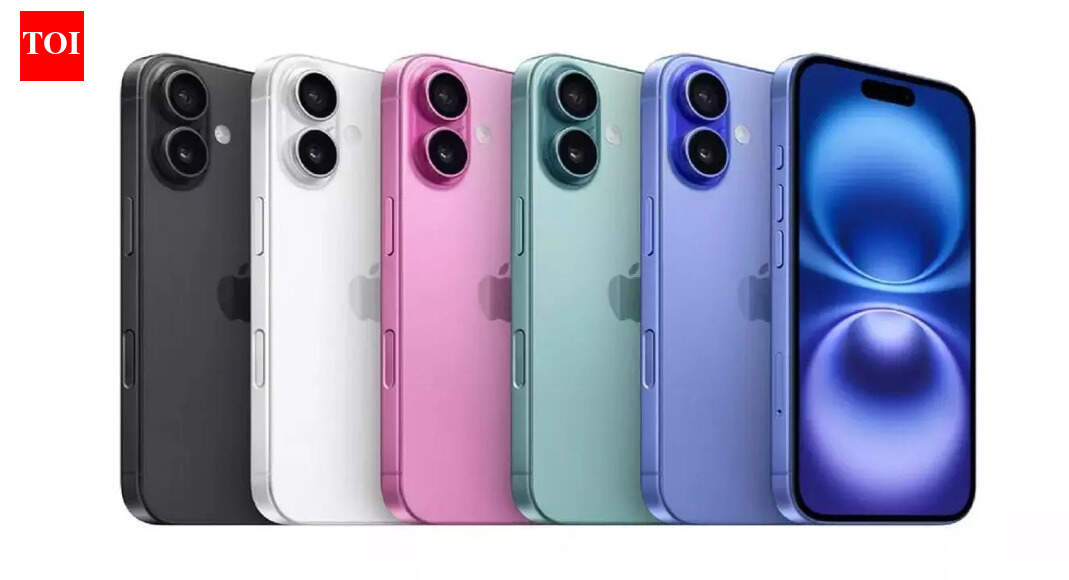
In an era where consumer preferences are rapidly evolving, Apple's recent success with the iPhone 16 in India serves as a profound case study of how premium brands can reshape an entire market landscape. The iPhone 16 has not only topped sales charts but has also triggered a significant shift in consumer behavior within a market long dominated by budget-friendly Android devices. This transformation indicates a broader narrative about rising consumer aspirations and the willingness to invest in premium technology amidst a changing economic backdrop.
The dominance of the iPhone 16, which has reportedly sold around 6.5 million units in just 11 months, reflects a growing trend among Indian consumers to gravitate toward high-end devices. Traditionally, the Indian smartphone market has been characterized by an overwhelming preference for entry-level and mid-range Android devices. This shift to premium products indicates a change in consumer sentiment, fueled by increasing disposable incomes and a burgeoning middle class that is more willing to splurge on quality and brand prestige.
In this context, Apple's strategy to position itself not just as a tech company but as a lifestyle brand has resonated well with Indian consumers. The success of the iPhone 16, particularly during significant shopping events like Flipkart's Big Billion Day sale, underscores the effective interplay between strategic marketing and consumer engagement. This trend hints at a broader economic narrative—one where consumer confidence in premium spending is on the rise, and where brands can cultivate loyalty through targeted promotions and superior product experiences.
As Apple continues to expand its retail footprint in India, the implications for market liquidity and sentiment become increasingly pronounced. The company recently reported record revenues in India, contributing to its historical $4 trillion market capitalization. This financial success is not merely a reflection of Apple's performance but also a signal of the underlying economic strength in emerging markets. The robust demand for iPhones—both the new iPhone 16 and the previous generation iPhone 15—illustrates a strong consumer appetite for technology that transcends price sensitivity, marking a significant departure from previous trends.
With the iPhone 16 maintaining its leading position for three consecutive quarters, it’s evident that Apple is adeptly navigating the complexities of the Indian market. The sustained demand despite the impending iPhone 17 launch illustrates consumer loyalty and the brand's ability to create lasting emotional connections with its users. This emotional bond, coupled with a well-timed rollout of products and an emphasis on quality, positions Apple favorably in a landscape that is increasingly competitive.
Furthermore, Apple's momentum is reflective of a larger shift within the Indian economy itself. As the middle class expands, so does the appetite for premium products. This economic transformation is further supported by the Reserve Bank of India's policies aimed at fostering growth and liquidity within the market. As consumer spending rises, driven by favorable economic conditions and increasing urbanization, brands like Apple are poised to benefit significantly. The liquidity in the market fuels retail investments and consumer spending, creating a cyclical effect that encourages higher levels of consumption.
That said, the reality is a bit more complicated. this newfound consumer behavior comes with its own set of risks. The reliance on premium products could be tested in an economic downturn or if inflationary pressures continue to rise. Should economic conditions shift, there’s potential for volatility as consumers may revert to prioritizing value over brand loyalty. In this sense, while the current trajectory is positive, it is essential to remain cognizant of the broader economic indicators that could influence consumer behavior moving forward.
So where does that leave things? the phenomenon surrounding the iPhone 16's success in India encapsulates a pivotal moment in the evolution of the Indian smartphone market. As consumer preferences shift towards premium products, the implications for market dynamics and brand strategies are profound. Apple’s ability to engage effectively with Indian consumers has not only solidified its market position but has also set a precedent for how other brands might navigate this rapidly changing landscape. As the Indian economy continues to grow, the interplay between consumer confidence, brand loyalty, and market dynamics will shape the future of retail in this vibrant market.
Editor's note: This article was independently written by the Scoopliner Editorial Team using publicly available information.