The Vatican's Shifting Symbolic Power: Tradition and Geopolitics in a Secularizing World
हिंदी में सुनें
Listen to this article in Hindi
Pope Leo XIV's revival of Christmas Mass tradition signals a strategic assertion of the Vatican's global influence amid secularization and geopolitical shifts.
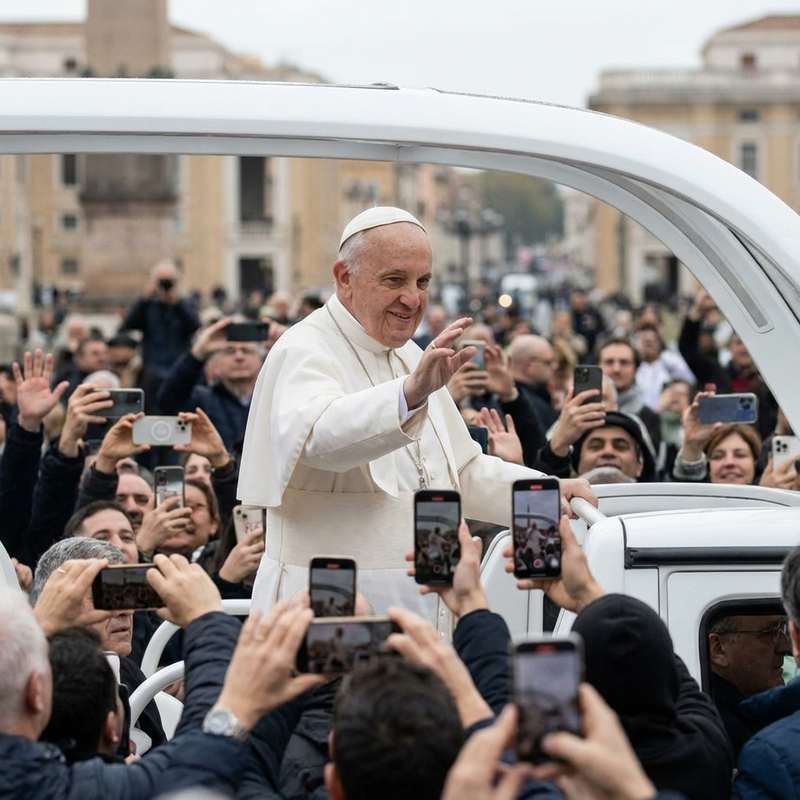
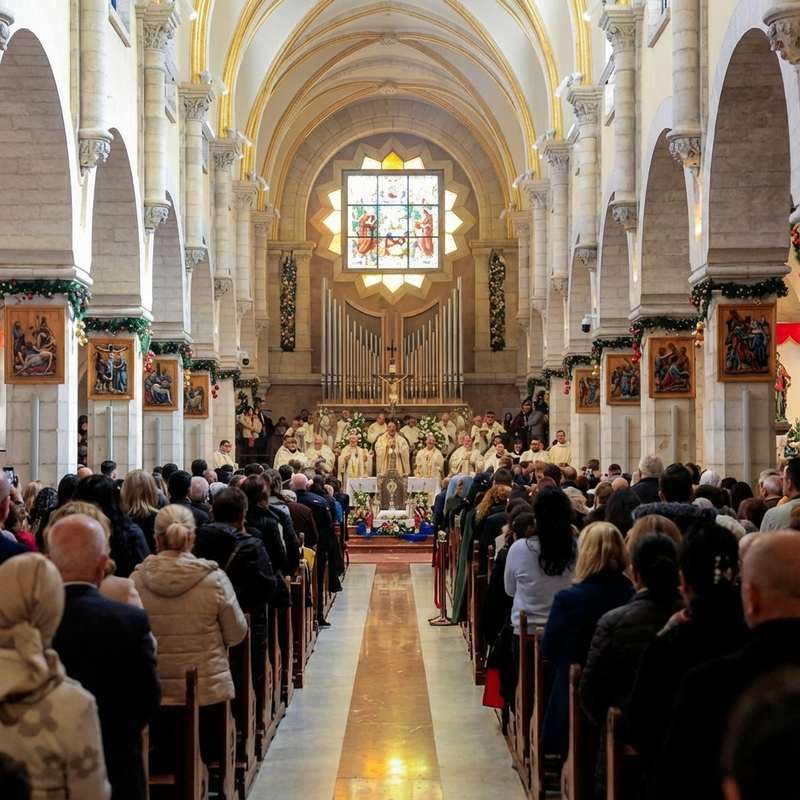
The global landscape is undergoing a multifaceted transformation. While hard power, defined by military and economic strength, continues to dominate international relations, the influence of soft power – the ability to persuade through culture, values, and institutions – is becoming increasingly relevant. In this context, the Vatican, as the central authority of the Catholic Church, navigates a complex geopolitical terrain. Pope Leo XIV's decision to revive the tradition of celebrating Christmas Mass in St. Peter's Basilica, a practice not observed since the pontificate of St. John Paul II, is more than a nostalgic return to the past; it is a calculated assertion of the Vatican's symbolic power in a world grappling with secularization and shifting alliances.
Historically, the Catholic Church wielded significant political influence across Europe and beyond. The rise of secularism and the nation-state system gradually eroded this direct political control. That said, the reality is a bit more complicated. the Vatican maintains a unique position as a non-state actor with immense cultural and moral authority, reaching a global audience through its network of dioceses, religious orders, and educational institutions. The Pope, as the head of this institution, functions as a spiritual leader, a diplomat, and a symbolic figurehead, capable of influencing public opinion and shaping international discourse.
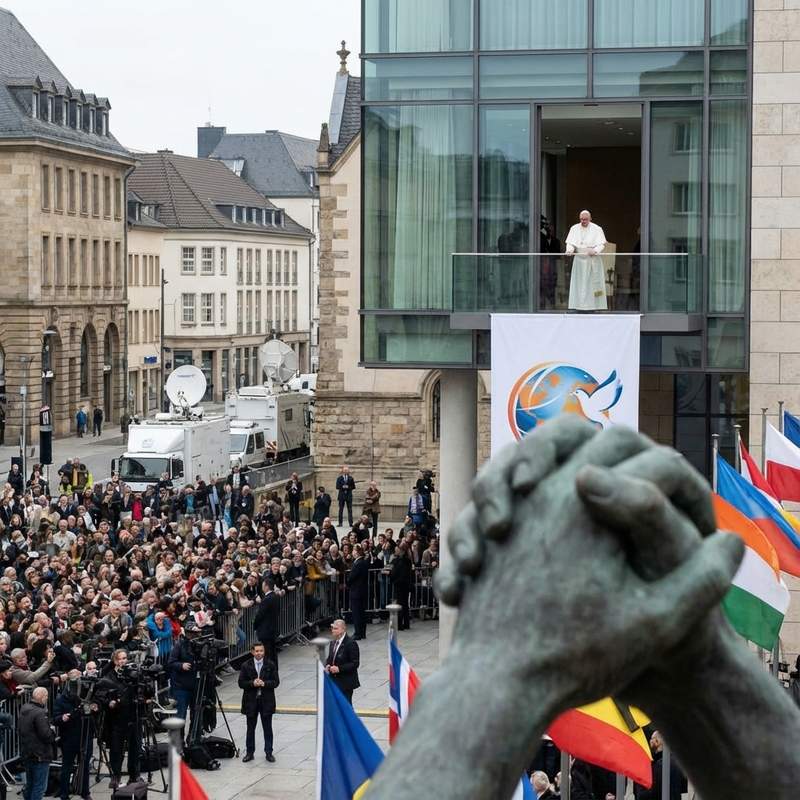
Leo XIV's revival of the Christmas Mass tradition serves several strategic purposes. Firstly, it reaffirms the Vatican's commitment to its core religious traditions in an era where religious belief is increasingly challenged by secular ideologies. This reinforcement of tradition can galvanize the Catholic faithful, particularly in regions where the Church faces declining membership or social marginalization. Secondly, the highly visible celebration of Christmas Mass in St. Peter's Basilica provides a powerful visual symbol of the Church's global presence and its enduring appeal. The “urbi et orbi” blessing, delivered after the Mass, further amplifies this message, reaching a worldwide audience through media coverage and digital platforms. The strategic use of such events can bolster the Vatican's soft power, enabling it to exert influence on issues ranging from international development to human rights.
The choice to focus on a pro-life Nativity scene also carries significant weight. In an era marked by intense debates surrounding reproductive rights, the Vatican is using its platform to advocate for its position on the sanctity of life. The symbolic display of ribbons representing children saved from abortion, alongside messages from sick children, is designed to evoke empathy and reinforce the Church's moral stance. This stance, while potentially divisive, solidifies the Vatican's position on a key social issue and reinforces its identity as a defender of traditional values.
Furthermore, the timing of this revival is significant. The world faces an array of complex challenges, including geopolitical tensions, economic instability, and climate change. In this environment, many individuals and societies are searching for meaning and stability. The Vatican, through its moral pronouncements and its engagement in diplomatic initiatives, attempts to provide a sense of direction and purpose. Pope Leo XIV's message for the World Day of Peace, advocating for disarmament and a rejection of violence, reflects this broader effort to promote peace and reconciliation in a conflict-ridden world. While the Vatican's ability to directly influence geopolitical outcomes is limited, its moral authority can shape public opinion and contribute to the creation of a more peaceful and just global order. Understanding the Catholic Church's historical role in world affairs provides critical context.
That said, the reality is a bit more complicated. there are constraints on the Vatican's influence. Secularization continues to erode religious belief in many parts of the world, particularly in Europe and North America. The Church also faces internal challenges, including declining vocations and the ongoing fallout from past scandals. Moreover, the Vatican's ability to engage in effective diplomacy is often hampered by its limited resources and its status as a non-state actor. Despite these constraints, the Vatican remains a significant force in global affairs, leveraging its soft power to promote its values and pursue its strategic objectives. Exploring India's global position provides a contrasting perspective on power dynamics.
So where does that leave things? Pope Leo XIV's decision to revive the tradition of Christmas Mass in St. Peter's Basilica is a deliberate act of symbolic assertion. It reflects the Vatican's ongoing effort to navigate a complex geopolitical landscape and to maintain its relevance in a secularizing world. While the Vatican's influence is not without its limitations, its unique position as a moral and cultural authority allows it to play a significant role in shaping global discourse and promoting its vision of peace and justice. The impact of this revival remains to be seen, but it underscores the enduring power of tradition and symbolism in international relations. Delving into topic basics provides a foundation for understanding the Vatican's role.
Editor’s note: This article was independently written by the Scoopliner Editorial Team using publicly available information.