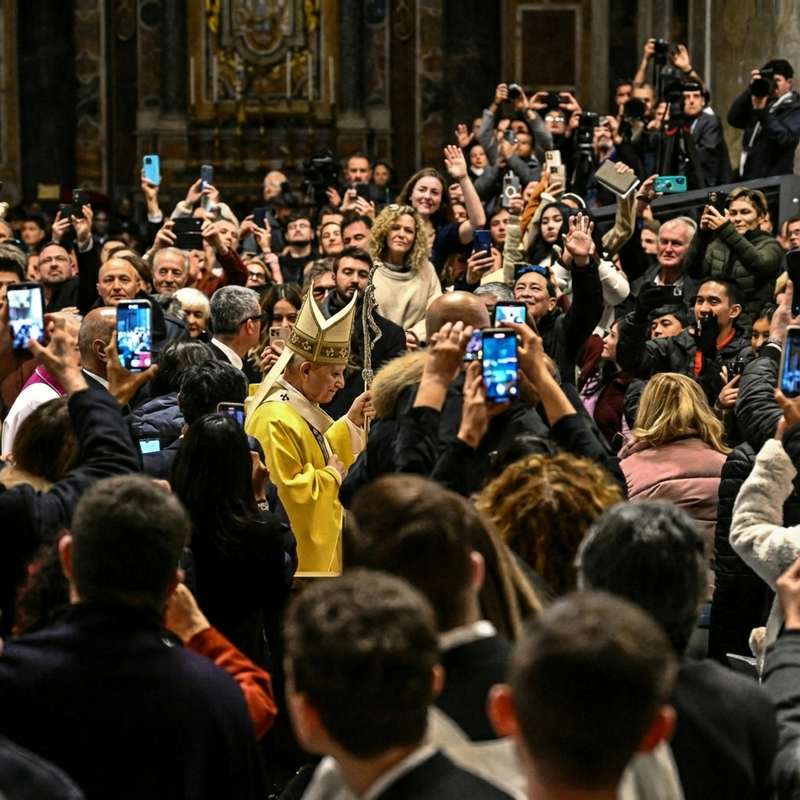
Pope's Christmas Message: A Critique of Globalized Economics Amidst Shifting Geopolitical Power
हिंदी में सुनें
Listen to this article in Hindi
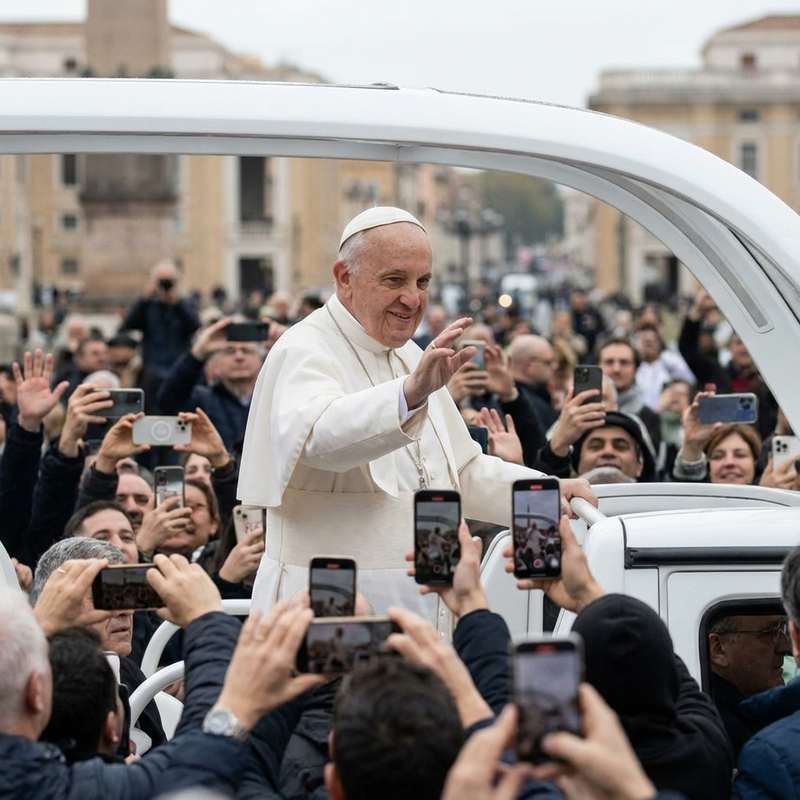
Pope Leo XIV's Christmas message signals a potential shift in the Vatican's approach to global economics and conflict, reflecting evolving geopolitical realities.
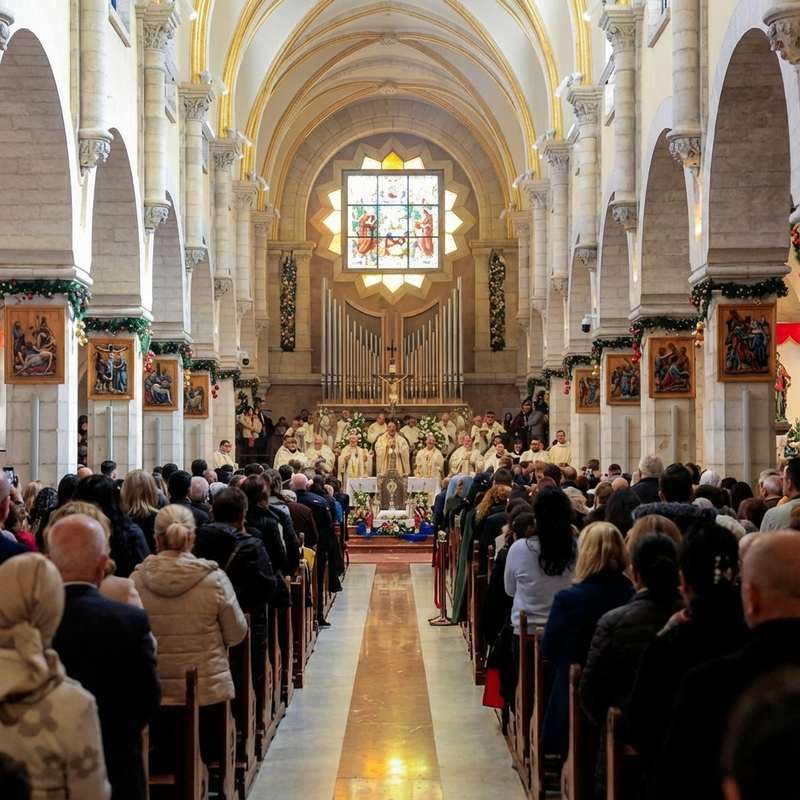
The resurgence of multipolarity in the international system challenges established economic and political norms, forcing institutions, including religious ones, to re-evaluate their positions. Pope Leo XIV's recent Christmas Eve message, while seemingly a traditional homily, subtly injected a critique of the globalized economy and alluded to ongoing military conflicts, signaling a potential recalibration of the Vatican's approach to these pressing issues. This matters now because the existing global economic order faces increasing scrutiny, particularly regarding its impact on inequality and social justice, potentially impacting world affairs.
Historically, the Catholic Church has navigated complex relationships with both secular powers and economic systems. While generally supporting free markets, the Church has also consistently advocated for ethical considerations, social safety nets, and the protection of vulnerable populations. The Pope's critique suggests a growing concern that the current form of globalization, with its emphasis on profit maximization and deregulation, may be exacerbating existing inequalities and contributing to social unrest, which are a risk to global security. This is especially relevant in regions experiencing economic hardship and political instability, where the Church's influence remains significant.
The Pope's comments on the treatment of human beings as "mere merchandise" within the globalized economy directly challenges the dominant neoliberal paradigm. This position aligns with growing criticism from various quarters, including economists, political scientists, and social activists, who argue that the pursuit of economic efficiency often comes at the expense of human dignity and social cohesion. This intersection of faith and economic critique could resonate with a broader audience disillusioned with the current system, potentially influencing policy debates and social movements. The Vatican's moral authority, especially in Latin America and parts of Africa, gives this critique added weight.
Furthermore, the indirect reference to global military conflicts underscores the Vatican's enduring commitment to peace and diplomacy. The Church has historically played a mediating role in international disputes, often leveraging its moral influence to promote dialogue and de-escalation. That said, the reality is a bit more complicated. the increasing complexity of contemporary conflicts, characterized by proxy wars, non-state actors, and ideological polarization, presents new challenges to traditional diplomatic approaches. The Pope's message suggests a recognition of these challenges and a renewed call for ethical considerations in the pursuit of peace. It’s important to consider India’s global position, as it continues to navigate its role in a rapidly changing world order, seeking a balance between economic growth and social equity.
The strategic implications of the Pope's message are multifaceted. Firstly, it could encourage a greater emphasis on ethical considerations within international economic institutions and policy frameworks. Secondly, it could strengthen the hand of civil society organizations and social movements advocating for greater social justice and economic equality. Finally, it could contribute to a broader re-evaluation of the existing global order, prompting discussions about alternative models of development and governance. This is especially relevant in the context of rising geopolitical tensions and the erosion of trust in multilateral institutions. You can review world affairs background to better understand this.
That said, the reality is a bit more complicated. constraints exist. The Vatican's influence is not unlimited, and its ability to shape global economic and political outcomes is subject to various factors, including the political will of national governments, the influence of powerful economic actors, and the dynamics of international relations. Additionally, internal divisions within the Catholic Church itself could limit the impact of the Pope's message. The church will have to manage this as it moves forward.
Ultimately, Pope Leo XIV's Christmas message, while delivered in a traditional setting, reflects a growing awareness of the challenges and inequalities inherent in the current global order. It signals a potential shift in the Vatican's approach, emphasizing the need for ethical considerations and social justice in the pursuit of economic development and peace. While the impact of this message remains to be seen, it adds a significant voice to the ongoing debate about the future of globalization and its implications for humanity. Topic basics for readers are readily available and should be reviewed for a broader understanding.
Editor’s note: This article was independently written by the Scoopliner Editorial Team using publicly available information.