The Vatican's Shifting Economic Critique: A Challenge to Global Capitalism?
हिंदी में सुनें
Listen to this article in Hindi
Pope Leo XIV's criticism of a 'distorted economy' signals a potential shift in the Vatican's approach to global capitalism, impacting international discourse.
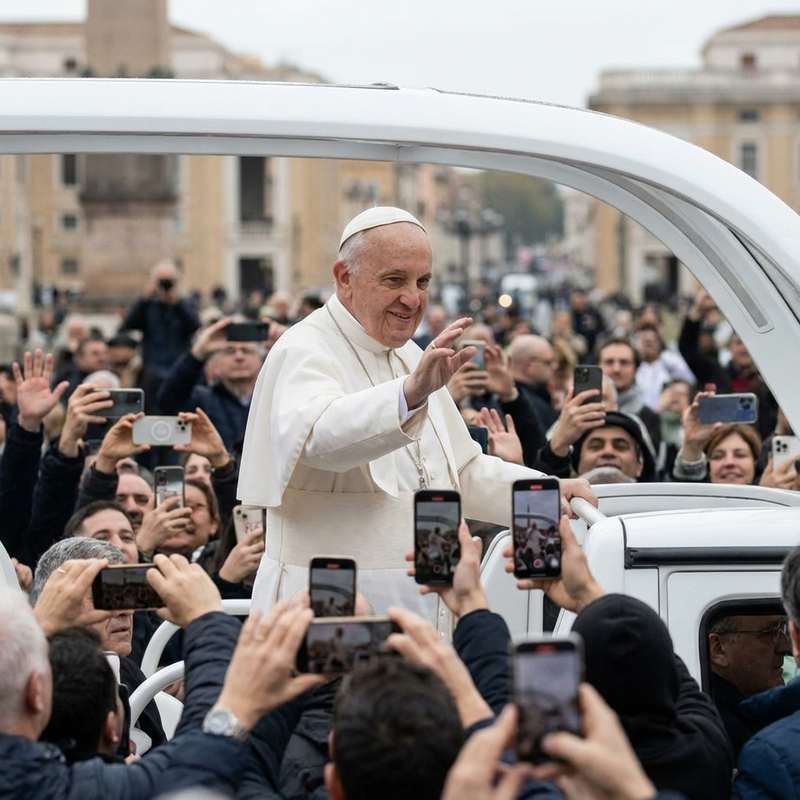
The election of Pope Leo XIV and his subsequent critique of a 'distorted economy' during his first Christmas Mass signals a potential inflection point in the Vatican's relationship with global capitalism. While papal pronouncements on social justice and economic inequality are not new, the timing and context of this particular critique – delivered amidst ongoing global economic anxieties and geopolitical instability – amplify its significance. The statement reflects a growing global unease about economic systems, touching on the core issues of wealth distribution and the perceived commodification of human beings.
Historically, the Catholic Church has navigated a complex relationship with capitalism, sometimes offering staunch critiques of its excesses while at other times aligning with market-based systems. Pope John Paul II, for example, emphasized the importance of free markets while also advocating for strong social safety nets and ethical considerations. This new critique, however, could represent a move towards a more direct challenge to the prevailing economic order, particularly if it is consistently echoed in future pronouncements and translated into concrete policy recommendations by the Vatican.
The power dynamics at play are multifaceted. The Vatican, as a moral authority with global reach, possesses considerable influence in shaping public opinion and influencing policy debates. Its pronouncements can resonate with a wide range of actors, from political leaders and economists to social activists and ordinary citizens. By highlighting the ethical dimensions of economic activity, the Pope's critique can embolden movements advocating for greater economic justice and sustainability. This influence, however, is also constrained by the Vatican's limited direct political power and the potential for its message to be selectively interpreted or dismissed by those with vested interests in the status quo. For example, right-leaning political movements may accuse the Pope of 'economic naivete' or 'left-wing bias', while liberal politicians could strategically align with the Pope's message to strengthen their existing agendas.
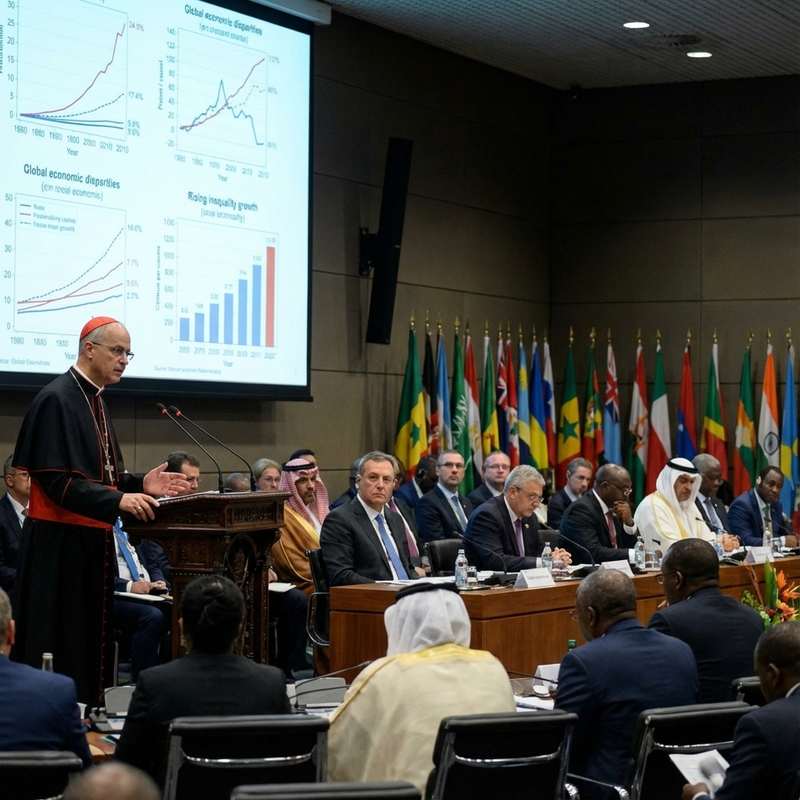
The policy implications of this critique could be far-reaching. At a global level, it could contribute to the ongoing debate about reforming international financial institutions and promoting more equitable trade policies. Within individual nations, it could strengthen support for progressive tax reforms, increased social spending, and regulations designed to curb corporate power. The Vatican's stance could also encourage greater scrutiny of multinational corporations and their impact on developing countries, pushing for greater corporate social responsibility and accountability. These are all aspects of world affairs background that shape the global system.
That said, the reality is a bit more complicated. there are also considerable uncertainties and constraints. The extent to which Pope Leo XIV will consistently prioritize economic justice as a central theme of his papacy remains to be seen. Internal divisions within the Catholic Church itself could also limit the impact of his message. Furthermore, the global economic landscape is constantly evolving, and the Vatican's ability to adapt its critique to changing circumstances will be crucial. The rise of economic nationalism and protectionism in some countries could also pose a challenge to the Pope's vision of a more just and equitable global economy.
The ripple effects of this critique extend beyond the immediate realm of economics. In regions grappling with poverty, conflict, and political instability, the Pope's message could provide a source of hope and inspiration, empowering local communities to demand greater accountability from their leaders and to advocate for more inclusive development policies. In countries like India, which are experiencing rapid economic growth but also facing significant challenges related to inequality and social exclusion, the Pope's critique could resonate with those who are questioning the social costs of unbridled capitalism. This is especially true given India’s global position and its growing influence in international forums.
Ultimately, the long-term impact of Pope Leo XIV's economic critique will depend on a complex interplay of factors, including the consistency of his message, the response of political and economic actors, and the broader evolution of the global economic landscape. While it is impossible to predict the future with certainty, it is clear that the Vatican's renewed focus on economic justice has the potential to reshape international discourse and contribute to a more equitable and sustainable world.
Editor’s note: This article was independently written by the Scoopliner Editorial Team using publicly available information.