The Vatican's Soft Power: Navigating Shifting Geopolitical Sands
हिंदी में सुनें
Listen to this article in Hindi
Pope Leo's focus on poverty and immigration highlights the Vatican's ongoing efforts to influence global discourse on humanitarian issues and international relations.
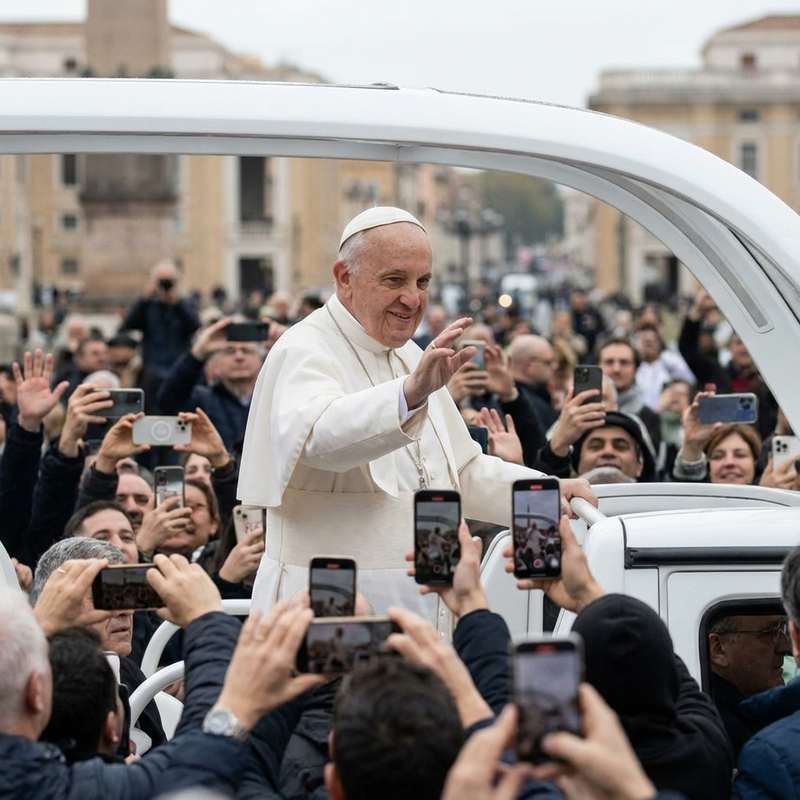
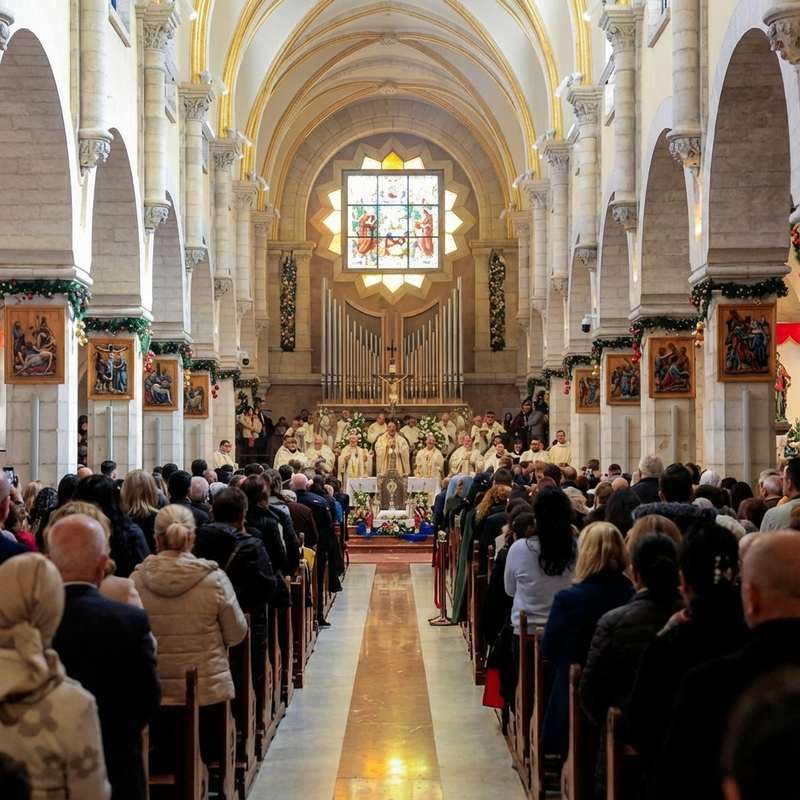
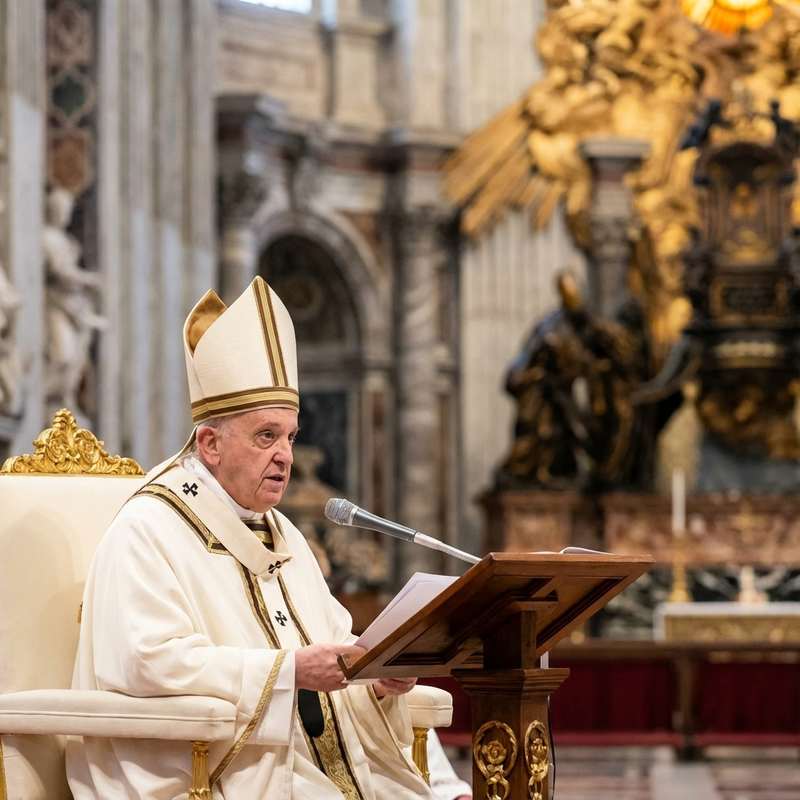
The geopolitical landscape is increasingly defined by complex challenges that transcend national borders: mass migration, economic inequality, and humanitarian crises. In this environment, the Vatican, under the leadership of Pope Leo, continues to wield significant soft power, leveraging its moral authority and global reach to influence international discourse and policy. While lacking traditional military or economic leverage, the Holy See’s enduring influence stems from its unique position as a spiritual leader to over a billion Catholics worldwide and its historical role as a mediator in international conflicts. Pope Leo’s recent Christmas message, emphasizing kindness to strangers and the poor, underscores this strategy, signaling a continuation of the Vatican's commitment to addressing pressing global issues.
The Vatican's focus on immigration and poverty isn't merely a matter of religious doctrine. It is a deliberate engagement with some of the most politically charged issues of our time. Migration, for instance, is a key factor in shaping national identities, labor markets, and security concerns across the globe. Pope Leo's implicit critique of anti-immigrant sentiment, echoing the teachings of his predecessors, positions the Vatican as a counterweight to nationalist trends and policies that prioritize border control over humanitarian considerations. This stance has implications for international cooperation, particularly within Europe, where debates over migration policy have fueled political divisions and strained relations between member states.
Furthermore, the Vatican's emphasis on economic inequality reflects a broader concern about the stability of the global economic system. The widening gap between rich and poor is a recognized driver of social unrest, political instability, and even violent conflict. By advocating for a more just and equitable distribution of resources, the Vatican is implicitly challenging the prevailing neoliberal economic model and calling for reforms that prioritize human dignity over pure economic growth. This message resonates particularly strongly in developing nations, where the legacy of colonialism and economic exploitation continues to fuel resentment and instability. Understanding the nuances of global wealth distribution is key to understanding the rise of certain forms of populism and anti-globalization sentiment.
The Vatican's ability to influence global affairs is not without its constraints. The Church faces internal challenges, including declining membership in some regions, financial scandals, and the ongoing crisis of sexual abuse. These issues weaken the Vatican's moral authority and create opportunities for its detractors to undermine its credibility. Additionally, the rise of secularism and alternative belief systems in many parts of the world diminishes the Church's influence, particularly among younger generations. The Vatican must therefore navigate a complex landscape, balancing its traditional role as a moral compass with the need to adapt to changing social and political realities. The legacy of previous popes, such as Pope Francis, provides a roadmap for how the Vatican can adapt its strategies for the 21st century.
Despite these challenges, the Vatican remains a significant actor on the world stage. Its diplomatic network, its charitable organizations, and its educational institutions provide it with unparalleled access to information and influence in virtually every country on Earth. Pope Leo's leadership, particularly his focus on immigration and poverty, suggests that the Vatican will continue to use its soft power to advocate for a more just and humane world order. While the impact of the Vatican's efforts may be difficult to quantify, its consistent voice on behalf of the marginalized and the vulnerable serves as a reminder of the moral dimensions of international relations. The ongoing tension between national sovereignty and global cooperation means that the Vatican's soft power capabilities are likely to remain a factor in international relations for the foreseeable future. Its relationship with India, for example, is a complex interplay of religious diplomacy and cultural exchange, highlighting the Vatican's global reach and its ability to navigate diverse geopolitical landscapes.
So where does that leave things? Pope Leo's Christmas message, though seemingly a simple call for kindness, is in reality a strategic deployment of the Vatican's soft power in a world grappling with complex and interconnected challenges. The Vatican's continued engagement with issues of immigration and poverty reflects its enduring commitment to shaping global discourse and advocating for a more just and equitable world. While facing internal and external constraints, the Vatican's unique position as a moral authority ensures that its voice will continue to be heard on the world stage, reminding leaders and citizens alike of the importance of human dignity and compassion in an increasingly polarized and uncertain world.
Editor’s note: This article was independently written by the Scoopliner Editorial Team using publicly available information.