"Piece Of S***": Sunil Gavaskar Takes Dig At Ashes Pitch As Cricket World Gets Divided
The second Ashes Test between Australia and England starts in Brisbane on December 4.
The second Ashes Test between Australia and England starts in Brisbane on December 4. The first Ashes Test of the 2025-26 series ended in just two days. The Perth Stadium pitch that hosted the first Ashes Test was rated on Thursday as "very good" by the International Cricket Council, despite the game finishing inside two days. Under the governing body's four-tier rating system, "very good" is the highest possible, characterising a pitch with "good carry, limited seam movement, and consistent bounce early in the match."
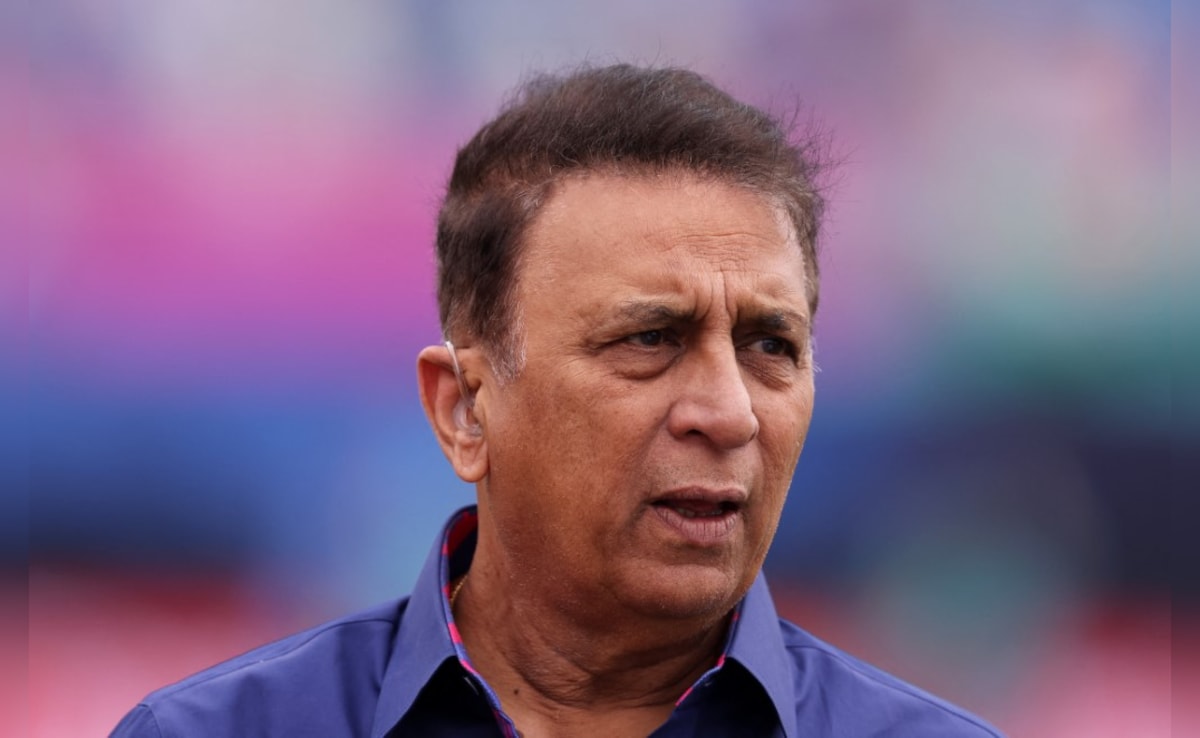
Former India captain Sunil Gavaskar took a swipe at the Ashes pitch, especially with Australia opener Usman Khawaja criticising the pitch.
"Ranjan Madugalle has been the chief match referee of the ICC referees panel for over two decades. The former stylish middle-order batter from Sri Lanka is always smiling and has a lovely, cheeky sense of humour. He is the first pick of the ICC for the big-ticket series and the finals of ICC events. He is fair and firm without being imposing or intimidating, and, having played cricket at the highest level, understands the pressures and psyche of cricketers. That is why he allows some things to go by that other referees may pull players up for. This, as well as his pleasant demeanour, makes him extremely popular with the players of just about every cricket team whose games he has officiated in. So, if he has rated the Perth pitch as very good, then not too many from the cricketing world would quibble with that," Gavaskar wrote in Sportstar.
"There's one person who differs with that rating and, unlike many of the incensed voices from the sub-continent who were not even there, he actually played in the match. Usman Khawaja called the pitch a 'piece of shit'. He explained that 19 wickets falling on day one and about 20 players getting hit says what the pitch was like. He also explained that watching Steve Smith, who he considers the best cricketer he's ever played with, miss the ball and get hit on the elbow made him call the wicket on day one colourfully. By the way, Smith didn't get hit on the front elbow but the back elbow, which explains the uneven and steep bounce of the pitch. Khawaja tempered his remarks by saying the pitch tends to play a bit better over the next couple of days. That still doesn't excuse the behaviour of the pitch on day one this time, as well as last year when India played, where 17 wickets fell on day one, too."
Gavaskar clearly highlighted the preferential treatment meted out to pitches in the sub-continent.
"Khawaja seems to have escaped censure from Cricket Australia, but if he doesn't score runs in the Gabba Test, it won't be a surprise if he is left out of the team. Australia now has another opener in Travis Head, whose unorthodox century delivered an easy win. Mind you, 13 wickets fell on day two also, but that century took away any chance of the pitch being rated 'shit' by anybody else. That century wasn't always with what you would call Test match strokes and was more like white-ball cricket shots, but hey, who is complaining? Not the old powers, for sure," Gavaskar added.
"Their narrative that a pitch with bounce and danger to life and limb is never bad, but that a pitch where the ball turns and keeps low is a disgrace, is sadly still believed even by the complexed ones in the sub-continent. They will rate a batter only if he scores tons on pacy, bouncy pitches, but if a batter from their part of the world doesn't get a century in the sub-continent, he will still be called great.
"So, for me, playing on a turning pitch requires more talent and footwork than playing pace. That is why, if you don't score runs on such surfaces, you are not a great batter. Since top-quality spin is seldom, if ever, seen in these countries and their pitches, the moment they see spin in the sub-continent, they get uncomfortable and question the quality of the pitch. That's typical, but unless you score in foreign conditions, how can a batter be called great?"