Parasites plagued Roman soldiers at Hadrian’s Wall
हिंदी में सुनें
Listen to this article in Hindi
New research reveals Roman soldiers stationed at Hadrian's Wall suffered from roundworms, whipworms, and Giardia, causing chronic health issues.
Life as a Roman soldier guarding Hadrian’s Wall in the third century CE was likely unpleasant. Beyond the wet and cold conditions described in W.H. Auden’s poem “Roman Wall Blues,” new research published in *Parasitology* suggests these soldiers also battled chronic nausea and diarrhea caused by parasitic infections.
Analyzing ancient feces can reveal valuable insights, as shown by previous archaeological studies. For example, a 2022 analysis of soil samples from a 7th-century BCE villa near Jerusalem uncovered eggs from whipworm, beef/pork tapeworm, roundworm, and pinworm. This was the earliest evidence of roundworm and pinworm in ancient Israel.
In another study that same year, researchers at the Universities of Cambridge and British Columbia examined residue on a Roman ceramic pot from a 5th-century CE villa in Gerace, Sicily. They discovered eggs from intestinal parasitic worms, indicating the 1,500-year-old pot was probably used as a chamber pot.
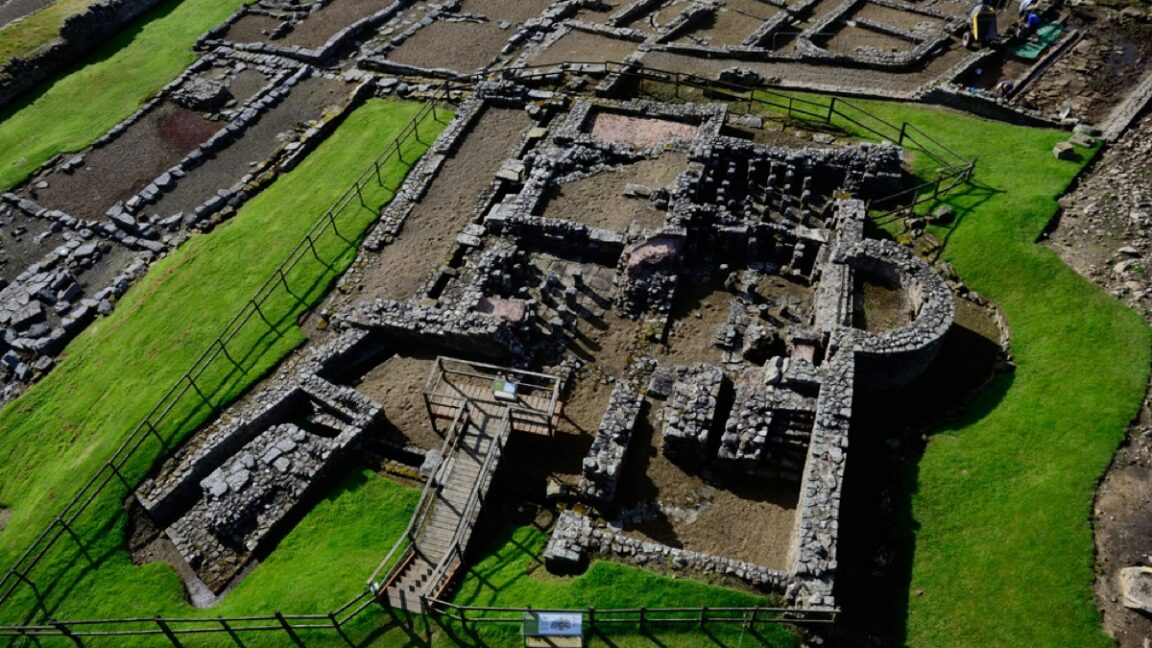
Other research comparing fecal parasites in hunter-gatherer and farming communities has highlighted dietary changes and shifts in settlement patterns linked to the rise of agriculture. This latest study focuses on sediment from sewer drains at the Roman fort of Vindolanda, located south of Hadrian’s Wall.
The ruins of Vindolanda were first documented in 1586 by William Camden. Over the next two centuries, the site attracted visitors who discovered a military bathhouse in 1702 and an altar in 1715. The fort's name, Vindolanda, was confirmed by another altar found in 1914. Formal archaeological excavations began in the 1930s. Vindolanda is renowned for the Vindolanda tablets, some of the oldest surviving handwritten documents in the UK, and the controversial 2023 discovery of a phallus-shaped artifact, debated as either a dildo or a drop spindle.
**Digging into Drains**
According to the researchers, most paleoparasitology studies in Roman Britain have focused on urban centers like London and York. Carlisle was previously the only site along Hadrian’s Wall where such research had been conducted. Vindolanda's excellent preservation makes it an ideal location to investigate the transmission of parasites and the resulting gastrointestinal diseases among Roman soldiers stationed on the northern frontier.
The team collected material in 2019 from the main drain that carried waste from the bathhouse latrine to the stream and valley to the north. They also excavated the remains of a 17th-century farmhouse and found sealed deposits from a previous third-century bathhouse drain. In total, they analyzed 58 sediment samples from these drains, along with one sample from a nearby fort ditch dating to around 90 CE.
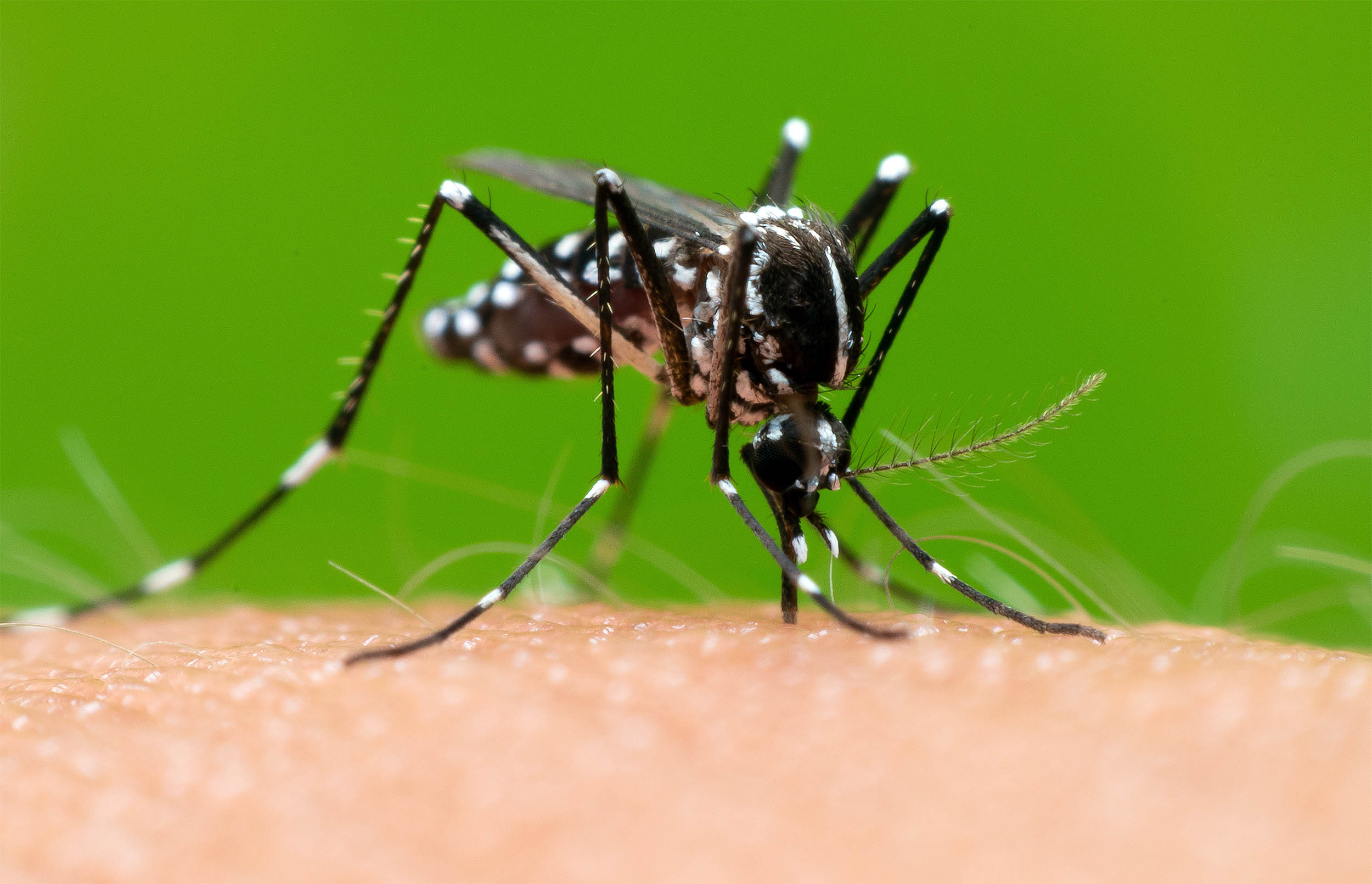
The analysis revealed that 28% of the samples contained eggs from roundworms or whipworms. These intestinal parasites typically spread due to poor sanitation, through contaminated food, drink, or hands. The first-century fort sample also contained roundworms and whipworms. Using a biomolecular method to detect proteins produced by single-cell organisms, the researchers found traces of *Giardia duodenalis*, a microscopic protozoan parasite. This suggests that Roman soldiers frequently suffered from diarrhea and malnutrition.
Even with communal latrines and a sewer system, parasitic transmission was not prevented. According to Marissa Ledger, a co-author from the University of Cambridge, Roman doctors had limited ability to treat parasitic infections or alleviate diarrhea. This meant that symptoms could persist and worsen, likely weakening soldiers and reducing their fitness for duty, as helminths alone can cause nausea, cramping, and diarrhea.
DOI: Parasitology, 2025. 10.1017/S0031182025101327