Akshaye Khanna's Standout Performance in Dhurandhar: A Casting Triumph
हिंदी में सुनें
Listen to this article in Hindi
Explore Akshaye Khanna's impactful performance in Dhurandhar and the complexities of casting in the contemporary Bollywood landscape.
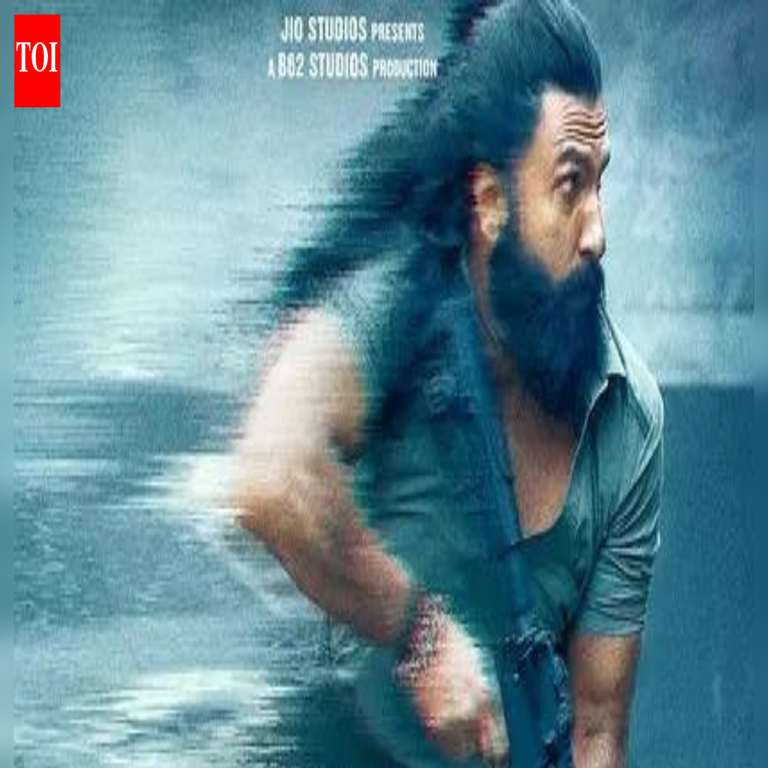
The recent release of Dhurandhar has put a spotlight on Akshaye Khanna's performance as Rehman Dakait, marking a significant moment in his career amidst Bollywood's evolving landscape. While Ranveer Singh is the film’s lead, Khanna's portrayal has garnered considerable attention, showcasing his ability to command the screen with a nuanced and menacing presence. This film not only emphasizes Khanna's talent but also highlights the intricacies of casting in the Indian film industry, particularly when working with established stars.
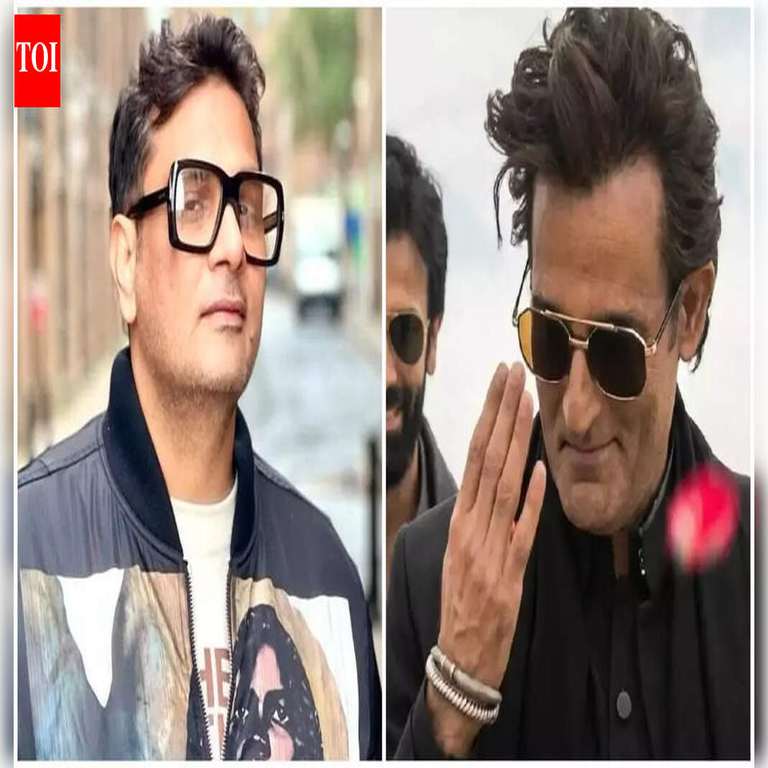
Casting director Mukesh Chhabra, who joined the project after Ranveer Singh was already secured, faced unique challenges. His comments reveal a critical insight into how the presence of a major star can limit further casting options. Chhabra's year-long casting endeavor illustrates the meticulous approach required in an industry where star power often dictates project dynamics. The difficulty of adding more prominent names once a leading star is onboard reflects a broader trend in Bollywood, where star-driven narratives often overshadow the potential contributions of other actors.
Chhabra’s ambition to cast Khanna, despite the actor's selective nature regarding roles, underscores a shift in how filmmakers are approaching talent. The initial skepticism from director Aditya Dhar towards Chhabra's casting choices speaks to a broader industry culture where experimentation is sometimes met with caution. Yet, Khanna’s eventual agreement to take on the role serves as a testament to the evolving landscape of Bollywood, where seasoned actors are increasingly willing to explore diverse narratives.
The casting of an actor like Khanna in a film led by a younger star like Singh reflects a generational shift within the industry. Khanna's ability to deliver a standout performance alongside younger actors speaks volumes about his versatility and the respect he commands in the industry. This dynamic not only enriches the film’s narrative but also signals a potential trend where established actors take on roles that challenge their previous work, thereby appealing to a more varied audience base.
Moreover, the conversations around Khanna's role serve as a reminder of the cultural relevance of storytelling in Indian cinema. With characters like Rehman Dakait, filmmakers are exploring themes of morality and complexity, moving away from one-dimensional portrayals often seen in mainstream narratives. This enriches the cinematic landscape, inviting audiences to engage with more intricate character studies.
Overall, Dhurandhar's casting dynamics and Khanna’s performance illustrate the evolving nature of Bollywood, where traditional casting paradigms are being challenged. As the industry continues to adapt to changing audience expectations, the blending of talents across generations may lead to richer storytelling and more engaging cinematic experiences for viewers. The implications of this casting approach could pave the way for future collaborations between seasoned actors and rising stars, ultimately reshaping the landscape of Indian cinema.
Editor's note: This article was independently written by the Scoopliner Editorial Team using publicly available information.